

Among the museums in Hoi An, the Sa Huynh Culture Museum is considered to possess the richest and most unique collection of prehistoric artifacts. With hundreds of items ranging from burial jars and jewelry to tools, it not only testifies to the vibrant existence of an ancient culture but also opens up important insights into the socio-economic interactions in Southeast Asia in the past.
Where is the Sa Huynh Culture Museum located? Information you need to know before visiting.
If you’re wondering “Where is the Sa Huynh Culture Museum?” and whether it’s worth a visit when exploring Hoi An, the answer is: it’s one of the most historically significant museums in the ancient town, especially for those who want to understand the origins of the ancient inhabitants of Central Vietnam.
Unlike other attractions focused on photo opportunities or architecture, the Sa Huynh Cultural Museum offers a more distinctly archaeological and historical experience. Conveniently, the museum is located right in the Old Quarter, making it easy to incorporate into your itinerary. If you’re planning in more detail, you can refer to the Must-Try Experiences in Hoi An 2026 to incorporate more fun activities.
Where is the Sa Huynh Culture Museum located?
The Sa Huynh Culture Museum is located at 149 Tran Phu Street, Minh An Ward, Hoi An City, Quang Nam Province. The museum is situated right in the heart of the old town and is just a few minutes’ walk from the Japanese Bridge.
The specific address of the Sa Huynh Culture Museum in Hoi An.
The museum’s full address is: 149 Tran Phu Street, Minh An Ward, Hoi An
This is one of the most famous and popular tourist routes in Hoi An Old Town. Because it’s located right in the center, finding your way is quite easy, even for first-time visitors to Hoi An.
Interestingly, from the outside, the museum isn’t as striking as many people think. The facade retains the traditional style of old houses, blending harmoniously with the surrounding old town. However, once inside, you’ll find a completely different space, deeply marked by ancient archaeology and history.

Figure 1. Sa Huynh Culture Museum
Directions from the Old Town
If you are in Hoi An Old Town, the most convenient way to get to the Sa Huynh Culture Museum is on foot.
From the Hoai River area or Hoi An market, simply follow Tran Phu street to reach your destination. This street is also lined with many ancient houses, assembly halls, and famous cafes, making for a pleasant walking experience.
If coming from outside the Old Quarter or from An Bang Beach, you can take a taxi or motorbike to parking areas near the center and then continue on foot. This coastal area is also famous for its many popular seafood restaurants in Hoi An, loved by many tourists.
Because the Old Quarter restricts motorized vehicles during many hours, walking is actually the most comfortable and suitable option.
Opening hours of the Sa Huynh Culture Museum
Typically, the Sa Huynh Culture Museum is open from approximately 7:30 AM to 5:00 PM each day.
However, actual visiting times may vary slightly depending on the time of year or holidays. Based on personal experience, morning is the best time to visit the museum because it’s quieter, there are fewer people, and it’s easier to appreciate the depth of the place.
If you go in the late afternoon or evening, the Old Town is usually more crowded, so the experience might not be as comfortable. If you go at the right time of year, you can also combine your trip with Da Nang International Fireworks Festival 2026 – DIFF 2026 to experience more of the festive atmosphere in Central Vietnam.
Distance from the Bridge Pagoda to the museum
One of the major advantages of the Sa Huynh Culture Museum is its location very close to famous landmarks in the old town. You can also consider other famous Hoi An attractions to combine your itinerary more conveniently. The Japanese Bridge is only about 200-300 meters from the museum, equivalent to a leisurely 3-5 minute walk.
From the Japanese Bridge to the museum is only about 200–300 meters, equivalent to about 3 to 5 minutes of leisurely walking.
This distance is close enough that you can easily combine sightseeing in one trip without spending much travel time. If you have more time, you can also combine it with your itinerary Cham Island to experience the natural beauty of the islands and beaches near Hoi An.
Many tourists often visit the Japanese Bridge first, then walk along Tran Phu Street to the museum. This is also the most beautiful and authentic route to the ancient town of Hoi An. If you have more time, you can also combine this with your itinerary Hoi An coconut village to experience the unique riverside atmosphere of this area. This is also the most beautiful route and the one that best captures the ancient town atmosphere in Hoi An.
Overall, the Sa Huynh Cultural Museum is not only conveniently located but also a worthwhile stop if you want to explore a deeper layer of Hoi An’s history. Although not as crowded as other popular check-in spots, its tranquility and archaeological value make it a truly unique experience during your exploration of the ancient town.
What makes the Sa Huynh Culture Museum special?
If you’re wondering “What’s special about the Sa Huynh Culture Museum?” and whether it’s worth a visit to Hoi An, the answer is: it’s one of the museums with the most profound archaeological and historical depth in the ancient town. Unlike other attractions focused on scenic views or photo opportunities, the Sa Huynh Culture Museum takes visitors back thousands of years to understand the origins of ancient inhabitants in Central Vietnam.
The museum’s uniqueness lies not in its large scale or modern design, but in its academic value, the originality of its artifacts, and its ability to help visitors see a “Hoi An before it was Hoi An.”
Overview of the Sa Huynh Culture Museum
The Sa Huynh Culture Museum houses hundreds of artifacts related to the Sa Huynh culture, one of the most prominent ancient cultures in Central Vietnam, dating back over 2000 years.
The museum space isn’t very large, but it’s arranged concisely and easy to navigate. From the moment you step inside, you’ll clearly feel the difference compared to many other museums in Hoi An. Instead of focusing on the life of the old town or the international trading port, it delves into the prehistoric and early historical periods, the stage when the first communities were formed in this area.
Many artifacts were unearthed directly in Hoi An and the surrounding area, making the museum not only valuable for display but also of great significance for archaeological research.
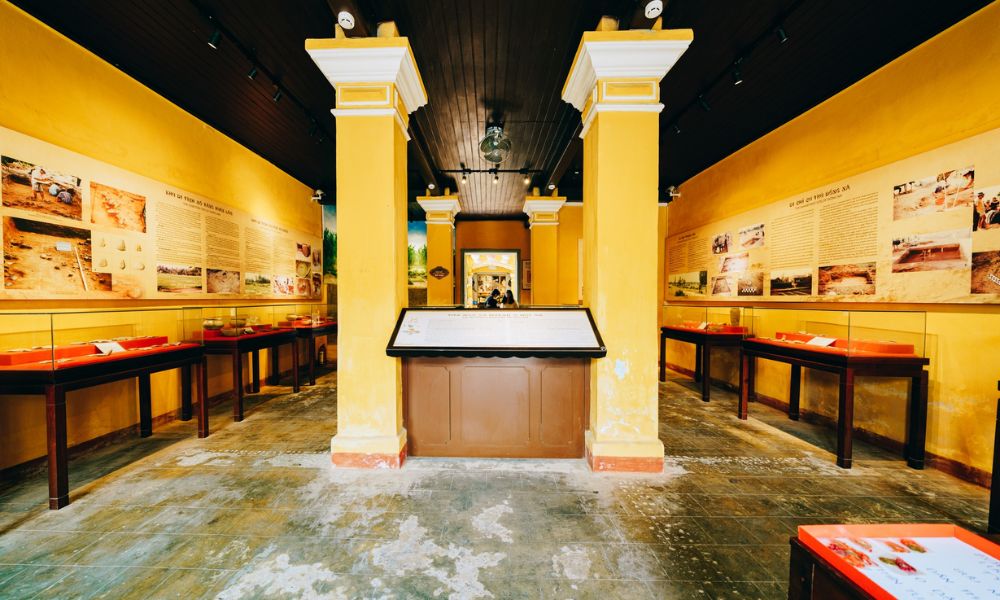
Figure 2. Overview of the Sa Huynh Culture Museum
The role of museums in preserving ancient culture.
The most important aspect of the Sa Huynh Culture Museum is its role in preserving ancient traces from before Hoi An became a famous trading port.
When people think of Hoi An, they often only think of the old town, lanterns, or centuries-old architecture. But in reality, this area has been inhabited for much longer than that.
The museum serves as a bridge connecting Hoi An’s deeper past with its present. Archaeological artifacts here reveal that the Sa Huynh people once had a relatively developed life, knew how to craft jewelry, use metal tools, and engaged in extensive cultural exchange.
Preserving these artifacts not only helps to safeguard local history but also makes a significant contribution to research on the development of culture in Central Vietnam.
Why does the Sa Huynh Culture Museum stand out in Hoi An?
Among the museums in Hoi An, the Sa Huynh Culture Museum stands out because it is one of the rare places that focuses almost entirely on archaeology and ancient culture.
This sets it apart from the museums dedicated to commerce or folklore in the old town.
One aspect that impresses many visitors is the sense of authenticity. The exhibits here are not replicas but mostly genuine artifacts unearthed over many years of archaeological research.
Furthermore, the museum helps visitors better understand that Hoi An not only has a history of a few hundred years, but also a long-standing cultural foundation spanning millennia.
For those who love history, archaeology, or want to delve deeper into the cultural origins of Central Vietnam, this is one of the most worthwhile attractions in the Old Quarter.
Archaeological and historical value of the museum
The greatest value of the Sa Huynh Culture Museum lies in its archaeological significance and historical depth.
The museum currently houses many valuable artifacts such as:
- Ancient burial jars
- Earrings with two animal heads
- Jewelry made of stones and glass
- Ancient tools
- Pottery and household items of the Sa Huynh people
In particular, the burial jars are a very distinctive feature of the Sa Huynh culture and have great research value in Southeast Asian archaeology.
These artifacts show that the inhabitants of Sa Huynh had a fairly developed crafting technique and had trade relations with many other regions from a very early period.
What surprises many people is that, despite having existed for thousands of years, many artifacts still retain their shape and patterns quite clearly. The experience of seeing them in person is completely different from viewing images online or in books.
Beyond its historical value, the museum also helps visitors understand that Hoi An is not a city that “appeared suddenly,” but rather the result of a long process of cultural development spanning many generations of its inhabitants.
It can be said that the Sa Huynh Cultural Museum is one of the rare places in the ancient town that offers an experience that is both academic and rich in cultural depth. This is not a tourist attraction for those who like to quickly visit and take photos, but rather suitable for those who truly want to understand the ancient history of Hoi An and the cultural origins of this land. This is also a trend that many tourists choose during their trip. Hoi An travel 2026 when prioritizing in-depth cultural experiences over mere check-in activities.
What is Sa Huynh culture?
If you’re wondering “What is Sa Huynh Culture?” and why the Sa Huynh Culture Museum is considered to have great historical value in Hoi An, it’s important to understand that Sa Huynh culture is one of the most important ancient cultures of Vietnam and Southeast Asia, existing thousands of years before Hoi An became a famous trading port.
Simply put, if Hoi An Old Town reflects the history of the last few hundred years, then the Sa Huynh culture is the much deeper “historical foundation” of this land. And that is what makes visiting the Sa Huynh Culture Museum more special than many other museums in the old town.
Introducing the Sa Huynh culture
The Sa Huynh culture was a thriving archaeological culture in central Vietnam, particularly in the Quang Ngai, Quang Nam, and coastal areas of central Vietnam.
The name “Sa Huynh” originates from the location where numerous archaeological relics belonging to this culture were first discovered in Sa Huynh, Quang Ngai province.
What makes the Sa Huynh culture stand out is its relatively high level of development compared to the period thousands of years ago. The Sa Huynh people knew how to smelt metal, craft exquisite jewelry, make pottery, and had a relatively developed community life.
Many researchers consider this to be one of the three major cultural centers of prehistoric and early historical Vietnam, alongside the Dong Son culture in the North and the Oc Eo culture in the South.
When did the Sa Huynh culture emerge?
According to archaeological studies, the Sa Huynh culture emerged around 1000 BC and flourished until about the 2nd century AD.
This means that this culture existed more than 2000 years ago, long before Hoi An became a famous international trading port in the 16th-17th centuries.
Archaeological findings reveal that the Sa Huynh people once lived extensively along the central coastal region, especially in areas near river mouths and the sea, conditions very favorable for trade and community development.
Interestingly, many artifacts from the Sa Huynh culture are still preserved quite intact at the Sa Huynh Culture Museum, allowing visitors to see firsthand the traces of an ancient civilization right in the heart of Hoi An ancient town.
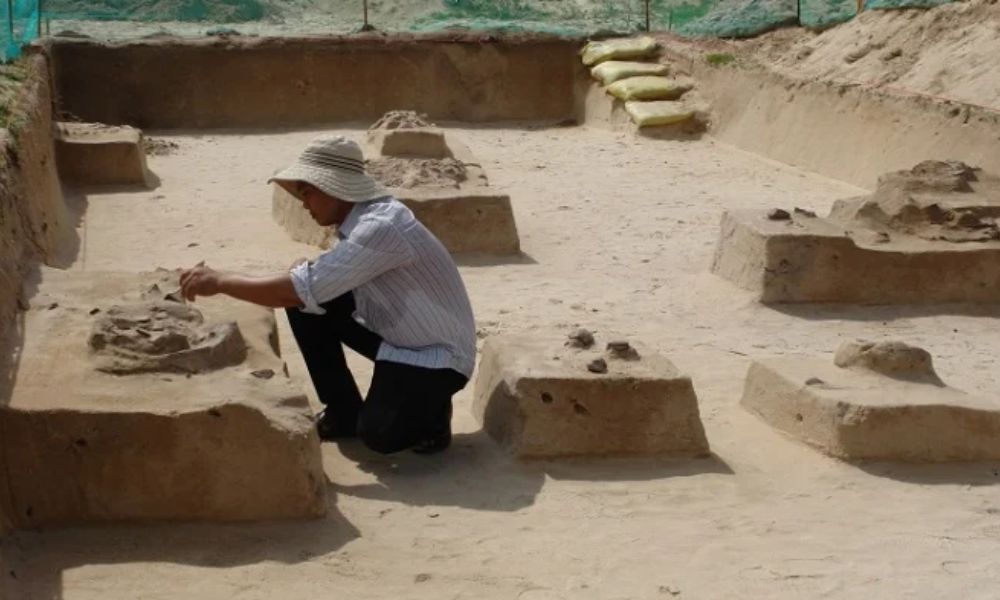
Figure 3. Excavation of the Sa Huynh Culture.
Outstanding characteristics of the Sa Huynh inhabitants
One of the things that researchers appreciate about the Sa Huynh people is their adaptability and relatively advanced level of craftsmanship compared to their time.
The Sa Huynh people mainly lived by:
- Agriculture
- Fishing
- Coastal trade
- Handcrafted
They are particularly renowned for their jewelry-making and pottery skills. Many artifacts, such as earrings with animal heads, glass bead necklaces, and agate jewelry, demonstrate highly sophisticated craftsmanship.
Another notable feature is the practice of burying the dead in large jars, also known as “jar tombs.” This is considered a very distinctive hallmark of the Sa Huynh culture and is also one of the most important artifacts at the Sa Huynh Culture Museum.
Archaeological artifacts reveal that the Sa Huynh people were not an isolated community but engaged in cultural exchange and trade with many other regions in Southeast Asia. Many of those cultural values are still preserved and clearly demonstrated through the traditional craft villages in Hoi An today.
The connection between Sa Huynh culture and Hoi An trading port.
This is a very interesting part, but many tourists are often unaware of it.
Although the Sa Huynh culture predates the Hoi An trading port by thousands of years, many researchers believe that this ancient community laid the first foundation for the formation of a coastal trade network in the central region of Vietnam.
In other words, before the bustling Hoi An teemed with Japanese and Chinese merchants, this area already had coastal communities capable of exchanging goods and engaging in cultural exchange from a very early period.
This explains why Hoi An was able to develop rapidly into an important international trading port later on.
When visiting the Sa Huynh Culture Museum, you will understand that the history of Hoi An does not begin with the present-day old town, but has a deep and long history spanning many different cultural layers.
Why is the Sa Huynh culture important in Vietnamese history?
The Sa Huynh culture plays a very important role in studying the history and origins of ancient inhabitants in central Vietnam.
This culture helps archaeologists:
- Gaining a better understanding of the lives of ancient coastal inhabitants.
- Studying the development of metallurgical and handicraft techniques.
- Explore the process of cultural exchange in prehistoric Southeast Asia.
Beyond its academic value, the Sa Huynh culture also reveals that Vietnam had relatively early communities with connections to the region dating back thousands of years.
This is also why many Sa Huynh artifacts are considered valuable archaeological heritage and are carefully preserved in museums.
For Hoi An specifically, the Sa Huynh culture is like the “historical roots” of this land. When you understand this ancient culture, you will feel that Hoi An is not just a beautiful old town, but a place with a cultural depth that has lasted for millennia.
It can be said that studying the Sa Huynh culture is the way to understand the deepest part of Hoi An’s history. And that is also why the Sa Huynh Culture Museum is always considered one of the museums with the most archaeological value and cultural depth in the ancient town today.
After exploring the Sa Huynh Cultural Museum and gaining a deeper understanding of the long-standing historical layers that shaped Hoi An as it is today, many tourists often continue their journey with an experience closer to modern life – the local cuisine. Located less than a 3-minute walk from the museums in the old town, Chau Kitchen & Bar is a convenient stopover point and is often mentioned as the best restaurant in Hoi An, highly rated by international tourists, thanks to its combination of quality food, local ingredients, and a culturally rich atmosphere.
Chau Kitchen & Bar pursues an Asian-European fusion restaurant model, where each dish is built upon a combination of modern cooking techniques and high-quality local ingredients. The restaurant prioritizes using fresh vegetables from Tra Que vegetable village daily, combined with seafood selected from Hoi An fishing villages, to maintain the freshness and natural flavor of each dish. A highlight of the menu is the Iron Beefsteak – a steak cooked on a hot cast iron skillet to preserve the tenderness, juiciness, and natural sweetness of the meat. In addition, diners can choose from a variety of Asian-European fusion dishes such as pasta, seafood, salads, and local dishes subtly adapted in a fusion style.
Chau’s space is housed in a more than 100-year-old traditional house, preserved with wooden architecture, yellow walls, and warm lighting that evokes the charm of Hoi An. Suitable for solo diners, couples, or large groups thanks to its spacious area, the restaurant also boasts many seating areas with street views when the lights come on, offering a romantic and emotionally rich experience. After exploring Hoi An’s millennia-old history, a dinner at Chau Kitchen & Bar will make your trip even more complete – where heritage is not only seen in museums, but also felt through the ambiance and cuisine.
- Address: 141 Tran Phu, Minh An Ward, Hoi An Ancient Town
- Phone: 0903529377
- Opening hours: 08:30 – 22:30
- Website: https://chaukitchenandbar.vn/en/homepage/
- Facebook: https://www.facebook.com/Chaukitchenhoian
- You can book a table directly through the website: Reservation
- Rating on Google Map: 4.8/5.0
- TripAdvisor Rating: 4.8/5.0

Figure 4. Chau Kitchen & Bar – the best restaurant in Hoi An, highly rated by international tourists.
What does the Sa Huynh Culture Museum display?
If you’re wondering “What’s inside the Sa Huynh Culture Museum?” and whether it’s really worth your time to visit when in Hoi An, the answer is: it’s one of the most archaeologically significant museums in the ancient town, housing hundreds of artifacts dating back thousands of years related to the ancient Sa Huynh people.
The unique aspect of the Sa Huynh Culture Museum lies not in its large scale or modern display, but in the feeling of “seeing with your own eyes” the authentic traces of an ancient culture that existed more than 2000 years ago. This is a very different experience compared to simply reading history in books or viewing images online.
Notable archaeological artifacts
Upon entering the main exhibition area, you will easily notice that the majority of the space is focused on archaeological artifacts unearthed in Hoi An and other areas of Central Vietnam.
Interestingly, the artifacts not only reflect the simple daily life but also reveal a relatively high level of development among the Sa Huynh inhabitants at that time.
Pottery
Pottery is a very common group of artifacts at the Sa Huynh Culture Museum.
It’s easy to recognize large earthenware jars, bowls, pots, and many other household items with quite distinctive designs.
Despite having existed for thousands of years, many items still retain their patterns and shapes quite clearly. When observed in person, the feeling is very different from the images in books because you can clearly see the traces of time on each artifact.
In particular, the large burial jars are what impress many visitors the most due to their size and high archaeological value.

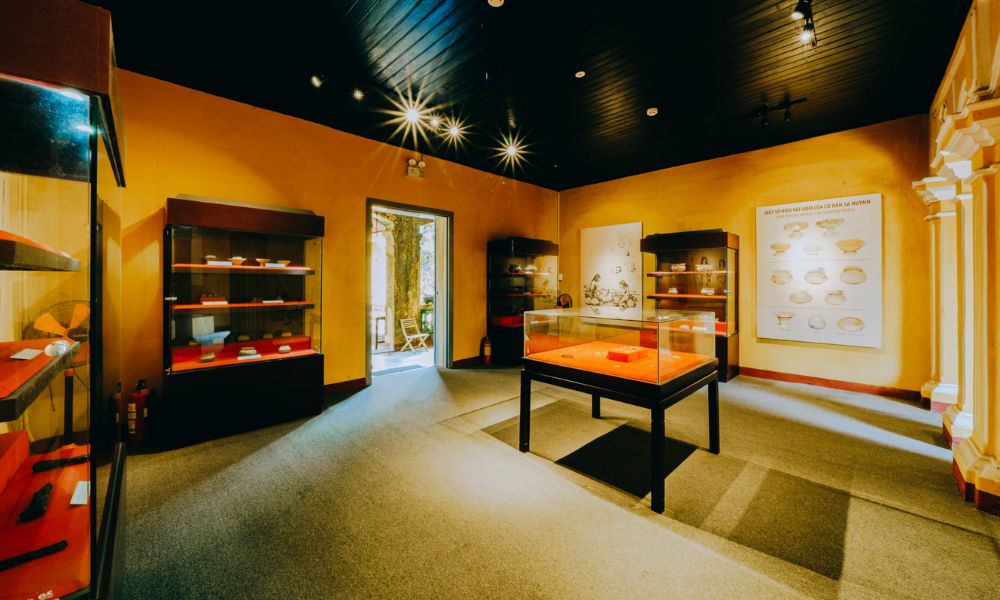
Figure 5. Pottery on display at the museum.
Antique jewelry
One of the things that archaeologists appreciate about the Sa Huynh people is their jewelry-making technique.
At the museum, you will see:
- Earrings with two animal heads
- Glass bead necklace
- Agate and gemstone jewelry
- Antique metal ornaments
Many artifacts feature quite sophisticated designs, showing that the Sa Huynh people not only knew how to craft handicrafts but also possessed an aesthetic sense and technical skills that were remarkably advanced for that period.
This also provides evidence that the Sa Huynh people once had trade relations with many other regions in Southeast Asia.
Household tools
In addition to pottery and jewelry, the museum also displays many ancient tools and implements used in daily life, such as:
- Stone axe
- Metal tools
- Fishing gear
- Everyday items
These artifacts help viewers better visualize how the people of Sa Huynh lived, worked, and adapted to the coastal environment of Central Vietnam.
Exhibition area showcasing the life of the Sa Huynh people.
Beyond focusing on artifacts, the Sa Huynh Culture Museum also recreates many aspects of the lives of ancient inhabitants.
This part provides a more “intimate” feeling instead of just looking at individual artifacts.
Lifestyle habits
Through the exhibits and information on display, visitors can learn more about:
- How the Sa Huynh people lived
- Production and fishing activities
- Community customs
- Connections with the sea and rivers
Interestingly, many elements of the coastal culture of Central Vietnam today still reflect traces of these ancient communities. This is also quite evident in Hoi An cuisine with many distinctive features that are still preserved today.
Burial culture
One of the most prominent features at the museum is the culture of burial jars.
The Sa Huynh people had the custom of burying the dead in large ceramic jars, along with burial goods such as jewelry, tools, or personal belongings.
This is considered a very unique characteristic of the Sa Huynh culture and has great archaeological value in the study of Southeast Asian history.
When viewing the actual burial jars in person, many people will better appreciate the depth of time these artifacts have endured.

Figure 6. Jar burial
Precious artifacts at the Sa Huynh Culture Museum
What makes the Sa Huynh Cultural Museum particularly valuable is that many of the artifacts displayed there are genuine ancient objects dating back thousands of years.
The artifacts are thousands of years old.
Many artifacts have been identified as dating from approximately 2000 to over 2500 years ago.
This makes the museum experience very different. You’re not just looking at antiques, but standing before the real remnants of a culture that existed long before the time of Hoi An’s old town.
Some artifacts have been preserved remarkably well despite having survived for millennia, showcasing the incredible archaeological value and craftsmanship of the people of that era.
Historical and archaeological value
The museum’s exhibition space isn’t very large, but its academic value is very high.
The artifacts here help researchers:
- Learn about the origins of the ancient inhabitants of Central Vietnam.
- Research on prehistoric cultural exchange
- Gaining a better understanding of the formation process of coastal communities in Vietnam.
For visitors, perhaps the greatest value lies in the feeling of being directly connected to a very distant part of Hoi An’s history.
The interior architectural space of the museum
In addition to the artifacts themselves, the museum’s space also contributes to creating a very unique experience.
Display design
The interior areas are arranged quite simply but are easy to follow. The exhibits are divided into thematic groups so that viewers are not confused or overwhelmed with information.
The interior lighting is not too bright, creating a subdued atmosphere that suits the museum’s archaeological ambiance.
What I find interesting is that this place has retained its natural, “old-fashioned” feel instead of trying too hard to modernize.
Experience a real tour.
The experience at the Sa Huynh Cultural Museum is quite different from the crowded attractions in the Old Quarter.
The space is quiet, not noisy, and usually not too crowded. This allows you to walk slowly, observe each artifact carefully, and better appreciate the depth of history.
Many visitors initially intended to stop by for only about 15 minutes but ended up staying longer because the content was quite captivating, especially for those interested in history or archaeology.
The most valuable aspect lies not in the number of artifacts, but in the realization that Hoi An is not just a few hundred years old, but also possesses a layer of ancient culture that has existed for thousands of years.
It can be said that the Sa Huynh Cultural Museum is where visitors can best see the depth of Hoi An’s history through authentic archaeological artifacts. This is not a destination for hurried tourism, but rather suitable for those who want to gain a deeper understanding of the cultural origins and long history of this land.
Sa Huynh Culture Museum latest ticket prices
If you’re looking for information on “How much does it cost to visit the Sa Huynh Cultural Museum?” and whether you need to buy a separate ticket, the short answer is: most visitors won’t need to buy a separate ticket because the Sa Huynh Cultural Museum is usually included in the Hoi An Ancient Town entrance ticket system.
This is also why many people rate this museum as having a high “value for money” ratio. With just one ticket to visit the Old Quarter, you can access one of the most important archaeological sites in Central Vietnam.
Entrance fee to Sa Huynh Culture Museum
Currently, visitors typically do not purchase separate tickets for the Sa Huynh Cultural Museum as is common practice. Instead, the museum is included in the Hoi An Ancient Town tour ticket.
Current reference price:
- Vietnamese tourists pay approximately 80,000 VND per person.
- International tourists pay approximately 120,000 VND per person.
With this ticket, visitors can choose to visit 3 points in the Old Quarter, including prominent old houses, assembly halls, and museums such as:
- Sa Huynh Culture Museum
- Hoi An Museum of History and Culture
- Trade Ceramics Museum
- The old houses in Hoi An
- Assembly halls in Hoi An
Considering the historical and archaeological value the museum offers, this ticket price is considered quite reasonable.
Does the Old Quarter ticket include museum access?
The answer is yes.
This is something many tourists don’t know when they first visit Hoi An. The entrance ticket to the ancient town doesn’t just cover entry to assembly halls or old houses, but also includes access to many important museums in the central area.
This means you won’t need to pay any extra fees if you want to visit the Sa Huynh Cultural Museum.
However, each ticket usually only applies to a certain number of attractions, so you should consider choosing the places that best suit your interests.
If you love history and archaeology, the Sa Huynh Culture Museum is definitely one of the places worth prioritizing.
Do I need to buy a separate ticket?
In most cases, you don’t need to buy a separate ticket for the museum.
Simply purchasing an entrance ticket to the Old Town allows you to visit the number of attractions specified on the ticket.
This is also the most convenient way because:
- Cost savings
- No need to buy multiple individual tickets.
- It’s easy to combine visits to multiple attractions in a single trip.
Based on real-life experiences, many tourists initially intended to visit quickly because it was “already included in the ticket,” but after their visit, they rated it as one of the most memorable culturally significant sites in Hoi An. After their exploration, many people also return to visit Official List of Hoi An Restaurant Michelin to continue experiencing the local culinary culture.
Ticket policy for children and international visitors
Currently, there is a price difference between entrance fees for Vietnamese and international tourists, with international tourists generally paying higher fees due to the policy for visiting Hoi An Ancient Town.
For children, fare policies may vary depending on age and time of year. Younger children are usually free, while older children may be eligible for discounted fares.
If you’re traveling with family, especially with children who love history or exploration, the Sa Huynh Culture Museum is quite interesting because the space isn’t too large, it’s easy to explore, and it has many visually appealing exhibits.
Furthermore, because the museum is located right in the heart of the old town, getting there is quite convenient and doesn’t tire young children or the elderly.
Overall, with its reasonable cost and inclusion in the Old Town entrance ticket, the Sa Huynh Cultural Museum is one of the most worthwhile attractions if you want to gain a deeper understanding of Hoi An’s ancient history. It’s not a quick check-in experience, but rather a place that makes your trip much more meaningful and memorable.
Experience visiting the Sa Huynh Culture Museum
If you’re planning a visit to the Sa Huynh Cultural Museum and want to know how to make the experience less tedious or rushed, the most important thing is to take your time, walk slowly, and observe carefully. This isn’t the kind of place you can check in for 5 minutes and leave; the more you read and look, the more you’ll appreciate the depth of Hoi An’s history.
In fact, many tourists initially visit simply because the museum is included in the Old Town tour package, but after their visit, they consider it one of the places that helps them understand Hoi An much better.
When is the best time to go?
Based on personal experience, the best time to visit the Sa Huynh Culture Museum is in the morning or early afternoon.
In the morning, the atmosphere in the old town is still quite quiet, with fewer tourists and a more pleasant temperature. This is also the time when you can focus on reading information and observing artifacts without too much surrounding noise. Afterwards, you can also combine it with exploring Hoi An beach to balance the experience between culture and nature.
Early afternoon is also a good option, especially on hot days in Hoi An. Instead of going outside in the crowded old town, the space inside the museum will feel much cooler and more pleasant.
If possible, avoid visiting in the late afternoon or close to closing time, as you’ll likely be in a rush and won’t be able to fully appreciate the value of the exhibits.
Ideal time to visit
Many people think that a small museum only needs about 10 minutes, but the actual experience will be different if you really want to understand Sa Huynh culture.
The ideal time is usually around:
- 20–30 minutes for a basic tour.
- 45 minutes to 1 hour if you want to carefully read and examine the artifacts in detail.
Interestingly, the museum space isn’t very large but it’s quite captivating. Some artifacts may seem simple at first glance, but once you read about their age or how they were used, you’ll easily be drawn into the historical story behind them.
In my personal experience, going slowly is always more worthwhile than trying to see everything quickly in order to catch up on other sights.
Do you need a tour guide?
The answer is not mandatory, but it would be helpful if you genuinely enjoy history or archaeology.
If you’re traveling independently, you can still understand quite a lot thanks to the information boards inside the museum. The content is presented relatively clearly and is easy to follow.
However, for those who want to understand more deeply about:
- Sa Huynh culture
- The significance of burial jars
- Exceptional archaeological artifacts
- The connection between the inhabitants of Sa Huynh and ancient Hoi An.
Having a guide or interpreter will make the experience much more enjoyable.
Many of the stories behind actual artifacts are not fully conveyed in the descriptions, so if you go on a tour or have a local guide, you will understand many more interesting details.
Things to note when visiting the Sa Huynh Culture Museum
The most important thing is not to go to museums with the mindset of “just to see what it’s like.” These are places suited for a slow, observant experience.
Here are some practical tips that can help make your visit more enjoyable:
- You should wear comfortable shoes because you will be doing quite a bit of walking in the old town before and after visiting the museum.
- The interior is quite quiet, so please refrain from speaking too loudly or disturbing others.
- Some artifacts are very old and of great archaeological value, so you should not touch the display area directly without permission.
- If you enjoy photography, take advantage of the natural light in the morning or early afternoon, as the interior space has a beautiful, classic, and tranquil atmosphere.
Furthermore, don’t just focus on the “prominent” artifacts. Sometimes, small items like beads, pottery, or household tools are what best reflect the life of the ancient Sa Huynh people.
Interestingly, many tourists, after visiting the museum, often see Hoi An from a completely different perspective. It’s no longer just a centuries-old town, but a land with a rich cultural heritage spanning thousands of years.
It’s safe to say that the experience at the Sa Huynh Cultural Museum will be much more worthwhile if you dedicate enough time and approach it with a genuine sense of discovery. While not a particularly popular attraction on social media, it’s a place that adds depth and makes your trip to Hoi An more memorable in its own unique way.
Sa Huynh Culture Museum – A place preserving traces of ancient Hoi An inhabitants.
Amidst a Hoi An renowned for its lanterns, ancient town, and colorful streets, the Sa Huynh Culture Museum offers a completely different experience. This isn’t a tourist attraction for a quick trip or just for taking a few photos; rather, it’s a place that allows visitors to delve into the deepest aspects of Hoi An’s history.
What makes the museum special is not its grandeur or modernity, but the original value of the artifacts that have existed for over 2000 years. Each burial jar, pottery item, or piece of ancient jewelry here is not simply an artifact on display, but a genuine trace of a community that lived, worked, and interacted culturally long before the ancient town of Hoi An was formed.
As you walk through each exhibition space, you’ll gradually realize that Hoi An’s history doesn’t just begin with centuries-old houses or a bustling international trading port. Before all that, a thriving ancient culture existed here, with a distinct community life and connections to many other regions in Southeast Asia. It is this historical depth that makes the museum experience so different from typical tourist attractions.
The Sa Huynh Culture Museum is particularly suitable for those who want to understand Hoi An in terms of its cultural and historical depth, rather than just seeing the superficial beauty of the ancient town. It’s a place for those who enjoy exploring, observing, and understanding why this region has been able to accumulate so many layers of culture over millennia. After exploring its history, many visitors also enjoy continuing their experience Hoi An food famous for getting a better feel for the local culture.
It could be said that while Hoi An Old Town showcases the beauty of the present, the Sa Huynh Cultural Museum helps you see the roots of the past. And sometimes, it is these tranquil places that make the trip most memorable after leaving Hoi An.

Post on: 16/05/2026 20:01


