


Besides the ancient golden houses and shimmering lanterns, Hoi An’s allure also stems from the intangible cultural values hidden within its traditional craft villages. Through centuries of historical ups and downs, the skillful hands of artisans have tirelessly kept alive the spirit of the earth, the wood, and the soft silk. From the rhythmic pounding of bronze casting pestles in Thanh Chiem to the humming of pottery wheels in Thanh Ha, or the fragrant aroma of vegetables in Tra Que, exploring Hoi An’s traditional craft villages is not just a simple sightseeing trip, but a return to the unique essence of handicrafts, contributing to the vibrant tapestry of heritage in Quang Nam province.
Hoi An’s traditional craft villages – A long-standing cultural feature of the ancient town.
When mentioning Hoi An, many people immediately think of its moss-covered ancient streets, shimmering lanterns, or quaint Chinese assembly halls. However, an important part of what makes this place unique is its traditional craft villages. These are not only places that produce handicrafts but also spaces that preserve traditional techniques passed down through generations. In addition, the system of assembly halls in Hoi An is also an important highlight reflecting the cultural exchange of the ancient trading port.
If you’re exploring Hoi An’s traditional craft villages, it’s important to know that these villages once played a crucial role in the trading activities of the Hoi An port. To this day, many of these crafts are still maintained, becoming attractive cultural attractions for tourists. These values continue to contribute to the village’s appeal Hoi An travel 2026 for travelers who love cultural experiences.

Figure 1. Traditional craft villages in Hoi An
An overview of Hoi An’s traditional craft villages.
Hoi An’s traditional craft villages are a collection of long-standing craft communities located around the ancient town. These villages were formed when Hoi An developed into an international trading port, around the 16th to 18th centuries.
Handicraft products from traditional villages not only serve local needs but are also traded with foreign merchants. As a result, many traditional techniques are preserved and developed over generations.
Today, when visiting Hoi An, tourists can easily find many famous traditional craft villages that are still in operation. These places serve as both traditional production spaces and unique cultural attractions. Many traditional craft villages are now also included in the list of famous Hoi An attractions that tourists should not miss.
The role of Hoi An’s traditional craft villages in the history of the trading port.
During the period when Hoi An was a bustling international trading port, traditional craft villages played a very important role in the local economy.
Handicrafts such as pottery, wood carvings, lanterns, and other art and craft items are produced in traditional craft villages and supplied for trade. Merchants from many countries, when visiting Hoi An, often seek to purchase these products to exchange in other markets.
Thanks to the development of traditional craft villages, Hoi An is not only a transit point for goods but also a center for producing valuable handicrafts.
Why have traditional craft villages in Hoi An been preserved to this day?
Despite numerous historical upheavals, many traditional craft villages in Hoi An have survived and continue to operate. This is not only due to production needs but also to the local community’s appreciation for their traditional craft heritage.
Many families in traditional craft villages still pass down their techniques to the next generation. These handicraft skills are learned through years of practice and are closely linked to the lives of the local people.
Furthermore, the development of tourism also plays a significant role in preserving traditional craft villages. Tourists visiting Hoi An often want to learn about the making of handicrafts, thereby creating additional income and motivation for locals to continue preserving their crafts.
The unique cultural and handicraft values of traditional craft villages.
The traditional craft villages of Hoi An not only possess economic value but also contain many unique cultural elements.
Each craft is associated with unique techniques passed down through generations. These techniques reflect the creativity, experience, and skill of the craftsman.
Furthermore, many handicrafts also reflect local cultural elements. The decorative patterns, product designs, and crafting techniques all demonstrate the intermingling of Vietnamese culture with other cultures that once traded with Hoi An.
These factors are what create the unique value of traditional craft villages within the cultural landscape of the old town.
Why tourists should explore Hoi An’s traditional craft villages.
For tourists, exploring Hoi An’s traditional craft villages offers a completely different experience compared to simply visiting the old town.
In craft villages, tourists have the opportunity to directly observe the process of creating handcrafted products. From preparing the raw materials to each stage of crafting, everything is done by hand with meticulousness and skill.
Moreover, many craft villages allow tourists to try their hand at making simple handicrafts. This experience makes the trip more lively and helps tourists better understand the local culture.
Therefore, if you want to explore the life and traditions of this heritage site in more depth, visiting the traditional craft villages of Hoi An is a very worthwhile experience when coming to the ancient town. You can also refer to more information Best Things to Do in Hoi An You Must Try in 2026 to plan a more complete exploration.
Why are Hoi An’s traditional craft villages so attractive to tourists?
Not only famous for its moss-covered ancient streets and shimmering lanterns at night, Hoi An also attracts tourists with its system of traditional craft villages that have existed for centuries. These villages are not simply places for handicraft production but also living cultural spaces where visitors can clearly see the process of creating handcrafted products and gain a better understanding of the lives of the local people.
While the Old Town evokes a sense of nostalgia for its architecture and history, the craft villages allow visitors to get closer to the rhythm of life and traditional labor skills of Hoi An. This combination of cultural experiences, history, and handicrafts makes the craft villages an attractive destination on any journey to explore this heritage site. Alongside this, you should also visit ancient houses in Hoi An to gain a better understanding of the architecture of the old trading port.
The centuries-old history of traditional craft villages
Many traditional craft villages in Hoi An have existed since the period when it was a thriving international trading port, from the 16th to the 18th centuries. At that time, Hoi An was an important trading center between Vietnam and merchants from China, Japan, and many other countries.
To meet the needs of trade, craft communities formed specialized villages producing goods for commerce and daily life. Over generations, crafting techniques were passed down from ancestors to descendants, helping many traditional crafts to survive to this day.
It is this historical depth that makes traditional craft villages an important part of Hoi An’s cultural heritage.
Artisans preserving traditional crafts
One key factor that has helped the traditional craft villages of Hoi An survive to this day is the dedication of the artisans who are still persistently preserving their crafts.
In many craft villages, artisans not only produce products but also act as mentors to future generations. They spend years learning techniques, accumulating experience, and perfecting their skills.
These artisans are the bridge between the past and the present, helping to maintain traditional values in modern life.
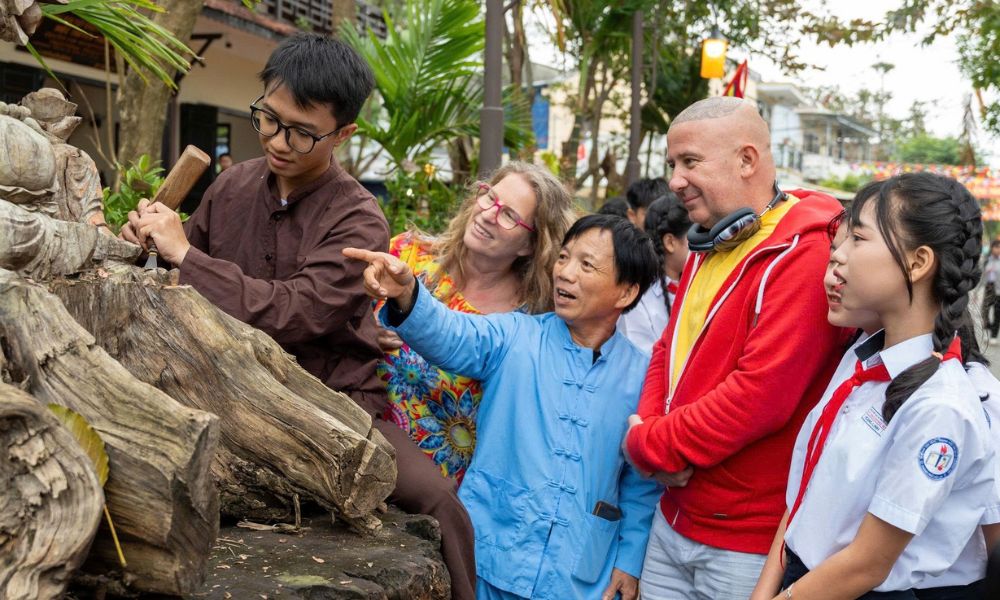
Figure 2. The carpentry craft of Kim Bong village.
Experience handicrafts at Hoi An Traditional Craft Village.
One of the reasons tourists love exploring craft villages is the opportunity to experience the handicrafts firsthand.
In many traditional craft villages in Hoi An, tourists can observe the entire production process from start to finish. Many places even allow visitors to try their hand at some simple steps under the guidance of skilled artisans.
Creating a small product with your own hands not only provides an enjoyable experience but also helps visitors better understand the meticulousness and skill required in handicrafts.
Cultural and tourism value of Hoi An’s traditional craft villages.
The traditional craft villages of Hoi An not only have economic value but also carry profound cultural significance.
Handicrafts created in traditional craft villages often reflect the unique local identity. The patterns, designs, and techniques reflect the cultural exchange between the communities that once lived and traded in Hoi An.
As a result, craft villages have become an important part of the cultural tourism experience, helping visitors better understand the life and traditions of this region.
The role of Hoi An’s traditional craft villages in sustainable tourism development.
In recent years, Hoi An’s traditional craft villages have also played an important role in the development of sustainable tourism.
Combining handicraft production and tourism provides local people with additional income while encouraging them to continue maintaining their traditional crafts.
This model not only contributes to the preservation of cultural values but also creates educational and meaningful tourism experiences. Tourists not only visit but also gain a better understanding of the labor process and traditional values preserved through generations.
Therefore, the traditional craft villages of Hoi An are increasingly becoming attractive destinations for those who want to explore the cultural depth of this heritage land.
List of the most famous traditional craft villages in Hoi An.
When mentioning Hoi An’s traditional craft villages, many tourists immediately think of the ancient handicraft production spaces scattered around the old town. These are not only places that create distinctive handicraft products, but also communities of traditional crafts that have existed for centuries.
Each craft village in Hoi An has its own unique historical story. Some are associated with pottery making for over 500 years, others preserve traditional wood carving techniques, while still others are linked to agriculture, fishing, or the long-standing craft of mat weaving. This diversity creates a rich cultural tapestry for the traditional craft villages of Hoi An.
Below are some of the prominent craft villages that tourists often choose to explore when they want to learn more about the life and handicraft techniques of this heritage region.
Thanh Ha Pottery Village – A traditional craft village in Hoi An, over 500 years old.
Among the traditional craft villages of Hoi An, Thanh Ha pottery village is often mentioned first. Located on the banks of the Thu Bon River, this village was established in the 16th century and was once a center for supplying pottery to the entire Quang Nam region.
What makes Thanh Ha special is not only its centuries-old history but also its entirely handcrafted pottery techniques. The potters still use traditional potters’ potters and ancient kiln firing methods, creating products with unique colors and shapes.
For tourists, Thanh Ha pottery village is one of the most interesting traditional craft villages in Hoi An to experience. Many visitors enjoy trying their hand at shaping a small cup or a simple souvenir under the guidance of local artisans.

Figure 3. Thanh Ha Pottery Village
Tra Que Vegetable Village – A traditional craft village associated with organic farming.
Unlike other craft villages, Tra Que vegetable village represents a different aspect of Hoi An’s traditional craft villages: agriculture.
This small village, nestled between the De Voong River and the Tra Que Lagoon, has long been famous for its traditionally grown herbs and spices. The locals use seaweed from the brackish lagoon as a natural fertilizer, giving Tra Que herbs and spices their distinctive flavor.
Today, Tra Que vegetable village has become a prominent experiential tourism destination. Visitors can participate in activities such as tilling the soil, planting vegetables, or harvesting with the locals. This is a very different experience compared to visiting the ancient town, helping visitors better understand agricultural life within the traditional craft village system of Hoi An.
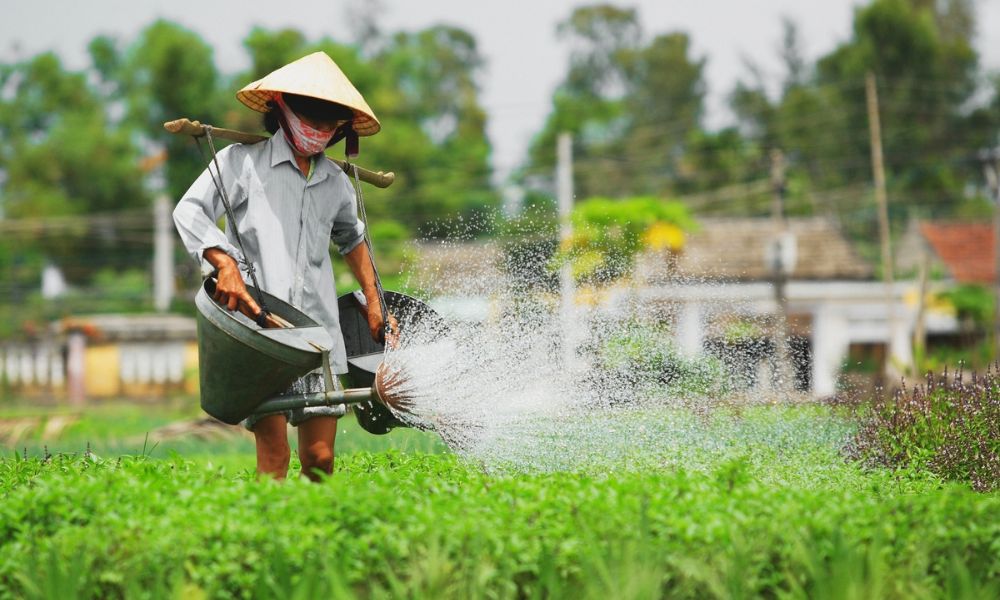
Figure 4. Tra Que Vegetable Village
Kim Bong Woodworking Village – A famous craft village specializing in wood carving.
Located across the Thu Bon River, Kim Bong carpentry village has long been known as a famous carpentry center in Central Vietnam.
During the flourishing period of Hoi An’s trading port, artisans from Kim Bong participated in the construction of many important structures such as ancient houses, village communal houses, assembly halls, and merchant ships. Therefore, the Kim Bong carpentry village played a very important role in the architectural history of the ancient town.
Today, when visiting the traditional craft villages of Hoi An, tourists can still see artisans carving wood, crafting handicrafts, or restoring ancient architectural details. This is a place that clearly demonstrates the skill and sophistication of traditional Vietnamese woodworking.
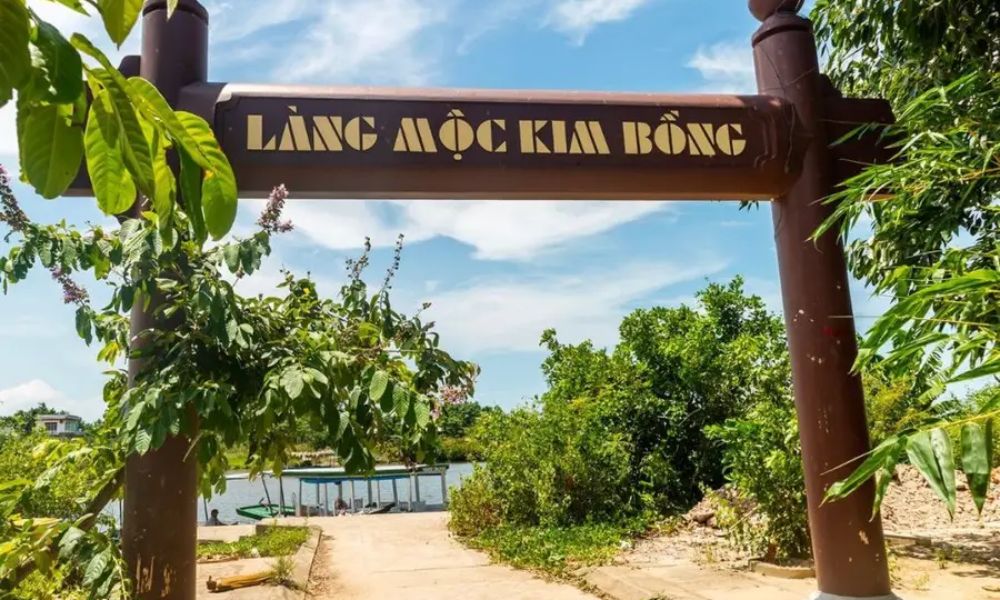
Figure 5. Kim Bong carpentry village
Hoi An Silk Village – A traditional craft village in Hoi An that recreates the ancient silk weaving craft.
Besides the long-standing craft villages, Hoi An Silk Village offers a different perspective on Hoi An’s traditional craft villages by recreating the silk reeling and weaving craft that flourished during the trading port era.
Here, visitors can learn about the entire process from silkworm farming and spinning to silk weaving. The space is designed as a “living museum,” recreating the traditional silk weaving craft that was once an important part of Hoi An’s trade.
The uniqueness of the silk village lies not only in its products but also in the educational and cultural experience it offers, helping visitors better understand the role of silk in history.
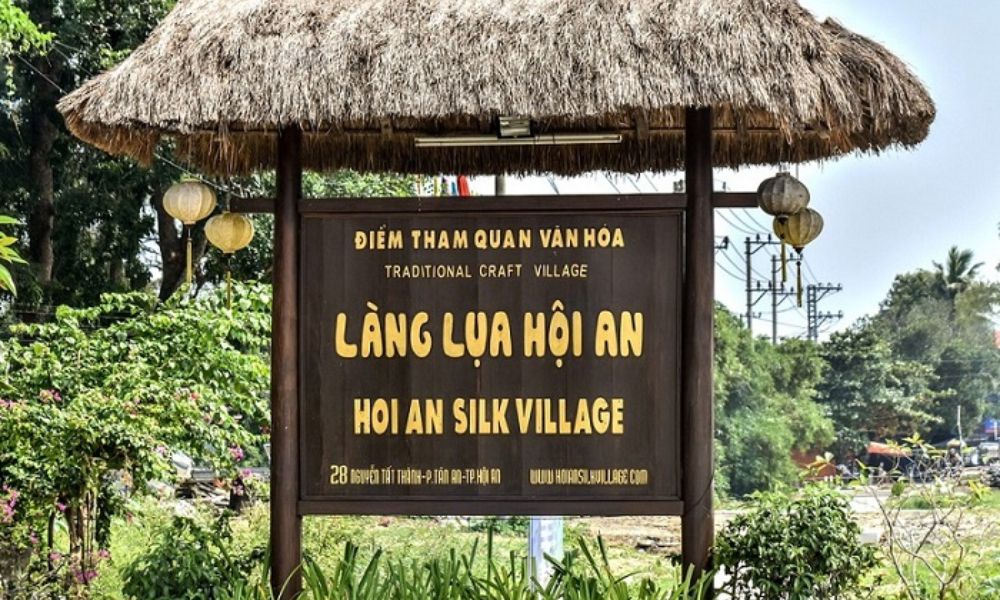
Figure 6. Hoi An Silk Village
Ban Thach Mat-Making Village – A little-known traditional craft village in Hoi An
Compared to other famous craft villages, Ban Thach mat-making village is less frequently mentioned, but it holds special cultural value within the system of traditional craft villages in Hoi An.
The people here have long been involved in the craft of weaving mats from sedge. The traditional mat-making process requires many manual steps, from preparing the raw materials and dyeing to weaving on a wooden loom.
Although industrial products are more common today, Ban Thach mat-making village still strives to maintain its traditional craft as a way to preserve the local cultural heritage.

Figure 7. Ban Thach mat-making village
Phuoc Kieu Bronze Casting Village – A long-standing traditional craft village in Hoi An
Phuoc Kieu bronze casting village is one of Hoi An’s traditional craft villages with a long history associated with traditional metallurgical techniques.
The craftsmen here are renowned for their ability to create exquisite bronze products such as temple bells, incense burners, bronze statues, and many other religious artifacts. Each product undergoes many complex stages, requiring techniques and experience accumulated over generations.
Thanks to this, Phuoc Kieu village is not only a place for handicraft production but also an important part of the traditional crafts of the Quang Nam region.

Figure 8. Phuoc Kieu bronze casting village
Hoi An Fishing Village – A cultural space of coastal fishermen
Besides handicraft and agricultural villages, the lives of coastal fishermen also create a unique aspect of Hoi An’s traditional craft villages.
The fishing villages around Hoi An clearly reflect the maritime culture of the people of Central Vietnam. Here, tourists can observe fishing activities, paddle in basket boats, or participate in experiences related to the lives of fishermen.

Figure 9. Hoi An fishing village
These experiences help visitors understand that the Hoi An Traditional Craft Village system is not limited to handicraft production but also includes traditional livelihood activities closely associated with rivers and the sea.
Each craft village possesses its own unique cultural character, contributing to the distinctive identity of Hoi An. Exploring Hoi An’s traditional craft villages not only helps tourists better understand the local history and life but also provides authentic experiences of traditional crafts that have existed for generations.
A fascinating experience exploring the traditional craft villages of Hoi An.
One of the reasons many tourists choose to explore Hoi An’s traditional craft villages is not only their historical or architectural value, but also the very practical and intimate experiences they offer. Instead of just sightseeing and taking photos, visitors have the opportunity to directly participate in the handicraft process alongside the local people. This is what sets it apart from many other tourist destinations.
When visiting the traditional craft villages of Hoi An, tourists can try their hand at pottery making, growing vegetables, observing artisans crafting handmade products, or chatting with craftsmen who have been involved in the trade for generations. These small but authentic experiences help tourists gain a deeper understanding of the labor culture and life of the people of Hoi An.
Try your hand at pottery making at the traditional craft village of Hoi An.
One of the most popular activities for tourists exploring Hoi An’s traditional craft villages is experiencing pottery making at Thanh Ha pottery village.
Here, visitors can sit at a traditional potter’s wheel, try their hand at kneading clay, and shape a simple pottery item under the guidance of local artisans. This seemingly simple process actually requires skill and a very keen sense of touch from the craftsman’s hands.
By creating a small product with their own hands, visitors will gain a better understanding of why traditional pottery has been able to survive for hundreds of years within the Hoi An Traditional Craft Village system.
Learn how to grow vegetables at Tra Que vegetable village.
If you want to experience a different aspect of local life, you can visit Tra Que Vegetable Village. This is one of Hoi An’s prominent traditional craft villages associated with agriculture.
Here, visitors can participate in activities such as tilling the soil, sowing seeds, watering, or harvesting vegetables with the farmers. These activities, though simple, are very enjoyable, especially for visitors from the city.
Experiencing farming at Tra Que vegetable village helps visitors better understand how the people of Hoi An have preserved traditional farming methods for generations.

Figure 10. Tourists experience vegetable farming at Tra Que vegetable village.
After experiencing traditional craft villages in Hoi An such as Thanh Ha or Tra Que, many tourists wish to continue their journey exploring local culture through cuisine – the place that best embodies the spirit of the land. Located right in the heart of the old town, Chau Kitchen & Bar is a popular stop for many diners and is known as the best restaurant in Hoi An, Highly rated by international tourists for its combination of ambiance and food quality.
Chau Kitchen & Bar operates as an Asian-European fusion restaurant, where dishes are not only prepared using modern techniques but also prioritize local ingredients. Fresh vegetables are sourced directly from Tra Que vegetable village, and seafood comes from fishing villages along the coast of Hoi An, ensuring freshness and preserving natural flavors. A highlight of the restaurant is Iron Beefsteak Hoi An – Beef steaks cooked on a hot cast-iron griddle help retain their juiciness and characteristic sweetness, offering a culinary experience that is both authentically European and uniquely creative. In addition, the menu is diverse with fusion Asian and European dishes such as pasta, seafood, salads, and local specialties elevated in presentation and flavor.
Located in a more than 100-year-old house, the restaurant retains the distinctive architecture of Hoi An with its yellow walls, wooden interior, and warm lantern lighting, creating a feeling that is both intimate and elegant. With its spacious area, Chau is suitable for solo diners, couples, and tour groups, and offers many seating options with street views when the lights come on, providing a romantic dining experience in the heart of the heritage site. After a day exploring the craft villages, enjoying dinner at Chau Kitchen & Bar is not just about eating, but also about fully connecting with the culture, ingredients, and culinary spirit of Hoi An.
- Address: 141 Tran Phu, Minh An Ward, Hoi An Ancient Town
- Phone: 0903529377
- Opening hours: 08:30 – 22:30
- Website: https://chaukitchenandbar.vn/en/homepage/
- Facebook: https://www.facebook.com/Chaukitchenhoian
- You can book a table directly through the website: Reservation
- Rating on Google Map: 4.8/5.0
- TripAdvisor Rating: 4.8/5.0
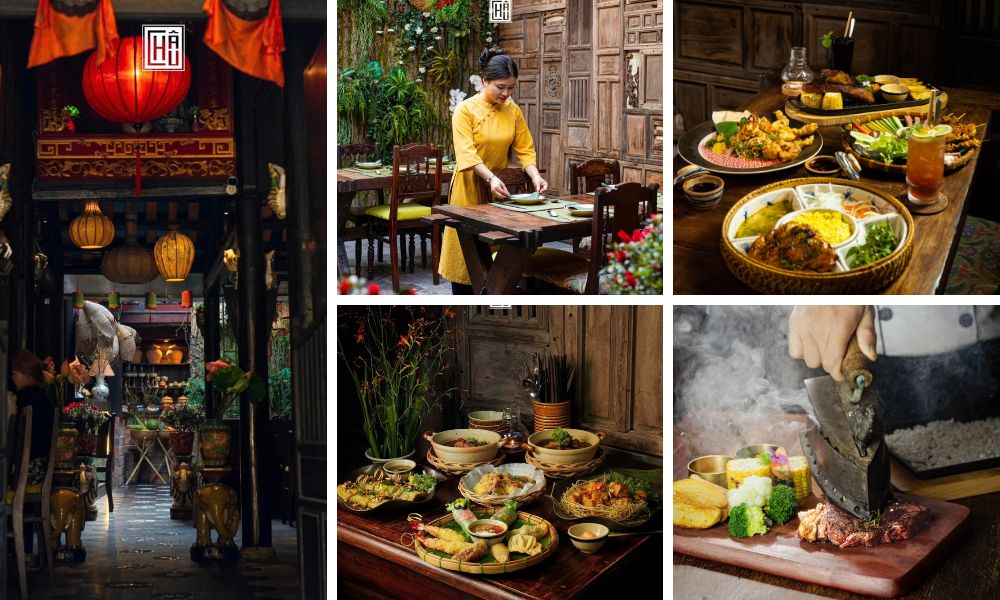
Figure 11. Chau Kitchen & Bar – the best restaurant in Hoi An, highly rated by international tourists.
Visiting Kim Bong carpentry workshop
Another noteworthy experience during your exploration of Hoi An’s traditional craft villages is visiting the carpentry workshops in Kim Bong village.
Upon entering the woodworking workshop, visitors can observe craftsmen carving wood, crafting furniture, or restoring ancient architectural details. The exquisite carvings on the wood showcase the skillful craftsmanship of the artisans here.
Seeing the crafting process firsthand helps visitors better understand the role of Kim Bong carpentry village in creating the architectural beauty of Hoi An ancient town.
Discover the life of an artisan.
A special feature of visiting Hoi An’s traditional craft villages is the opportunity to interact directly with local artisans.
Many artisans have been involved in the craft since a very young age and have dedicated their lives to perfecting their skills. When talking to them, visitors not only hear about the techniques of the craft but also hear stories about their family history, village traditions, and the changes in Hoi An over time.
These simple stories offer a very authentic glimpse into the cultural life of the traditional craft villages of Hoi An.
Buy souvenirs from Hoi An’s traditional craft villages.
An essential activity when visiting a craft village is choosing handcrafted souvenirs.
In Hoi An’s traditional craft villages, visitors can find many products made entirely by hand, such as pottery, carved wooden products, or other handcrafted items. These items not only possess aesthetic value but also contain the cultural stories behind their creation. In addition, visitors can enjoy the experience Hoi An cuisine is also a way to help you better understand the cultural life of the local people.
Buying products directly from the craft villages is also a way for tourists to contribute to supporting the local community and preserving traditional crafts.
It is these intimate experiences that make the journey to explore Hoi An’s traditional craft villages so special. More than just a sightseeing trip, it’s an opportunity for visitors to gain a deeper understanding of the lives, skills, and culture of the communities that have contributed to the unique identity of this heritage site.

Figure 12. Souvenirs that tourists can buy in Hoi An.
After your exploration, you can also refer to the following Official List of Hoi An Restaurant Michelin to choose a quality place to eat.
Experience visiting the traditional craft villages of Hoi An.
If you’re looking to fully explore Hoi An’s traditional craft villages without just skimming through them, preparing with some practical tips beforehand will make your trip much more meaningful. Unlike visiting the ancient town, trips to craft villages often require careful planning, time management, and a thorough understanding of each location’s characteristics.
Here are some important tips to help you make the most of your experience exploring the traditional craft villages of Hoi An.
Besides exploring Hoi An, many tourists also combine their itinerary with major regional events such as Da Nang International Fireworks Festival 2026 – DIFF 2026 to make the trip even more perfect.
The best time to explore Hoi An’s traditional craft villages.
The ideal time to visit Hoi An’s traditional craft villages is in the morning, from around 7:30 to 10:30. This is when the weather is still cool, the light is beautiful, and it’s also when the locals begin their workday, so you can best observe the handicraft production activities.
The afternoon, especially after 3 PM, is also a good option if you want to combine visiting craft villages with returning to the Old Quarter to watch the sunset or stroll through the night streets. However, some craft villages may reduce their activity towards the end of the day, so the experience won’t be as complete as in the morning. This time is ideal for visiting rooftop cafes in Hoi An and enjoy a panoramic view of the old town from above.
If visiting during the sunny season, avoid midday hours as temperatures can be quite high, especially when traveling between the traditional craft villages of Hoi An located outside the city center.
How to get to Hoi An Traditional Craft Villages
Hoi An’s traditional craft villages are usually located 2 to 5 km from the old town, making them quite convenient to get to.
If you enjoy a leisurely pace of life, cycling is a great option. Cycling through village roads, fields, or along rivers offers a very different feeling compared to navigating the old town.
Motorbikes are a more flexible mode of transportation, suitable if you want to visit multiple craft villages in the same day. Travel time between points is usually only 10 to 20 minutes.
Alternatively, you can combine walking and cyclo-rickshaw rides if you only want to visit craft villages near the city center, or choose a local tour with a guide to optimize your itinerary.
Suggested one-day itinerary
If you only have one day, you can absolutely experience 2 to 3 traditional craft villages in Hoi An without feeling rushed.
A popular itinerary is to start the morning at Thanh Ha pottery village to experience pottery making. Then, move on to Tra Que vegetable village to participate in agricultural activities and enjoy lunch with local dishes. This is also an opportunity to explore Hoi An food famous for being associated with local ingredients.
In the afternoon, you can visit Kim Bong carpentry village or another craft village depending on your preference. Afterwards, return to the old town to rest and continue exploring Hoi An in the evening. If you want a change of scenery, you can head to the beach and enjoy beach bars in Hoi An with a more vibrant atmosphere.
It’s important not to try to visit too many places in one day, as experiencing a traditional craft village requires time to observe, participate, and feel.
Things to note when visiting Hoi An Traditional Craft Villages
When visiting the traditional craft villages of Hoi An, there are a few small but important things that can make the trip more fulfilling.
You should bring comfortable, easy-to-move clothing as you will be participating in many activities such as walking, crafting, or farming. Simple, easy-to-clean shoes are also a good choice.
When entering production areas or people’s living spaces, maintain a respectful attitude and avoid disrupting their work. If you want to take photos, you should ask permission beforehand, especially when taking close-up shots of artisans.
Additionally, if possible, try buying some handicrafts directly from the craft village. This is not only a souvenir but also a way to support the local community in maintaining their traditional craft. After the trip, many tourists also choose to enjoy Hoi An seafood in nearby coastal areas.
Thorough preparation in these areas will help you not only “pass through” but truly understand and appreciate the value of Hoi An’s traditional craft villages during your exploration of the ancient town.
The role of Hoi An’s traditional craft villages in cultural preservation.
When it comes to Hoi An’s traditional craft villages, many people often think of the tourist experience or the beautiful handcrafted products. However, in reality, the greatest value of these villages lies in their role in preserving culture. They are places that retain the skills, lifestyles, and work ethic that have existed for generations, contributing to Hoi An’s unique identity.
Unlike static museums, Hoi An’s traditional craft villages are “living heritage,” where culture continues to be practiced every day. Therefore, the role of these villages in cultural preservation is not only symbolic but also has very clear practical significance.
Preserving traditional crafts
One of the most important roles of the Hoi An Traditional Craft Villages is to preserve and pass on traditional crafts.
Crafts such as pottery making, wood carving, bronze casting, or traditional vegetable farming all require techniques and experience accumulated over many years. These skills cannot be learned quickly in a short period of time but need to be passed down directly from one generation to the next.
Thanks to the existence of traditional craft villages, these handicraft techniques have not faded away in the face of modern industrial development. This is a crucial factor that helps Hoi An maintain its unique cultural depth compared to many other tourist destinations.
Preserving local cultural identity
Each traditional craft village in Hoi An is not only a place of production but also clearly reflects the lifestyle and culture of the local community.
From the way the village space is organized and its customs and daily life to the smallest details in its handicrafts, everything bears the imprint of a unique culture. For example, the patterns on wooden furniture, the colors of pottery, or the farming methods in the vegetable villages all reflect the intermingling of many cultures that once existed in Hoi An.
Preserving traditional craft villages means retaining these cultural values in modern life, helping Hoi An avoid being “homogenized” by the trend of mass tourism development.
Developing community tourism
In recent years, Hoi An’s traditional craft villages have become an important part of the community-based tourism model.
Instead of simply visiting architectural landmarks, tourists can directly participate in production activities and daily life with local people. This creates a highly interactive and more immersive tourism experience.
This model not only helps tourists better understand local culture but also creates opportunities for locals to directly participate in tourism activities, thereby raising awareness about preserving traditional crafts.
Economic value from traditional craft villages in Hoi An
Besides their cultural value, Hoi An’s traditional craft villages also make a significant contribution to the local economy.
Combining handicraft production with tourism helps create a stable source of income for the local people. Handicraft products are not only sold locally but also become souvenirs for domestic and international tourists.
More importantly, when traditional crafts generate economic value, people will be motivated to continue maintaining and developing them. This is a key factor in ensuring the sustainable survival of Hoi An’s traditional craft villages in the modern context.
Overall, the traditional craft villages of Hoi An are not only tourist destinations but also important foundations for preserving and promoting the cultural values of this heritage site. Maintaining these craft villages not only helps preserve valuable handicraft skills but also contributes to protecting cultural identity and creating sustainable livelihoods for the local community.
Hoi An Traditional Craft Villages – A Living Cultural Heritage of the Ancient Town
More than just tourist attractions, Hoi An’s traditional craft villages are clear evidence of the historical depth of this land, once a bustling international trading port. Each craft village tells a story spanning hundreds of years, preserving the handicraft techniques, living habits, and work ethic of generations of Hoi An residents.
In the overall tourism landscape, Hoi An’s traditional craft villages play a special role by offering more authentic and intimate experiences compared to simply visiting the old town. Here, visitors can directly participate in, observe, and understand how local culture is maintained in daily life.
The combination of historical value, culture, and experience has made Hoi An’s traditional craft villages an indispensable part of any exploration of the ancient town. If you want to understand Hoi An not only through its moss-covered roofs but also through the people and the crafts that created it, you should take the time to visit at least one craft village during your trip.

Post on: 17/03/2026 21:24


