

Established in 1995, the Hoi An Museum of Trade Ceramics currently houses over 400 ceramic artifacts dating from the 9th to the 19th centuries. It is an important site for researchers and visitors to better understand the international maritime trade network that once took place in Hoi An. This article will delve into exploring the unique collections and distinctive architectural value of this valuable exhibition space.
Where is the Museum of Trade Ceramics located? Information you need to know before visiting.
If you’re wondering “Where is the Museum of Trade Ceramics?” and whether it’s worth a visit when exploring Hoi An, the answer is: it’s one of the most historically significant trade museums in Hoi An’s old town, especially suitable for those who want to gain a deeper understanding of the bustling international trading port era of this region.
Unlike museums focused on archaeology or folklore, the Museum of Trade Ceramics concentrates on the story of maritime trade, cultural exchange, and Hoi An’s role in the Asian trade network centuries ago.
The convenient thing is that the museum is located right in the old town, making it easy to combine a visit with other famous attractions. You can find more information Famous tourist attractions in Hoi An to arrange the schedule more conveniently.

Figure 1. Museum of Trade Ceramics
Where is the Museum of Trade Ceramics located?
The Museum of Trade Ceramics is located at 80 Tran Phu Street, Minh An Ward, Hoi An City, Quang Nam Province. The museum is situated right in the heart of the old town and is just a few minutes’ walk from the Japanese Bridge.
The specific address of the Hoi An Museum of Trade Ceramics.
The museum’s full address is: 80 Tran Phu Street, Minh An Ward, Hoi An.
This is the most famous central street in Hoi An Old Town, home to many ancient houses, assembly halls, and important attractions. You can find out more about ancient houses in Hoi An to gain a better understanding of the traditional architecture of the old town.
Interestingly, the museum building itself also possesses very distinctive architectural value of Hoi An. The structure retains the traditional style of an old house with a wooden frame, tiled roof, and open space, creating a sense of harmony with the historical story within.
Many tourists passing by often don’t realize this is a museum because its exterior looks quite similar to other old houses in the neighborhood.
Directions from the Old Town
If you’re in the Old Quarter, the easiest way to get to the Museum of Trade Ceramics is on foot.
From the Hoi An market area or the Hoai River, simply follow Tran Phu Street to reach your destination. This is also one of the most beautiful and activity-filled streets in the ancient town, making it quite enjoyable to stroll and explore at the same time. Besides the ancient town, many tourists also like to combine their experiences with other activities Hoi An coconut village to explore the unique riverine landscape of the area.
If you’re coming from coastal resorts like An Bang Beach, you can take a taxi or motorbike to the area near the old town and then walk to the center. This coastal area is also famous for its many places to enjoy Hoi An seafood, it is popular with tourists.
Because many hours in the Old Quarter restrict motorized vehicles, walking remains the most pleasant and suitable way to experience it.
Opening hours of the Museum of Trade Ceramics
Typically, the Museum of Trade Ceramics is open from approximately 7:00 AM to 5:00 PM each day.
However, the actual timing may vary depending on the tourist season or holidays.
Based on personal experience, the best time to visit is in the morning or early afternoon. At these times, the atmosphere is quite quiet, there are fewer tourists, and the lighting inside the old house is more pleasant, making the experience much more comfortable.
If you visit in the late afternoon or evening, the Old Quarter is usually busier, making the surrounding area more lively.
Distance from the Bridge Pagoda to the museum
One of the most convenient aspects of the Museum of Trade Ceramics is its proximity to popular tourist attractions in the Old Quarter.
The museum is only about 150–250 meters from the Japanese Bridge, which is approximately a 2–4 minute walk.
This short distance makes it easy to combine sightseeing in one itinerary without spending much time traveling. If you want to explore more interesting activities, you can check out other options Best Things to Do in Hoi An You Must Try in 2026
Many tourists often choose a sightseeing route like this: Japanese Bridge → Museum of Trade Ceramics → old houses and assembly halls on Tran Phu Street.
This is also considered one of the routes that best allows you to experience the atmosphere of Hoi An ancient town. If they have more time, many tourists also combine this with their exploration itinerary Cham Island to experience the natural beauty of the islands near Hoi An.
It can be said that the Museum of Trade Ceramics is not only conveniently located but also a worthwhile stop if you want to gain a deeper understanding of Hoi An’s role in international trade in the past. Although not as crowded as other famous check-in spots, its tranquility and historical depth make it a very memorable experience for many visitors.
What is special about the Museum of Trade Ceramics?
If you’re wondering “What’s special about the Museum of Trade Ceramics?” and whether it’s worth a visit when exploring Hoi An, the answer is: it’s one of the museums that best helps you understand Hoi An’s role in the international trade network hundreds of years ago.
Unlike museums focused on archaeology or folklore, the Museum of Trade Ceramics concentrates on the story of trade, maritime activity, and cultural exchange between Hoi An and many Asian countries. This creates a very different experience, especially for those who want to gain a deeper understanding of the ancient town’s period as a famous international trading port.
Overview of the Museum of Trade Ceramics
The Museum of Trade Ceramics currently houses hundreds of ceramic artifacts dating from approximately the 8th to the 18th centuries.
The artifacts were found from various sources, including archaeological excavations in Hoi An and items related to maritime trade in Southeast Asia.
Interestingly, the museum not only displays Vietnamese ceramics but also features many artifacts from:
- China
- Japan
- Thailand
- Other Asian countries
This clearly reflects Hoi An’s role as a hub for international trade in the past.
The museum space is housed in a traditional old house right in the middle of the old town, creating a very “Hoi An” feel. The combination of ancient architecture and commercial artifacts makes the experience here much more special than simply viewing pottery.
The role of museums in preserving the history of Hoi An trading port.
The most important aspect of the Museum of Trade Ceramics is its role in preserving the traces of the flourishing period of Hoi An’s trading port.
From the 16th to the 17th centuries, Hoi An was one of the busiest international trading ports in Southeast Asia. Japanese, Chinese, and Western merchants came here to trade goods, live, and leave a very distinct cultural mark.
The pottery items at the museum are not merely decorative artifacts. They are genuine evidence of how extensive Hoi An once was as a trading network.
Through each exhibit, visitors can get a sense of:
- Ancient maritime trade routes
- The exchange of goods between countries
- The level of economic development of Hoi An during that period.
This is also why museums are considered an “important piece” in fully understanding the history of the old town.
Why does the Museum of Trade Ceramics stand out in the Old Quarter?
Among the museums in Hoi An, the Museum of Trade Ceramics stands out for its very unique character.
While the Sa Huynh Culture Museum focuses on ancient archaeology and the Hoi An History and Culture Museum tells the overall story of the ancient town, the Museum of Trade Ceramics delves deeper into the story of international trade.
What fascinates many tourists is the feeling of seeing Hoi An as a “global port city” from hundreds of years ago, rather than just a small riverside town.
Beyond its content, the museum’s space is also very special. The old building, natural light, old brick floor, and the arrangement of artifacts create a rather artistic and tranquil atmosphere.
Many people consider this one of the most “appealing” museums in Hoi An because its space possesses both historical depth and high aesthetic value.

Figure 2. The museum displays a large collection of ceramics from various countries.
The historical and cultural value of the museum.
The greatest value of the Museum of Trade Ceramics lies not in the number of artifacts, but in the historical story behind each ceramic item.
Each vase, cup, or piece of pottery here reflects:
- Craftsmanship techniques of each country
- The cultural exchange between East and West
- Maritime trade activities in ancient times
- The strategic role of Hoi An on the international trade route.
Upon closer examination of the artifacts, you will clearly see the differences between Vietnamese, Japanese, and Chinese ceramics. These differences are not only in form but also reflect the culture and aesthetic sensibilities of each region.
Interestingly, many of the artifacts were once goods transported by merchant ships hundreds of years ago. This makes the museum experience much more authentic than simply reading history in books.
Beyond its commercial value, the museum also showcases Hoi An’s past as a place of strong cultural exchange. This exchange has contributed to the unique identity of the ancient town today.
It can be said that the Museum of Trade Ceramics is one of the places that best helps visitors understand why Hoi An once became a famous international trading port in Asia. It’s not just a place to display ancient ceramics, but a space that tells the story of trade, culture, and history during a golden age of Hoi An ancient town.
History of the Formation of the Hoi An Museum of Trade Ceramics
If you want to understand why Hoi An was once one of the busiest international trading ports in Southeast Asia, then the Museum of Trade Ceramics is one of the best places to visit. More than just a place to display ancient ceramics, this museum is actually a space that recreates a period of flourishing maritime trade in Hoi An over the centuries.
What makes this place special is that each piece of pottery bears the traces of merchant ships, cultures, and the history of international trade that once took place right in the old town.
Date of establishment
The Museum of Trade Ceramics was established in 1995, during the period when Hoi An began to intensify research and preservation efforts for the ancient town’s cultural heritage.
This is a very important time for Hoi An. After many years of attention from researchers both domestically and internationally, more and more archaeological artifacts and documents are proving Hoi An’s significant role in the Asian trade network from the 16th to 17th centuries.
The museum was established to preserve, research, and showcase ceramic artifacts that were traded through the Hoi An trading port in the past.
To this day, it remains one of the museums with the most significant historical and commercial value in the Old Quarter.
Significance of the project
What makes the Museum of Trade Ceramics special is not its large scale, but the cultural and historical significance it holds.
The museum is like a “miniature trade map” of old Hoi An. Through the ceramic artifacts, visitors can clearly see:
- East-West cultural exchange
- The connection between Hoi An and many Asian countries.
- The development of maritime trade in the region
Interestingly, these seemingly simple pottery pieces reflect a great deal of information about the economic history, lifestyle, and aesthetic tastes of each period.
The museum space also shows that Hoi An is not only a beautiful ancient city, but also a place that once connected many different cultures through international trade.
Connections to the Hoi An trading port in the 16th-17th centuries
This is the most important part when learning about the Museum of Trade Ceramics.
During the 16th and 17th centuries, Hoi An was one of the largest international trading ports in Southeast Asia. Merchants from Japan, China, Portugal, the Netherlands, and many other countries docked here to trade goods.
Ceramics were one of the most important commodities traded during that period.
Merchant ships typically carried:
- Vietnamese ceramics
- Chinese ceramics
- Japanese pottery
- Handicrafts
Many of the items currently on display at the museum were once goods transported along ancient maritime trade routes.
This helps visitors better understand that Hoi An in the past was not just a riverside town, but actually a large-scale international trading center.
When visiting the museum, you will easily notice that the cultural exchange is still very evident in the architecture, cuisine, and daily life of the old town today.
The role of ceramics in international trade
Today, many people view ceramics as decorative items or souvenirs, but during the heyday of the Hoi An trading port, ceramics were an extremely important commercial commodity.
Pottery items not only serve daily life but also reflect:
- level of craftsmanship
- The wealth of merchants
- The cultural identity of each country
The artifacts at the Museum of Trade Ceramics show that Hoi An was once a hub for many different types of ceramics from across Asia.
In particular, many of these items are so exquisitely crafted that they still amaze viewers today, even though they are hundreds of years old.
Interestingly, researchers can identify the following through ceramics:
- Ancient trade route
- Trade relations between countries
- Cultural influences between communities
This makes the museum’s value lie not only in its ceramic art, but also in its role as a “living historical document” about the golden age of Hoi An trading port.
It can be said that the Museum of Trade Ceramics is not only a place to preserve ancient ceramics, but also a place that tells the story of a Hoi An that was once bustling with merchant ships and a crossroads of many major cultures in the region. It is this historical depth that makes the museum one of the most valuable attractions for those who want to truly understand the ancient Hoi An trading port.
After exploring the Hoi An Museum of Trade Ceramics and gaining a deeper understanding of Hoi An’s role in the international trade network hundreds of years ago, many tourists often continue their journey with a culinary experience that reflects a similar cultural fusion. Just a few minutes’ walk from the museum, on Tran Phu Street, Chau Kitchen & Bar is a popular stop for many diners and is considered a The best restaurant in Hoi An, highly rated by international tourists for its combination of heritage spaces and modern fusion cuisine.
Chau Kitchen & Bar pursues an Asian-European fusion restaurant model, reflecting the cultural fusion that shaped the ancient trading port of Hoi An. The menu combines Western cooking techniques with high-quality local ingredients. Fresh vegetables are sourced daily from Tra Que vegetable village, while seafood is directly selected from Hoi An fishing villages, preserving the freshness and original flavor of each dish. A highlight is the Iron Beefsteak – pan-fried beef in a hot cast iron pan, featuring tender, juicy, flavorful meat and a modern presentation. In addition, diners can enjoy a variety of Asian-European fusion dishes such as seafood pasta, salads, and local dishes with sophisticated fusion twists to suit international palates.
Chau’s space is located in a more than 100-year-old house, preserved with wooden architecture, yellow walls, and the warm lighting characteristic of Hoi An. The restaurant boasts a spacious area, suitable for solo diners, romantic couples, and tour groups, and offers many seating options with views of the illuminated streets – the most beautiful and emotionally rich time of day in Hoi An. After exploring the history of the trading port through ancient pottery, a dinner at Chau Kitchen & Bar will help you better appreciate the cultural fusion of Hoi An, not only in the museum but also vividly present in the cuisine and atmosphere today.
- Address: 141 Tran Phu, Minh An Ward, Hoi An Ancient Town
- Phone: 0903529377
- Opening hours: 08:30 – 22:30
- Website: https://chaukitchenandbar.vn/en/homepage/
- Facebook: https://www.facebook.com/Chaukitchenhoian
- You can book a table directly through the website: Reservation
- Rating on Google Map: 4.8/5.0
- TripAdvisor Rating: 4.8/5.0

Figure 3. Chau Kitchen & Bar – considered the best restaurant in Hoi An, highly rated by international tourists.
What does the Museum of Trade Ceramics display?
If you’re wondering “What’s inside the Museum of Trade Ceramics” and whether it’s really worth a visit when in Hoi An, the answer is: it’s not just a place displaying ancient ceramics, but a space that most clearly recreates the bustling international trading port era of Hoi An through authentic artifacts that appeared on maritime trade routes hundreds of years ago.
What sets the Museum of Trade Ceramics apart is how the exhibits are connected to the history of international trade. As you walk through each exhibit, you will not only see ceramics, but also the story of the merchants, trading ships, and the cultural exchange that once took place in the ancient town of Hoi An.
Rare and valuable ancient ceramic artifacts
The museum’s most striking feature is its collection of antique ceramics dating from approximately the 8th to the 18th centuries.
Interestingly, the artifacts not only originate from Vietnam but also reflect the extensive trade network between Hoi An and many other Asian countries.
Vietnamese ceramics
The Vietnamese pottery section helps visitors gain a better understanding of the craftsmanship and artistry of ancient Vietnamese pottery villages.
Many artifacts are present:
- Traditional patterns
- Characteristic ancient ceramic glaze
- Designs suitable for residential and commercial use.
Some items, despite being hundreds of years old, still retain their glaze color and details quite clearly. When you observe them in person, you will appreciate the exquisite craftsmanship that online images can hardly capture.
This also demonstrates that Vietnamese ceramics were once a highly valued commodity in international trade. These handcrafted values are still preserved today traditional craft villages in Hoi An nowadays.

Figure 4. Chu Dau pottery, famous in Vietnam.
Chinese ceramics
Chinese ceramics occupy a significant portion of the museum because they were once a popular commodity on Asian trade routes.
Many items clearly reflect the characteristics of each period, including:
- famous blue and white glaze
- Intricate patterns
- Exquisite craftsmanship
These artifacts reveal strong trade ties between Hoi An and Chinese merchants during the port’s heyday.
Besides their artistic value, they also reflect the level of development of international trade in Hoi An at that time.
Japanese pottery
One of the things that surprises many visitors is the presence of Japanese ceramics in the museum.
This clearly reflects the fact that a strong community of Japanese merchants once lived and traded in Hoi An during the 16th and 17th centuries.
Japanese ceramics often feature a more minimalist yet sophisticated style. When compared to Vietnamese and Chinese ceramics, viewers can easily recognize the differences in aesthetics and culture between the two countries.
This also serves as vivid evidence of the strong East Asian cultural exchange that once took place at the Hoi An trading port.
The artifacts reflect international trade activities.
Beyond their artistic value, many artifacts in the Museum of Trade Ceramics clearly reflect Hoi An’s role as an international trading center in the past.
Maritime trade routes
Through artifacts found from shipwrecks, the ancient port area, and archaeological activities, the museum shows that Hoi An was once located on one of Asia’s most important maritime trade routes.
Merchant ships from:
- Japan
- China
- Southeast Asia
- Europe
They used to dock at Hoi An port to trade goods.
The pottery found here is a testament to that trade network.
When you see artifacts transported by sea hundreds of years ago, you’ll better understand just how significant Hoi An once was as an international hub.
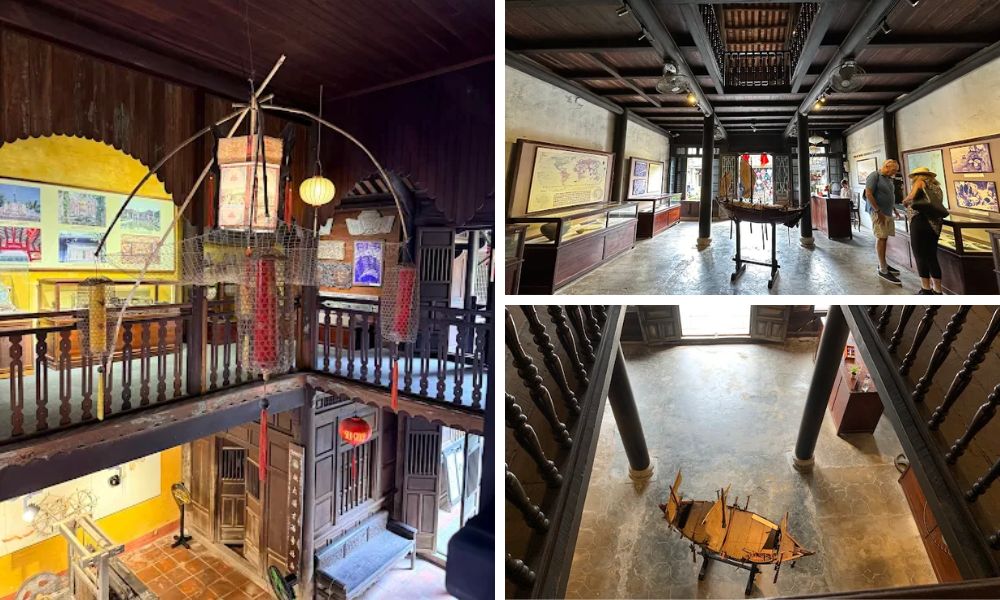
Figure 5. Exhibition area displaying artifacts from the ancient Hoi An trading port.
The role of Hoi An in ancient trade
Through its exhibits, the museum helps to recreate Hoi An’s role as a “cultural and trade transit point” in the region.
Hoi An is not just a place for shopping, but also a place where:
- Cultural exchange
- Handicraft exchange
- Connecting the international business community
This explains why the old town today still bears very clear traces of Japanese, Chinese, and Western architecture and culture.
The space recreates the ancient trading port of Hoi An.
What makes the Museum of Trade Ceramics special is that its space doesn’t feel like a dry, sterile exhibition room.
The entire museum is like a miniature slice of the old Hoi An trading port.
Trade culture
Through the artifacts and their arrangement, viewers can imagine the once bustling trading atmosphere in Hoi An:
- Merchant ships docked at the port.
- Foreign merchants living here
- Goods are constantly being exchanged.
Interestingly, many seemingly ordinary items were once luxury goods or had very high commercial value during that period. After visiting the museum, many tourists often begin to pay more attention to the traces of trade still present in the old town, from the architecture of old houses and assembly halls to the culinary culture. This is also when many people want to explore further Hoi An food to better appreciate the blend of local cultures.
East-West interaction
One aspect that many find appealing is the clear expression of cultural exchange within the museum.
You can see the effect:
- Vietnam
- Japan
- China
- West
through the design, patterns, and craftsmanship of each artifact.
This makes the museum experience not only historical but also helps viewers gain a deeper understanding of the process of forming Hoi An’s unique identity.
Ancient architecture of the Museum of Trade Ceramics
Besides the artifacts, the museum building itself is also a worthwhile experience.
Traditional houses in Hoi An
The museum is located in a traditional old house right on Tran Phu Street.
The space remains the same:
- Large wooden frame
- Yin-Yang tile roof
- distinctive yellow walls
- Ancient courtyard and skylight
This makes the experience of viewing artifacts much more authentic than in typical modern museums.
Exhibition space design
The interior layout is quite spacious and easy to navigate. The artifacts are divided according to different themes and periods of trade.
The natural light from the skylight creates a beautiful atmosphere in the morning and early afternoon, making many visitors feel as if they are stepping into Hoi An of a few centuries ago.
The historical value of trade ceramics in Hoi An
At first glance, many people might think of ceramics simply as household items or decorative objects. However, in the history of Hoi An, ceramics were once one of the most important trade items and played a significant role in shaping the international standing of this trading port.
Why were ceramics once such an important commodity?
During the period of flourishing maritime trade, ceramics were considered a high-value commodity because:
- Easy to transport by sea.
- It has great practical value.
- Showcasing the craftsmanship and culture of each country.
Many ancient pottery styles not only served daily life but were also regarded as works of art and symbols of wealth.
This makes Hoi An a major hub for ceramics from various regions.
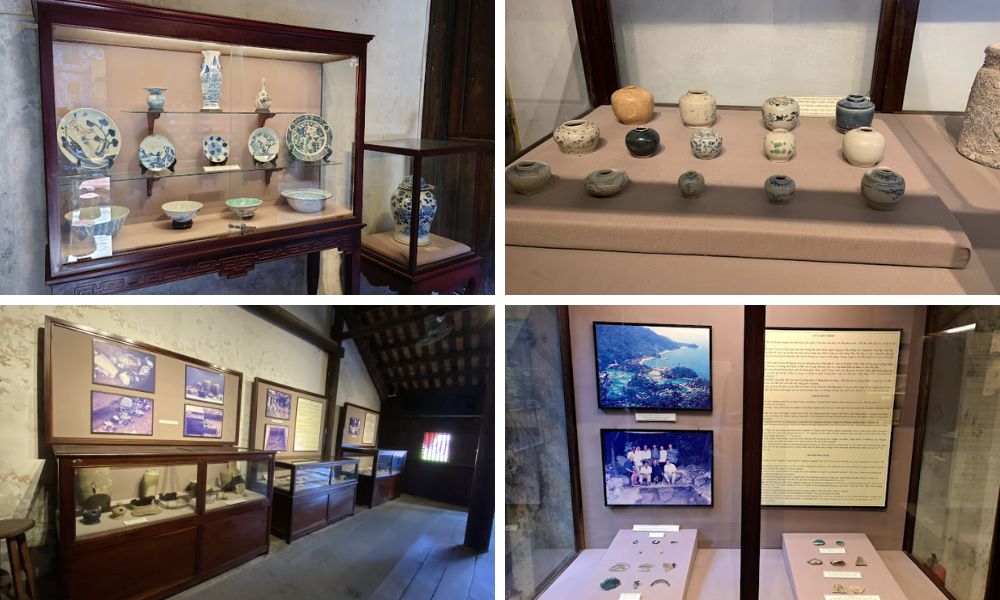
Figure 6. Exhibition areas for ceramic artifacts at the museum.
Hoi An in the Asian trade network
Through the artifacts at the Museum of Trade Ceramics, it can be seen that Hoi An once played an important role as a link in the Asian trade network.
From here, goods are transported to:
- Japan
- China
- Southeast Asia
- Western trading ports
This explains why Hoi An developed rapidly and became one of the most bustling international cities in the region during the 16th and 17th centuries.
It can be said that the Museum of Trade Ceramics is not only a place to preserve ancient ceramics, but also a place to tell the story of a Hoi An that once connected all of Asia through maritime trade. It is this historical depth, archaeological value, and cultural exchange that makes the museum one of the most valuable attractions in Hoi An ancient town today.
Experience visiting the Museum of Trade Ceramics
If you’re planning a visit to the Museum of Trade Ceramics and want to know how to make the experience more enjoyable instead of just glancing through it for a few minutes, the most important thing is to take the time to carefully observe the exhibits and appreciate the atmosphere of the old house inside. It’s not the kind of museum that gives you an immediate “wow” feeling, but the slower you look, the more you’ll understand about Hoi An’s unique period as an international trading port.
Many visitors initially think this is just a place to display ancient pottery, but after visiting, they are surprised by the historical depth and trade stories that the museum reveals.
When is the best time to go?
Based on personal experience, the best time to visit the Museum of Trade Ceramics is in the morning or early afternoon.
In the morning, the old town is still quite quiet, not too crowded with tourists, and the natural light inside the old houses is beautiful. This is when you can easily feel the tranquil and ancient atmosphere of the museum.
Early afternoon is also a good option, especially on hot days in Hoi An. The interior of the old houses is quite cool, creating a much more pleasant feeling than being outdoors in the crowded old town.
For a more relaxed experience, avoid late afternoon or evening hours as the old town center is usually very crowded with tourists. After visiting the museum, you can also combine it with some exploration Hoi An beach to relax and balance the experience.
Ideal time to visit
Many people think museums are quite small, so about 10 minutes is enough. But in reality, if you want to understand the stories behind the exhibits, you should spend a little more time.
A reasonable timeframe is usually:
- 20–30 minutes for a basic tour.
- It takes 45 minutes to about an hour if you want to carefully examine and read all the information.
Interestingly, the artifacts here aren’t the kind you can just glance at and understand. Some pottery pieces look quite simple, but when you carefully examine their origins, dates, and trade history, the experience is completely different.
Based on experience, the slower you walk through this museum, the more you appreciate the depth of the ancient Hoi An trading port. If you visit at the right time, you can also combine your trip with Da Nang International Fireworks Festival 2026 – DIFF 2026 to experience more of the festive atmosphere of Central Vietnam.
Do you need a tour guide?
The answer is not mandatory, but it would be worthwhile if you are truly interested in history or ancient commercial culture.
Even if you’re traveling independently, you can still learn quite a lot through the information boards and the way the exhibits are arranged inside the museum.
However, for those who want to understand more deeply about:
- Ancient maritime trade routes
- The origins of each type of pottery
- The role of Hoi An in Asian trade
- The cultural exchange between East and West
Having a tour guide will make the experience much more enjoyable.
Many stories about Japanese merchants, ancient trading ships, or the journeys of pottery artifacts cannot be fully conveyed in a few brief descriptions in a museum.
Things to note when visiting the Museum of Trade Ceramics
The most important thing is not to go to museums with a “just looking around” mindset. These are places suited for a slow-paced experience and observing every detail carefully.
Here are a few practical tips to help make your tour more enjoyable:
You should wear comfortable shoes because you’ll be doing a lot of walking in the old town before and after visiting the museum.
The interior is quite quiet, so please refrain from speaking loudly or disturbing others.
Many artifacts are of great historical and archaeological value, so you should not touch the display area directly without permission.
If you enjoy photography, take advantage of natural light in the morning or early afternoon, as the interior of the old house looks stunning in classic photos.
Furthermore, don’t just focus on the “beautiful” pottery pieces. The real interest lies in the story behind each artifact:
- Where did they come from?
- How was it exchanged?
- Why did they appear in Hoi An?
Once you understand that, you will see ceramic items not as mere decorative objects, but as “historical witnesses” of the era of international trading ports.
Interestingly, after visiting the museum, many tourists often begin to pay more attention to the traces of trade still present in the old town, from the architecture of old houses and assembly halls to the culinary culture.
It can be said that the experience at the Museum of Trade Ceramics will be much more worthwhile if you dedicate enough time and go with a truly exploratory mindset. This is not a place for hurried tourism, but rather a place that helps you understand more deeply about Hoi An, which was once a bustling international trading center of Asia. This is also a trend chosen by many tourists on their journey Hoi An tourism 2026 when prioritizing experiences with depth of culture and history.
The Museum of Trade Ceramics – A place to witness the flourishing period of the Hoi An trading port.
Amidst a Hoi An renowned for its lanterns, ancient houses, and colorful streets, the Museum of Trade Ceramics offers a very different perspective on the old town. It’s not the kind of tourist attraction that creates a bustling atmosphere or becomes overly popular on social media, but rather a place that best helps visitors understand why Hoi An was once one of Asia’s most important international trading ports.
What makes the museum special is not the number of artifacts or the grandeur of its space, but the historical story behind each ceramic item. Each exhibit reflects a period of maritime trade, a sea voyage of merchants, and a time when Hoi An was strongly connected with Japan, China, and many other countries in the region.
As you walk through each exhibition space, you’ll gradually realize that these ceramics are not just household items or handicrafts. They are the remnants of an entire international trade network that once flourished in Hoi An hundreds of years ago. And it was from these trading activities that Hoi An ancient town developed its unique cultural identity, which visitors can still clearly feel today through its architecture, cuisine, and local life. If you want to explore further, you can learn more about Hoi An cuisine currently popular.
The Museum of Trade Ceramics is particularly suitable for those who want to explore Hoi An in terms of historical depth, rather than just experiencing photo opportunities or strolling through the old town. After their cultural exploration journey, many tourists also seek out this museum Official List of Hoi An Restaurant Michelin to continue experiencing higher quality local cuisine.
It could be said that while Hoi An Old Town showcases the beauty of the present, the Museum of Trade Ceramics allows you to see the commercial soul of the past. And sometimes, it is these tranquil spaces that truly make people understand and remember Hoi An for the longest time after their trip.

Post on: 30/05/2026 14:16


