

The Phung Hung Ancient House (also Phung Hung Old House) is not just a simple architectural structure, but also a “living witness” to more than two centuries of ups and downs in the Hoi An trading port. With an age of over 240 years, this house has become a symbol of the prosperity and refined aesthetic taste of the merchant class of Hoi An in the past. Stepping through the time-worn wooden doors, visitors will journey back in time to discover the luxurious lifestyle, profound feng shui philosophies, and unique cultural fusion found only in this precious heritage site.
Where is Phung Hung Ancient House located? What is the most convenient way to get there?
When planning a visit to the ancient town, one of the most frequently searched questions is: Where is Phung Hung Old House located and what is the most convenient way to get there? This is one of Hoi An’s most famous ancient houses, so knowing its exact location will help you easily plan a logical itinerary, especially if you want to combine several historical sites in one trip.
Thanks to its location right in the heart of the Old Quarter, finding Phung Hung Ancient House is quite easy. No matter how you get there, as soon as you enter the heritage area, you’re almost certain to pass by this place.

Figure 1. Phung Hung Ancient House
Where is Phung Hung Ancient House located in Hoi An Old Town?
The Phung Hung Ancient House is located at 4 Nguyen Thi Minh Khai Street, Minh An Ward, Hoi An City. This is one of the most famous ancient streets in the old town, situated right in the center and surrounded by many important historical relics.
From the location of Phung Hung Old House, you only need to walk a few dozen meters to reach the Japanese Bridge, a famous architectural symbol of Hoi An. On the other side of the bridge is An Hoi town, where many cafes, restaurants and nightlife activities are concentrated.
Additionally, from Phung Hung Old House, you can easily reach the Hoai River area in just a few minutes’ walk. This was once an important trade route during the time when Hoi An was an international trading port, where ships docked to exchange goods with merchants from many countries.
Thanks to its location at the intersection of heritage streets, Phung Hung Old House is one of the most convenient stops when exploring the Old Quarter. From this location, visitors can also easily combine their visit with other Famous tourist attractions in Hoi An within walking distance include the Japanese Bridge, ancient assembly halls, and historical museums in the Old Quarter.
How to get to Phung Hung Ancient House
The most convenient way to get to Phung Hung Old House is on foot. Hoi An Old Town is designed as a pedestrian zone, especially during certain hours of the day when motorbike and car traffic is restricted. Therefore, walking is not only easy but also allows you to better experience the slow pace of life in the old town.
If you’re in areas near the city center like Tran Phu, Nguyen Thai Hoc, or Bach Dang streets, it only takes a few minutes to walk to Phung Hung Old House. Along the way, you can stop by handicraft shops, traditional tailor shops, or the charming old cafes of Hoi An.
Bicycles are also a popular option if you’re staying in areas further from the center, such as Cam Chau or Cam Nam. However, when you get closer to the core of the old town, you should park your bike and continue on foot for convenient sightseeing.
Another interesting option is to incorporate the Phung Hung Old House into the Old Quarter tour route. Many tourists often start from the Japanese Bridge, then walk along Nguyen Thi Minh Khai Street to visit the Phung Hung Old House, and then continue to Tran Phu and Nguyen Thai Hoc streets to explore other ancient houses and assembly halls.
Thanks to its central location and easy access to many historical sites, finding the Phung Hung Ancient House is actually quite simple. Just step into the old town, and you’ll be almost right next to one of Hoi An’s most iconic architectural landmarks.
After visiting Phung Hung Ancient House, many tourists often continue their journey along the old streets to find a place to relax and have dinner. Located just about 130 meters from Phung Hung, equivalent to a 2-minute walk, Chau Kitchen & Bar is a very convenient stop, and is also frequently mentioned as the best restaurant in Hoi An, highly rated by international tourists.
Located in a more than 100-year-old house in the heart of the old town, Chau offers a culinary experience deeply rooted in heritage. Yellow walls, wooden furniture, warm lantern lighting, and a decor reminiscent of Hoi An create an atmosphere that is both ancient and romantic. This is a standout Asian-European fusion restaurant in Hoi An. Here, Western cooking techniques are subtly blended with East Asian inspiration and local ingredients. The signature Iron Beefsteak, featuring premium beef cooked on a sizzling cast-iron griddle, is a favorite among diners, offering tender, juicy, and flavorful cuts of beef. In addition, the diverse Asian-European menu, including pasta, seafood, salads, and modern adaptations of Hoi An dishes, caters to a wide range of tastes.
The restaurant’s spacious and flexible setting is suitable for solo diners, couples, and groups, especially with seating offering street views at night, where you can enjoy dinner while watching the vibrant nightlife of the old town. After exploring ancient houses like Phung Hung, a dinner at Chau Kitchen & Bar is a natural way to continue experiencing Hoi An, not only through its architecture, but also through its cuisine and the atmosphere of this heritage city.
- Address: 141 Tran Phu, Minh An Ward, Hoi An Ancient Town
- Phone: 0903529377
- Opening hours: 08:30 – 22:30
- Website: https://chaukitchenandbar.vn/en/homepage/
- Facebook: https://www.facebook.com/Chaukitchenhoian
- You can book a table directly through the website: Reservation
- Rating on Google Map: 4.8/5.0
- TripAdvisor Rating: 4.8/5.0
The history of Phung Hung Ancient House spans over 240 years.
To understand why Phung Hung Ancient House is always considered one of the most representative buildings of Hoi An Old Town, it is necessary to look back at the historical journey of this house spanning more than two centuries. More than just an ancient wooden house, it clearly reflects the formation of the merchant class, the bustling trade of the ancient city, and the process of preserving heritage through many generations.
In the context of Hoi An, once a bustling international trading port, the Phung Hung Ancient House was not only the residence of a trading family but also a space for commerce, welcoming merchants, and preserving the story of a prosperous era.
Origin of the name Phung Hung
The name Phung Hung Old House is associated with the family that has lived in and preserved the house for many generations. The original owners were a wealthy merchant family in Hoi An’s old town.
The name “Phùng Hưng” carries auspicious meanings in East Asian culture. “Phùng” can be understood as meeting or gathering, while “Hưng” signifies development and prosperity. Combined, this name expresses a desire for prosperity and success in both business and family life.
More than just the name of a house, “Phung Hung” also reflects the spirit of the merchant class of Hoi An in the past. They believed that prosperity came from keeping their word, engaging in open trade, and maintaining family values.
Over generations, the name has been retained as a way of respecting the family tradition and the history of the house.
Phung Hung ancient house during the Hoi An trading port period
During the period from the 17th to the 19th centuries, Hoi An was one of the busiest trading ports in Southeast Asia. Merchant ships from China, Japan, and many other countries regularly docked to trade goods.
In that context, the Phung Hung Old House served as a trading center for the merchant family. The ground floor of the house was used as a space for trading and displaying goods. Popular items at that time included agricultural products, ceramics, silk, and various imported goods.
Arranging the trading space on the ground floor facilitates commercial activity. Merchants can stop by to exchange goods, while family members live upstairs or in the back of the house.
This organizational structure clearly reflects the characteristic mixed-use residential and commercial model of Hoi An’s old town. Living and business spaces blend together, creating the distinctive port life of its heyday.
The process of preserving and maintaining the Phung Hung Old House
One of the reasons why the Phung Hung Ancient House has retained its value to this day is the continuous preservation by the family over many generations.
Instead of being structurally altered or renovated in a modern style, the house has retained almost its original wooden frame, spatial layout, and many ancient architectural details. The restorations have mainly aimed at reinforcing the structure and protecting the building from the effects of the weather.
Passing down the house to descendants is not simply about preserving family property, but also about safeguarding a part of the history of the old town. This continuity is what makes Phung Hung Old House a living heritage, where the past and present coexist in the same space.
Today, when visitors step inside, they not only see a structure over 240 years old but also feel the continued flow of history. This makes Phung Hung Ancient House not just a tourist attraction, but also a living part of Hoi An’s memory.
The unique architecture of Phung Hung Old House
One of the reasons why Phung Hung Ancient House is a prominent attraction in Hoi An Old Town is its architectural value, which has been preserved almost intact for over two centuries. More than just a simple old house, this structure clearly reflects the cultural exchange during the period when Hoi An was a bustling international trading port.
Upon entering the Phung Hung House, you’ll immediately realize that its structure was designed not only for living but also to serve the trading activities of a merchant family. From the wooden frame and tiled roof to the spatial arrangement, everything reflects the meticulous planning of the people of the past.
The fusion of Vietnamese, Chinese, and Japanese architecture.
The most striking feature of the architecture of Phung Hung Ancient House is the blend of three cultures: Vietnamese, Chinese, and Japanese. This is a very typical characteristic of buildings in Hoi An ancient town, which was once a meeting place for many international merchants.
The influence of Vietnamese architecture is clearly evident in the overall structure of the house. The space is organized in the style of an elongated tube house, suitable for commercial streets. The placement of skylights helps to bring in natural light and create ventilation for the entire building.
Chinese architectural elements are clearly evident in the decorative details and interior design. Intricate patterns with feng shui significance are intricately carved on columns, beams, and wooden doors. These motifs often symbolize prosperity, wealth, and good fortune in business.
Meanwhile, Japanese influence can be seen in the sturdy wooden frame and some of the technically sophisticated structural details. The frame is assembled using traditional mortise and tenon joints, giving the structure good load-bearing capacity and durability over time.
The roof of Phung Hung Ancient House is covered with yin-yang tiles, a traditional roof style common in ancient architecture. This design not only balances feng shui but also helps drain water quickly in the rainy conditions of Central Vietnam.

Figure 2. Architectural blending in the old house.
A rare two-story layout among the ancient houses of Hoi An.
One distinctive feature that sets Phung Hung Old House apart from many other ancient houses in the Old Town is its two-story structure. While most ancient houses in Hoi An only have a main floor, this house was designed with an additional upper floor to serve as family living space.
The ground floor was used as a commercial space. This was where goods were displayed and customers were received during the time when Hoi An was a bustling trading port. The open design facilitated transactions while creating a sense of spaciousness throughout the house.
The upper floor served as the family’s living and worship area. This space was quieter and separate from the business area below. The altar was placed in a prominent position, reflecting the tradition of ancestor veneration among the merchant families of Hoi An in the past.
The clear separation between business and living spaces has made Phung Hung Ancient House a prime example of a mixed-use residential and commercial building model in the old town.

Figure 3. Two-story layout of the Phung Hung ancient house.
Exquisite wood carving details
One of the things that impresses many visitors when visiting Phung Hung Ancient House is the very well-preserved system of wood carvings.
The large wooden pillars inside the house are intricately carved with various symbolic images such as flowers, birds, animals, and feng shui motifs. These details not only serve as decoration but also express the family’s desire for prosperity and peace.
The roof trusses are also elaborately designed with traditional wooden mortise and tenon joints. Thanks to this construction technique, the building can withstand changing weather conditions and many major floods in Hoi An’s history.
Upon closer observation of each detail, you will clearly see the craftsmanship of ancient artisans reflected in every carving. These elements contribute to the unique architectural value of the Phung Hung House, making it one of the most worthwhile historical sites to explore during a visit to Hoi An Ancient Town.
How much is the entrance fee to Phung Hung House? Do I need to buy a separate ticket?
Before visiting Hoi An Ancient Town, one of the most frequently searched questions is: How much does it cost to visit Phung Hung Ancient House, and is a separate ticket required for this attraction? This is a very practical question, especially for first-time visitors to Hoi An who want to plan their trip effectively.
The short answer is that you don’t need to buy a separate ticket for the Phung Hung Ancient House. This house is part of the system of historical sites included in the Hoi An Ancient Town tour ticket. However, to understand how the ticket works and the specific costs, you should know some important information below.
Phung Hung Ancient House – Latest updated ticket prices
Currently, the entrance fee to Phung Hung House is included in the general entrance ticket to Hoi An Ancient Town. When purchasing this ticket, visitors can choose to visit several listed historical sites, including Phung Hung Old House.
The current entrance fees to the Old Quarter are usually divided according to the type of visitor.
Vietnamese tourists pay approximately 80,000 VND per person for a tour.
International visitors pay approximately 120,000 VND per person for a tour.
With each ticket, you can visit up to 3 historical sites in the Old Quarter. Upon entering the Phung Hung House, staff will collect one of the tickets from your set. You can visit Tan Ky Old House – A heritage site over 200 years old in the heart of Hoi An ancient town during your trip to Hoi An.
This means you don’t need to buy a separate ticket at the entrance of the old house. Simply using your old town sightseeing ticket will allow you to enter this more than 240-year-old structure.
If you’re just strolling through the old town, taking photos outside, or exploring the streets, you’re not required to buy a ticket. However, if you want to explore the interior of Phung Hung Ancient House, observe the ancient wooden architecture and carvings, you’ll need an entrance ticket.
Phung Hung Ancient House Opening Hours
The Phung Hung house is usually open from around 8 am to 5 pm or 6 pm, depending on the tourist season. This is a suitable time for tourists to visit the historical sites in the old town.
The best time to visit is usually in the morning, from 8 to 10 a.m. At this time, the area is still quite quiet and there aren’t too many visitors. Natural light shining through the wooden windows also helps you observe the architectural details inside the house more clearly.
The afternoon, around 3 PM, is also a popular time for many tourists. The gentle sunlight makes the ancient atmosphere of Phung Hung House feel warm and makes it easier to take photos. However, this is also when the old town starts to get crowded.
Regarding the visiting time, on average, tourists usually spend about 20 to 30 minutes exploring the entire space of the house. This amount of time is sufficient to observe the rare two-story architecture, the ancient wooden frame, and the distinctive carvings. After the tour, you can consider a quality dinner in the old town by checking out the following options to choose Official List of Hoi An Restaurant Michelin a suitable dining location.
Knowing the entrance fee and opening hours of Phung Hung Ancient House will help you plan your visit to Hoi An Ancient Town more effectively and ensure a complete experience exploring one of the most famous ancient houses there.
What’s so special about visiting the Phung Hung Ancient House?
When visiting Hoi An Ancient Town, many tourists choose Phung Hung Old House not only because it is an architectural masterpiece over 240 years old, but also because the experience of visiting it feels very authentic. The house’s space still retains the atmosphere of traditional family life, unlike many other historical sites where only the architectural structure remains.
What makes a visit to the Phung Hung House so special lies in three key elements: the living space has been preserved intact, the ancient artifacts are carefully conserved, and the family stories are told directly to visitors.
The living space remains unchanged.
One of the first impressions upon entering the Phung Hung Ancient House is the feeling that the space is still very lively, rather than just a building serving as an exhibition space.
The house retains the traditional layout of a former Hoi An merchant family. The ground floor was once used for trading, while the upper floor served as the family’s living and worship space. The rooms are arranged according to their original structure, from the reception area to the ancestral altar.
This preservation helps visitors easily visualize the lives of merchant families more than two centuries ago. Standing inside the old wooden house, you can clearly feel the rhythm of a once bustling trading port. This rhythm is not only reflected in the trading activities but also in Hoi An food, a place that clearly reflects the cultural exchange and culinary habits of the merchants who once lived in the old town.
Ancient artifacts are preserved.
Inside the Phung Hung Old House, many valuable ancient artifacts are still preserved. From wooden tables and chairs, display cabinets, horizontal plaques and couplets to household items, everything is quite well preserved.
Many of the items in the house are not restored display pieces, but rather objects that the family has used for generations. Details such as the wood darkening over time or the wear and tear on the surfaces of the furniture make the space feel very authentic.
These traces of time make the visit to Phung Hung House even more vibrant. Visitors not only see the ancient architecture but also feel the depth of the house’s history. After exploring the architecture and history, many visitors continue to learn more about Hoi An cuisine, an important part of completing the cultural experience of the old town.

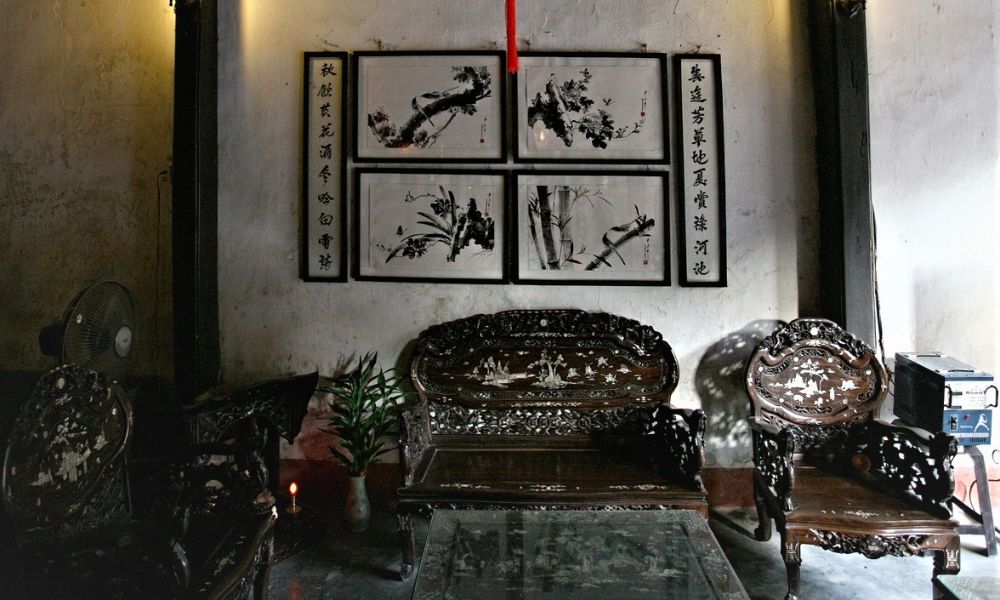
Figure 4. Some ancient artifacts at the Phung Hung ancient house.
Visitors can listen to the family story.
One of the most enjoyable experiences when visiting Phung Hung Ancient House is hearing about the history of the family that has lived there for generations.
Instead of just reading information on the information board, visitors can listen directly to stories about the family’s trading history, how the house was built, and the historical upheavals the family has experienced.
These stories help listeners better understand the role of the house during the flourishing period of Hoi An’s trading port. At the same time, they create an emotional connection between visitors and the heritage space.
The combination of ancient architecture, historical artifacts, and family stories makes the experience at Phung Hung Ancient House truly memorable. It’s not just a tourist attraction, but also a place that allows you to better understand the life and culture of Hoi An over the centuries.
What makes Phung Hung Old House different from other ancient houses in Hoi An?
Among the famous ancient houses in the Old Town, Phung Hung Ancient House is always mentioned as a special structure. However, to fully understand the value of this house, it needs to be placed in its broader context and compared with other typical ancient houses of Hoi An. The comparison is not aimed at finding the “most beautiful” building, but rather helps visitors understand that each house reflects a different aspect of the life of ancient merchants.
When placing Phung Hung Ancient House alongside structures like Tan Ky or Quan Thang, the differences in architecture, history, and spatial organization become more apparent.
See more: Ancient houses in Hoi An: World cultural heritage in the heart of the city
Comparing Phung Hung Ancient House with Tan Ky Ancient House
Both buildings are popular attractions in the old town and have a history spanning over two centuries. However, upon closer inspection, you’ll see that each house represents a unique characteristic of Hoi An architecture.
The Phung Hung ancient house stands out with its rare two-story structure, uncommon among the ancient houses of the Old Quarter. The ground floor was once used for commercial activities, while the upper floor served as the family’s living and worship space. This design demonstrates a clear separation between the business area and private space.
Meanwhile, Tan Ky Ancient House is a prime example of the traditional tube-house style of Hoi An merchants. The house’s layout extends deep into the interior, with interconnected rooms from front to back. Living and business spaces are blended together on the same floor plan.
While Tan Ky is considered a typical example of a traditional merchant house, Phung Hung Ancient House offers a different perspective with its unique two-story structure, demonstrating flexible adaptation to commercial conditions and family life.
Comparing Phung Hung Ancient House with Quan Thang Ancient House
When compared to Quan Thang Ancient House, Phung Hung Ancient House differs in its architectural style and level of decoration.
The Quan Thang ancient house is known for its elaborate wood carvings, heavily influenced by Chinese culture. The interior wooden furnishings are decorated with intricate patterns, creating a sense of solemnity and high ceremonial significance.
In contrast, the Phung Hung Ancient House has a more harmonious and balanced architectural style. Although it still features exquisite wood carvings, the overall feel of the house is more spacious and closer to everyday life.
Furthermore, the location of Phung Hung Ancient House near the Japanese Bridge makes it a very convenient stop on the Old Quarter tour. This allows many tourists to easily combine a visit when exploring the heritage center.
The unique value of Phung Hung Old House within the Hoi An ancient house system.
Through comparison, it can be seen that each ancient house in Hoi An Old Town possesses its own unique value. Tan Ky Ancient House stands out with its typical merchant house layout. Quan Thang Ancient House impresses with its exquisite wood carvings. Meanwhile, Phung Hung Ancient House is distinguished by its rare two-story structure and the harmonious combination of architecture and family life.
These unique features make Phung Hung Ancient House one of the most worthwhile places to explore in the history and architecture of Hoi An Old Town. Stepping inside, you not only see an ancient house, but also feel the presence of a historical trading port still existing in the heart of the old town.
Experience visiting Phung Hung Old House
After learning about the location of Phung Hung Ancient House and checking the entrance fees, many tourists often ask the following questions: when is the best time to visit, is it allowed to take photos inside, and how much time is needed to fully explore this house that is over two centuries old?
In fact, visiting Phung Hung Ancient House is not just about stepping into an ancient architectural structure, but also about experiencing the living space of a merchant family in Hoi An in the past. Therefore, choosing the right time and way to visit will help make the trip more fulfilling.
When is the best time to visit?
The ideal time to visit Phung Hung Ancient House is in the morning, from around 8 am to 10 am. This is when the old town is still quite quiet and not too crowded with tourists. Natural light shining through the wooden doors and skylights makes the interior space feel warmer and more inviting.
The afternoon, around 3 PM, is also a popular time for tourists. The sunlight is softer then, creating a very distinctive atmosphere in Hoi An Old Town. However, this is also peak time, so the area around Phung Hung Ancient House may be more crowded than in the morning. After exploring the Old Town, you can also head to An Bang Beach to enjoy the local culture beach bars Hoi An, a place where many tourists enjoy watching the sunset and relaxing after a day of exploring the heritage site.
If you want a comfortable experience and the opportunity to easily observe the ancient wooden architecture inside the house, morning is still considered the most suitable time by many.
Is it allowed to take photos inside the Phung Hung Old House?
Visitors are generally allowed to take photos when visiting Phung Hung Ancient House, however, they need to comply with some general regulations to protect the heritage space.
Generally, you can take photos in the tourist areas, but you should limit the use of flash as strong light can damage the wooden surfaces and ancient artifacts. Additionally, the indoor worship area is considered a sacred space, so visitors should show respect and avoid posing in an inappropriate manner.
A helpful tip is to take advantage of natural light from wooden doors and skylights. Simple shots with antique wooden backgrounds and traditional architectural details often feel more authentic and beautiful than staged shots.
Ideal time to visit
On average, visitors typically spend about 20 to 30 minutes exploring the entire Phung Hung Ancient House. This is enough time to observe the distinctive two-story architecture, the ancient wooden frame, and the intricate carvings inside the house.
If you enjoy architecture or want to hear a detailed explanation of the family history and trading activities during the port era, you can spend about 40 minutes exploring further.
Because the Phung Hung Ancient House is located very close to the Japanese Bridge and many other historical sites, many tourists often combine visits to it on the same walking route. After leaving the house, you can continue exploring the surrounding old streets to better understand Hoi An’s heritage space. Another interesting experience is visiting Rooftop cafes in Hoi An to admire the panoramic view of the moss-covered tiled roofs of the old town from above and feel the characteristic slow pace of life in the old town.
Knowing the location of Phung Hung Old House, its entrance fee, and choosing the right time to visit will make your exploration easier. Most importantly, walk slowly and take the time to observe every detail, because it is the tranquility of the house that makes the experience memorable. After spending a lot of time walking around the old town, many tourists choose to relax at various Hoi An spa to rest and recharge your energy.
Interesting facts that few people know about Phung Hung Ancient House.
Many tourists know Phung Hung Old House as one of the most famous ancient houses in Hoi An Old Town. However, behind its ancient exterior lie many interesting details that not everyone notices when visiting. The traces of natural disasters, how the ancients designed the house to adapt to floods, and the role of this building in the world heritage dossier are all stories that help to understand the value of Phung Hung Ancient House more deeply.
Upon closer observation, you will realize that this house is not only an ancient architectural structure, but also a living testament to the history and adaptability of Hoi An’s inhabitants over the centuries.
Flood marks were left inside the house.
One detail that surprises many people upon entering the Phung Hung Old House is the flood level markings inscribed on the wooden pillars. These are not decorative details or reconstructions for tourists to see, but real traces of major floods that once occurred in Hoi An.
Located near the Hoai River and the lower reaches of the Thu Bon River, the Old Quarter is frequently affected by flooding during the rainy season. The family living in the house recorded the water levels of each major flood on a wooden pole as a way to preserve memories and track the severity of natural disasters year after year.
Looking at these landmarks, visitors can gain a clearer picture of the lives of the old town’s residents in the past. This also serves as proof of the resilience of the Phung Hung Ancient House, as the building has survived and retained its structure almost intact after hundreds of years.
The house’s unique flood-resistant structure.
Another interesting fact is that the Phung Hung Old House was designed with many details to adapt to the flood conditions of Hoi An.
The house was built on a raised foundation compared to the surrounding road level. This design helps minimize the impact of flooding when water levels rise. Additionally, much of the furniture inside is made of wood and can be easily moved to the upper floor when needed.
The two-story structure of Phung Hung Ancient House also plays an important role in coping with floods. When the water level rises, the family can move their living quarters to the upper floor to avoid being affected. This is a very practical solution of the residents of the old town, reflecting how people in the past adapted to the harsh natural environment.
These architectural details show that the house was built not only for aesthetic purposes, but also for its high functionality in daily life.
The role of Phung Hung Ancient House in the UNESCO heritage dossier.
Few people know that Phung Hung Ancient House is one of the representative structures mentioned when building the nomination dossier for Hoi An Ancient Town to become a World Cultural Heritage site.
The house clearly exemplifies the mixed-use residential and commercial architecture of Hoi An merchants during the port’s development. Its two-story layout, traditional wooden frame, and the cultural fusion of Vietnamese, Chinese, and Japanese influences are all important elements that demonstrate the historical and architectural value of this ancient city.
Thanks to structures like the Phung Hung Ancient House, Hoi An Old Town is considered one of the best-preserved ancient urban areas in Southeast Asia. These houses not only retain their architectural form but also preserve the lifestyle, business practices, and culture of the residents through generations.
Knowing these lesser-known stories will make your visit to Phung Hung Ancient House much more interesting. You’ll not only see a house over two hundred years old, but also gain a deeper understanding of how the people of Hoi An live, adapt, and preserve their heritage over time.
Why is Phung Hung Old House a must-see attraction?
When exploring Hoi An Ancient Town, many tourists often wonder which buildings to visit to best understand the history and architecture of the ancient city. Among the famous ancient houses, Phung Hung Ancient House is always considered one of the most representative stops. This is not only because of its age of over two centuries, but also because of the cultural and historical value that this building preserves.
The Phung Hung Ancient House is not simply a 200-year-old house. It clearly reflects the bustling era of Hoi An’s trading port. In the past, the ground floor of the house was a lively trading space for a merchant family, where daily trade and exchange of goods took place. Stepping inside, you can imagine the vibrant commercial life of the ancient town during its heyday.
Besides its historical value, Phung Hung Old House is also a very distinctive example of cultural fusion architecture. The house’s architecture harmoniously combines Vietnamese, Chinese, and Japanese styles. The traditional wooden frame, yin-yang tiled roof, and exquisite carvings create an overall structure that is both elegant and durable over time. This blend makes the house a prime example of Hoi An’s ancient town architecture.
One factor that makes Phung Hung Old House more special than many other historical sites is that it still breathes the spirit of real life. The house has been preserved through many generations of the same family, so the interior space still retains traditional living habits. This makes it a living heritage in the heart of the old town, where the past and present coexist within a single ancient architectural space.
Before visiting, many tourists often research the location of Phung Hung Old House to easily plan their sightseeing itinerary in the old town. In addition, information about the entrance fee to Phung Hung Old House is also a concern, as the house is included in the Hoi An heritage site tour. Knowing this information helps you be more proactive when planning your exploration of the heritage town.
If you have the chance to visit Hoi An, take the time to step inside the Phung Hung Old House instead of just passing by. Just a few dozen minutes observing the ancient wooden architecture, listening to the story of the family, and looking at the historical traces still remaining in the house will help you understand why this building is always considered one of the must-see attractions of the ancient town. Many tourists visiting Central Vietnam also combine their Hoi An tour with major regional events such as Da Nang International Fireworks Festival 2026 – DIFF 2026. This creates a journey of discovery that is both rich in heritage and vibrant in its experiences.

Last updated: 05/03/2026 03:44


