

If you’re planning to explore the cultural beauty of Hoi An Ancient Town, the Phuc Kien Assembly Hall (also Fujian Assembly Hall or Phuoc Kien Assembly Hall) should definitely be one of the first stops on your list. Widely known by its more familiar name, the Fujian Assembly Hall, this building is not only a community center for the ancient Chinese but also a proud masterpiece of art. This article will provide you with the most useful information about the history, spiritual significance, and tips for visiting this renowned assembly hall to make your trip even more fulfilling.
An overview of the Phuc Kien Assembly Hall
If you’re looking for a representative assembly hall to understand the architecture, beliefs, and community life of the Chinese community in the old town, the Phuc Kien Assembly Hal is the most outstanding attraction. It’s not only a large-scale building with impressive architecture, but also a crucial spiritual center for the Fujian Chinese community in Hoi An for centuries.
With its convenient location, profound historical value, and sacred religious atmosphere, the assembly hall is always on the list of places tourists should visit when exploring the ancient city.
The Fujian Assembly Hall is one of the most prominent Chinese assembly halls in the Old Quarter.
Among the assembly halls in Hoi An, the Phuc Kien Assembly Hall is considered a representative structure in terms of both scale and cultural value. The assembly hall was built by the Fujian Chinese community as a meeting place for compatriots, community activities, and the organization of traditional religious practices.
From the moment you enter, visitors can clearly sense the grandeur of the building with its architecture strongly influenced by traditional Chinese style. The spacious interior, harmonious layout, and exquisite decorative details make it one of the most distinctive architectural highlights of Hoi An ancient town.
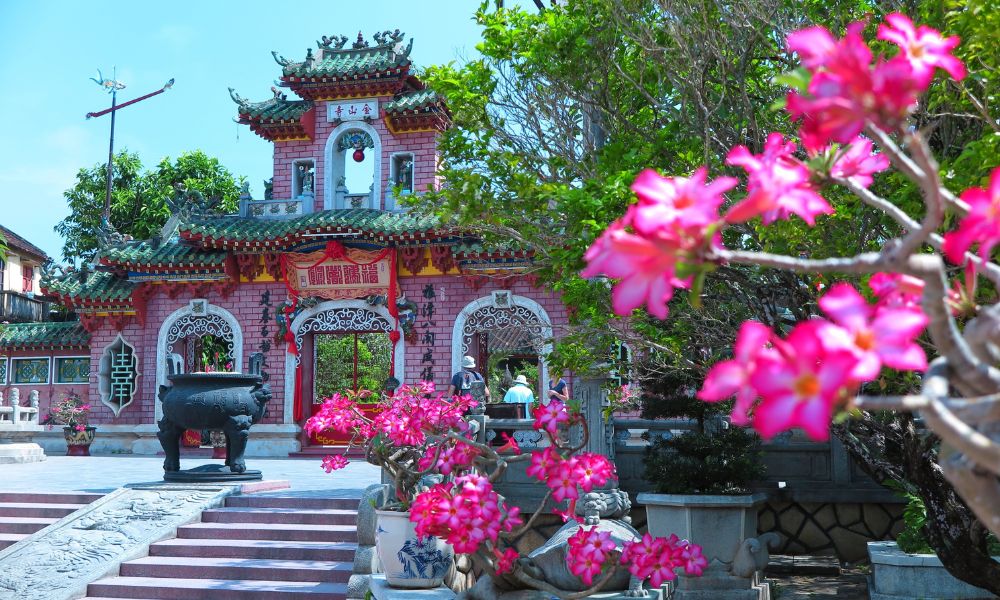
Figure 1. Phuc Kien Assembly Hall (Fujian Assembly Hall)
The location of the Phuc Kien Assembly Hall in Hoi An within the heritage complex.
The Phuc Kien Assembly Hall is located right in the heart of the old town, on a bustling heritage street, and easily connects to many other famous tourist attractions.
This location makes it convenient for visitors to include the assembly hall in their itinerary without spending much time traveling. From here, you can easily combine exploring the ancient architecture, old houses, and the characteristic lantern-lit streets of Hoi An.
Thanks to its location within the core of the World Heritage site, the assembly hall has become a familiar stop for most tourists visiting the Old Quarter. If you are planning a comprehensive exploration of the Old Quarter, don’t miss List of famous tourist attractions in Hoi An to combine sightseeing conveniently and save time.
Why is the Fujian Assembly Hall always on the list of must-see attractions?
There are many reasons why the Phuc Kien Assembly Hall is always a top choice on tourists’ itineraries.
First and foremost is its outstanding architectural value. The building boasts a traditional Chinese style with a grand triple-arched gate, a spacious inner courtyard, and a distinctive curved tiled roof. Intricate decorative details, vibrant colors, and exquisite sculptural art create an overall effect that is both solemn and lively.
In addition, it holds profound spiritual value. The assembly hall is dedicated to the worship of Thien Hau Thanh Mau, the patron goddess of fishermen and seafaring merchants. The solemn atmosphere of the worship space, along with the tranquil incense smoke, makes it a sacred destination for the Chinese community and visitors from all over.
The combination of unique architecture and religious elements has made the assembly hall one of the must-see places when exploring the old town.
The historical, cultural, and spiritual value of the Phuc Kien Assembly Hall.
The Phuc Kien Assembly Hall clearly reflects the role of the Chinese community in the history and development of Hoi An. For centuries, Chinese merchants have lived here and contributed to the prosperity of this international trading port.
The community hall is not only a place for community activities but also a center for preserving traditional culture. Festivals, religious rituals, and customs of the Chinese people are still maintained here, creating a rich cultural life in the heart of the old town.
The sacred space inside the assembly hall is deeply spiritual. Upon entering, visitors can clearly feel the solemn atmosphere and the distinctive religious beliefs of the overseas Chinese community. After visiting the assembly hall, you can continue your exploration Hoi An cuisine with traditional specialties from the old town that offer unforgettable flavors.
Experience firsthand the Phuc Kien Assembly Hall in Hoi An.
Visiting the Phuc Kien Assembly Hall, tourists have the opportunity to step into an ancient architectural space that has been preserved almost intact. Passing through the triple-arched gate, you will encounter a spacious inner courtyard and rows of solemnly arranged ancestral halls.
Each area within the assembly hall possesses its own unique beauty, from the exquisite wood carvings to the colorful ceramic reliefs. The tranquil interior allows visitors to easily observe and appreciate the cultural depth of the structure.
Besides admiring the architecture, visitors can also learn about the religious life of the Chinese community through the rituals and cultural activities that take place here.
Thanks to its blend of historical, architectural, and spiritual values, the Fujian Assembly Hall offers a complete sightseeing experience for those wishing to explore the cultural depth of Hoi An ancient town. Leaving the spiritual space, stroll around the ancient town and enjoy the sight Hoi An food. It’s a fulfilling experience that many tourists love.
Where is the Phuc Kien Assembly Hall located? Detailed directions.
When planning a visit to the ancient town, many tourists often search for the exact location of the Phuc Kien Assembly Hall to arrange their itinerary as conveniently as possible. Thanks to its location right in the heart of the heritage site, getting to the assembly hall is quite easy whether you are starting from Da Nang or staying in Hoi An ancient town.
Knowing the location and directions will help you manage your time effectively, allowing you to combine visits to nearby historical sites without wasting time searching for directions.
The exact address of the Phuc Kien Assembly Hall.
The Phuc Kien Assembly Hall is located at 46 Tran Phu Street, Minh An Ward, Hoi An City, Quang Nam Province.
This is one of the most central and bustling streets in the Old Quarter. The street is densely packed with ancient buildings, old houses, museums, and handicraft shops. Thanks to its convenient location, visitors can easily spot the prominent triple-arched gate of the assembly hall by simply walking along the street.
This location also places the meeting hall near many other popular attractions, making it convenient to combine them in a single itinerary exploring the old town.
How to get from Da Nang to Phuc Kien Assembly Hall
If departing from Da Nang, tourists have several transportation options to reach Hoi An Ancient Town before traveling to the assembly hall.
The distance from the center of Da Nang to Hoi An is approximately 30 km, with an average travel time of 45 minutes to 1 hour depending on the mode of transport.
Taxis and ride-hailing services are the most convenient options if traveling in groups or with family. This allows you to go directly to the Old Quarter without needing transfers.
Motorbikes are ideal for travelers who prefer to be in control of their itinerary and want to enjoy the scenery along the coast. The coastal road connecting Da Nang and Hoi An is quite beautiful, easy to navigate, and offers many photo opportunities.
Public buses are a cost-effective option, however, travel time is longer and you will need to walk a short distance to reach the old town.
After arriving in the center of Hoi An, tourists can park their cars outside and continue their journey into the old town on foot.
Getting from the center of the old town to the Phuc Kien Assembly Hall:
From central areas of the Old Quarter such as the Japanese Bridge or the Hoai River bank, visitors can reach the Phuc Kien Assembly Hall in just a few minutes’ walk.
Simply head towards Tran Phu Street, the main thoroughfare lined with many famous landmarks. The assembly hall is located right on the street front, making it easy to find, especially with its large triple-arched gate and striking architecture standing out amidst the old town streets.
Thanks to its location in the heart of the heritage site, combining a visit to the assembly hall with visits to nearby attractions is very convenient.
Suggest suitable modes of transportation.
Walking is the ideal way to explore the old town and visit the Fujian Assembly Hall. This method allows you to fully appreciate the ancient architecture, easily stop to take photos, and admire the buildings along the way.
Bicycles are also a popular choice for many tourists. Cycling slowly through the streets makes the journey more relaxing and enjoyable, especially in the cool morning or afternoon.
Cyclo rides offer a unique experience for tourists who want to explore the Old Quarter in a traditional way. Sitting in a cyclo, you can leisurely admire the scenery and listen to the driver introduce you to the prominent historical sites.
The best time to visit the Fujian Assembly Hall.
The ideal time to visit the Phuc Kien Assembly Hall is between 8 and 10 a.m. The air is cool, and there aren’t too many visitors, allowing you to comfortably observe the architecture and take photos.
The morning light also highlights the vibrant colors of the building and helps to make the interior space more harmonious and pleasant.
After 3 PM is also a suitable time when the weather is mild. Visitors can combine a visit to the assembly hall with a stroll through the old town and admire the lanterns in the evening.
If you want to fully experience the spiritual atmosphere, you should avoid peak hours around midday because of the hot weather and large crowds of visitors.
Knowing the location and how to get there will make exploring the Fujian Assembly Hall more convenient, time-saving, and provide a more complete experience when visiting Hoi An ancient town.
After visiting the Fujian Assembly Hall and admiring its magnificent architecture in the heart of the old town, many tourists often look for a nearby place to rest and enjoy the local cuisine. Just a 5-minute walk from the assembly hall, Chau Kitchen & Bar is a convenient option and is the best restaurant in Hoi An, highly rated by international tourists.
Housed in a more than 100-year-old traditional house, Chau offers a space steeped in Hoi An’s charm with yellow walls, wooden furniture, lanterns, and warm lighting, creating an atmosphere that is both ancient and romantic. It’s a standout Asian-European fusion restaurant where the essence of Western cuisine is harmoniously combined with East Asian inspiration and local ingredients. Iron Beefsteak Hoi An – the signature dish – premium beef cooked on a sizzling hot cast-iron pan, tender, juicy, and flavorful is always a memorable choice for diners. In addition, the diverse Asian-European menu, featuring pasta, seafood, salads, and modern twists on Hoi An specialties, caters to a wide range of tastes.
The restaurant’s spacious and flexible setting is suitable for solo diners, couples, and large groups. In particular, the seating areas with street views at night offer a very romantic experience, where you can enjoy dinner while admiring the ancient town shimmering in the lantern light. After exploring the Fujian Assembly Hall, a dinner at Chau Kitchen & Bar is a gentle and refined way to continue appreciating the cultural beauty and rhythm of life in Hoi An.
- Address: 141 Tran Phu, Minh An Ward, Hoi An Ancient Town
- Phone: 0903529377
- Opening hours: 08:30 – 22:30
- Website: https://chaukitchenandbar.vn/en/homepage/
- Facebook: https://www.facebook.com/Chaukitchenhoian
- You can book a table directly through the website: Reservation
- Rating on Google Map: 4.8/5.0
- TripAdvisor Rating: 4.8/5.0
The history of the Phuc Kien Assembly Hall spans over 300 years.
Upon passing through the majestic triple-arched gate and strolling through the ancient surroundings, many visitors are curious about when the Fujian Assembly Hall was built and why it holds such an important place in the history of the ancient town. In reality, the assembly hall is not just a simple religious building, but also a landmark reflecting the formation of the Chinese community and the prosperity of the Hoi An trading port over many centuries.
With a history spanning over 300 years, the Phuc Kien Assembly Hall preserves almost entirely the historical, cultural, and religious values of the Fujian Chinese community who first settled in this region.
The origins of the Hokkien Chinese community in Hoi An
From the 16th century onwards, Hoi An became a bustling international trading port, attracting numerous foreign merchants. Among them, the Fujianese Chinese community was one of the earliest settlers and had a significant influence on the local economy.
Initially, they migrated by sea in search of trading opportunities and gradually settled permanently in Hoi An. These merchants brought with them the customs, beliefs, and cultural identity of their homeland, creating a large Chinese community in the heart of the trading port.
To maintain camaraderie among fellow countrymen and provide a common gathering place, the Fujianese Chinese community collectively built a community hall as a cultural and spiritual center. This is a place for meetings, exchanging business information, and organizing traditional ceremonies.
The construction and restoration process of the Fujian Assembly Hall.
The Fujian Assembly Hall was built around the late 17th century. Initially, it was just a small temple dedicated to the Goddess of the Sea, Thien Hau, the patron deity of seafarers. Later, as the Fujian Chinese community grew, the temple was expanded into the large assembly hall with the imposing architecture it has today.
Over the centuries, the assembly hall has undergone numerous renovations to preserve its architecture and adapt to the harsh climate of central Vietnam. Despite these efforts, the overall layout and traditional Chinese architectural style have been preserved almost entirely.
The restoration work not only made the structure more durable but also contributed to preserving artistic values such as the wooden frame, yin-yang tiled roof, and exquisite ceramic decorative details.
The role of the Phuc Kien Assembly Hall in international trade in the 16th-18th centuries
During the flourishing period of the Hoi An trading port, the Phuc Kien Assembly Hall played a central role in the activities and networking of the Chinese merchant community.
This was where merchants met partners, exchanged information about goods, and established business relationships. Thanks to the close-knit network among fellow countrymen, trade flowed smoothly and contributed to the prosperity of the port city.
The guildhall also served as a source of spiritual support, helping merchants feel secure while doing business in foreign lands. Rituals for peace and prosperity were regularly held, hoping for smooth sailing on long sea voyages.
This role made the assembly hall an important part of the economic and social structure of the Hoi An trading port at that time.
Important historical events associated with the Phuc Kien Assembly Hall in Hoi An.
Throughout history, the Fujian Assembly Hall has witnessed many ups and downs of the ancient city. From the period of bustling international trade to the decline when shipping routes changed, the building has remained a symbol of the Chinese community.
This place used to be the site of many important community activities, traditional festivals, and major religious events for the Chinese community in Hoi An.
The fact that the assembly hall has been preserved almost intact to this day makes it a living source of documentation reflecting the history of the formation and development of the old town.
Fujian Assembly Halls in the Religious Life of the Chinese People
Besides its historical value, the Phuc Kien Assembly Hall is also an important religious center for the Chinese community in Hoi An.
The main worship space is dedicated to the Goddess Thien Hau and many other protective deities. Local people and tourists often come here to offer incense and pray for peace, good fortune, and success in their work.
During major holidays, the community hall becomes bustling with traditional rituals performed with solemnity. These activities not only maintain folk beliefs but also contribute to preserving the cultural identity of the Chinese community across generations.
Thanks to its close connection with spiritual life, the Fujian Assembly Hall is not only an architectural relic but also an important spiritual space in the heart of Hoi An ancient town.
The distinctive architecture of the Phuc Kien Assembly Hall
When visiting the Fujian Assembly Hall, what impresses tourists most is the overall grandeur of its architecture, which is both harmonious and vibrant, while still maintaining the solemnity of a religious space. The building is not merely a community center for the Chinese people, but also a work of art reflecting centuries of Eastern architectural skill, aesthetic thinking, and feng shui philosophy.
From the overall spatial layout to every small decorative detail, every element in the assembly hall carries profound cultural significance and creates one of the most representative architectural works of Hoi An ancient town.
Overall architecture of the Fujian Assembly Hall
The overall architecture of the Phuc Kien Assembly Hall is built according to the traditional layout of Chinese assembly halls, with layers of space connected along a straight axis. This arrangement creates a sense of solemnity, guiding visitors from the outside area into the sacred space inside.
The front area features a prominent entrance gate, followed by a spacious inner courtyard and rows of symmetrically arranged chapels. This layout not only ensures good ventilation but also creates an imposing and majestic appearance from the very first glance.
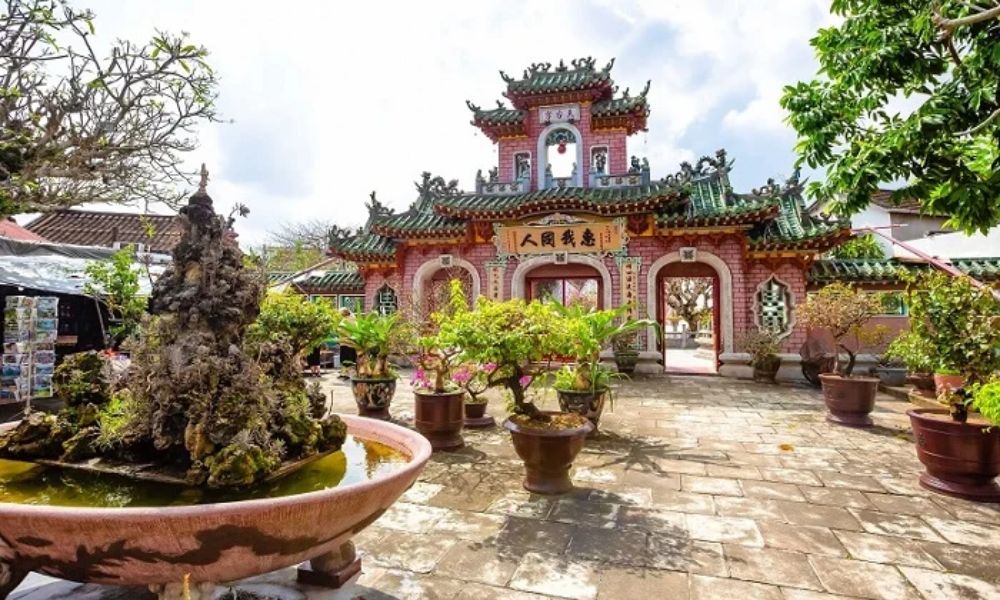
Figure 2. The spacious area behind the main gate of the Fujian Assembly Hall.
The architecture of the assembly hall clearly demonstrates a blend of traditional Chinese style and local cultural elements. Characteristic details such as the curved tiled roof, wooden frame, and relief decorations bear the strong imprint of the Chinese diaspora. Meanwhile, the use of materials and adaptation to the central climate show an intermingling with local architecture.
Feng shui is also an important factor in the design of the meeting hall. The building is usually constructed according to the principles of balancing yin and yang, welcoming natural wind and light. The spacious courtyard in front acts as a regulator of air, creating energy flow and, according to Eastern beliefs, attracting wealth.
Outstanding architectural features
The first striking feature of the Phuc Kien Assembly Hall is its magnificent triple-arched gate, with its vibrant colors and elaborate decorative details. The gate is designed to be tall and imposing, creating a sense of solemnity and marking the boundary between the everyday space and the sacred area inside.
Stepping through the gate leads to a spacious courtyard. This open space allows natural light to enter, creating a sense of airiness throughout the entire complex and serving as a venue for many community festivals. Thanks to this open space, visitors always feel comfortable while touring, despite the complex’s considerable size.
The main hall is the most important area of the assembly hall, where the Goddess Thien Hau, the patron deity of fishermen and sea merchants, is worshipped. The space of the main hall exudes solemnity with the scent of incense, soft lighting, and a system of ancient horizontal plaques and couplets.

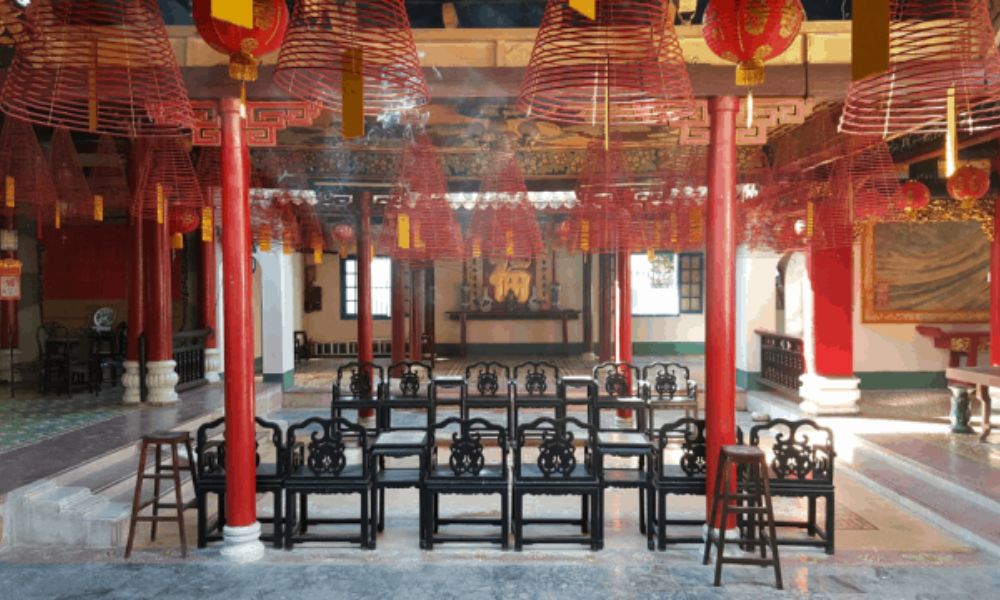
Figure 3. Interior space of the Fujian Assembly Hall
Surrounding the assembly hall is a system of exquisitely crafted stone statues, incense burners, and reliefs. These details not only enhance the aesthetic appeal but also reflect the religious life and spiritual culture of the Chinese community.
The roof of the building uses traditional yin-yang tiles, which help regulate temperature and drain water effectively in rainy climates. Combined with this are the exquisite wood carvings on the rafters and load-bearing frame, showcasing the skillful craftsmanship of ancient artisans.
Artistic value and cultural symbolism
The architecture of the Phuc Kien Assembly Hall is not only impressive in terms of scale but also contains many cultural symbols with profound meanings.
The imagery of dragons and phoenixes appears frequently in architectural decorations. Dragons symbolize power and prosperity, while phoenixes represent nobility and good fortune. This combination reflects the Chinese community’s aspiration for a prosperous and peaceful life.
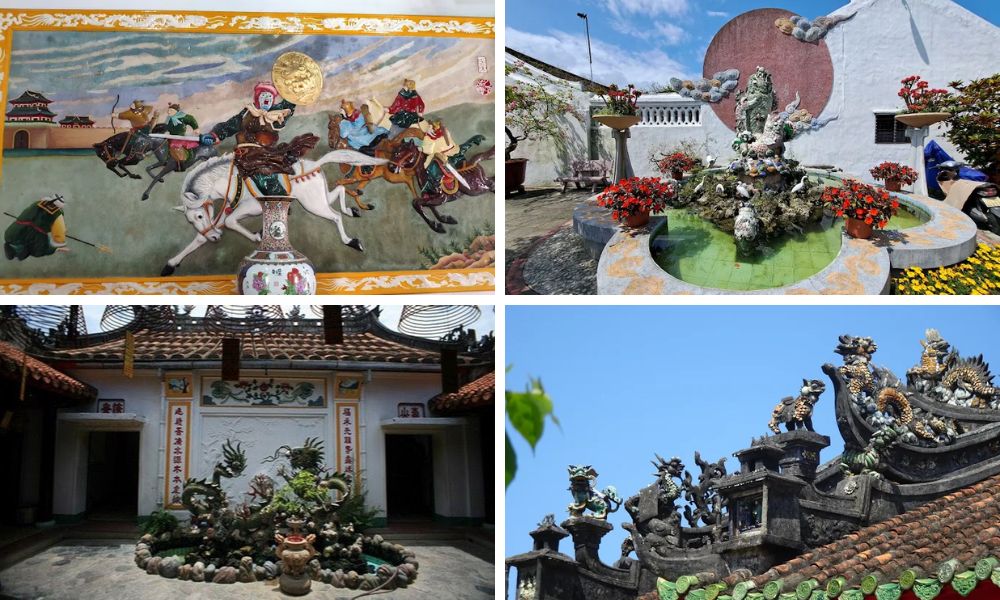
Figure 4. Images of dragons and phoenixes appear frequently in architectural decoration.
The ceramic art decorating the roof is also a special highlight of the building. Colorful ceramic pieces are meticulously assembled to create vivid bas-reliefs depicting ancient legends and folk tales.
Inside the worship area, mythical creatures such as unicorns, carp transforming into dragons, or tiger-shaped ornaments all carry their own feng shui meanings. These symbols represent strength, wealth, and protection, contributing to the sacredness of the hall’s space.
Thanks to its harmonious blend of architectural art and cultural symbols, the Fujian Assembly Hall is not only a historical monument but also a work of art that vividly reflects the spiritual life of the Chinese community in Hoi An.
Who is worshipped at the Fujian Assembly Hall? What is its special spiritual significance?
Upon entering the tranquil and incense-filled space of the Fujian Assembly Hall, many visitors often wonder who is worshipped here and why this structure is considered one of the most sacred spiritual destinations in the ancient town. In reality, the assembly hall is not only a community gathering place but also an important religious center for the Fujian Chinese community in Hoi An for centuries.
The worship practices at the assembly hall reflect the spiritual life of the ancient maritime merchant community, who always believed in the protection of deities during their stormy voyages. It is this profound spiritual element that makes it unique, attracting visitors today seeking peace, good fortune, and prosperity.
Thiên Hậu Thánh Mẫu – the patron goddess of fishermen
The most important deity worshipped at the Phuc Kien Assembly Hall is the Goddess Tian Hou. She is considered the patron goddess of seafarers, protecting fishermen and merchants from storms and ensuring their safe return.
For the Chinese community who migrated by sea, the Goddess of Heaven holds immense spiritual significance. Before each voyage, they often visit to pray for a safe journey and prosperous business.
Therefore, the main hall of the assembly hall was built solemnly to worship this deity. The worship space is always filled with the scent of incense, creating a sacred and tranquil atmosphere for visitors when they enter.
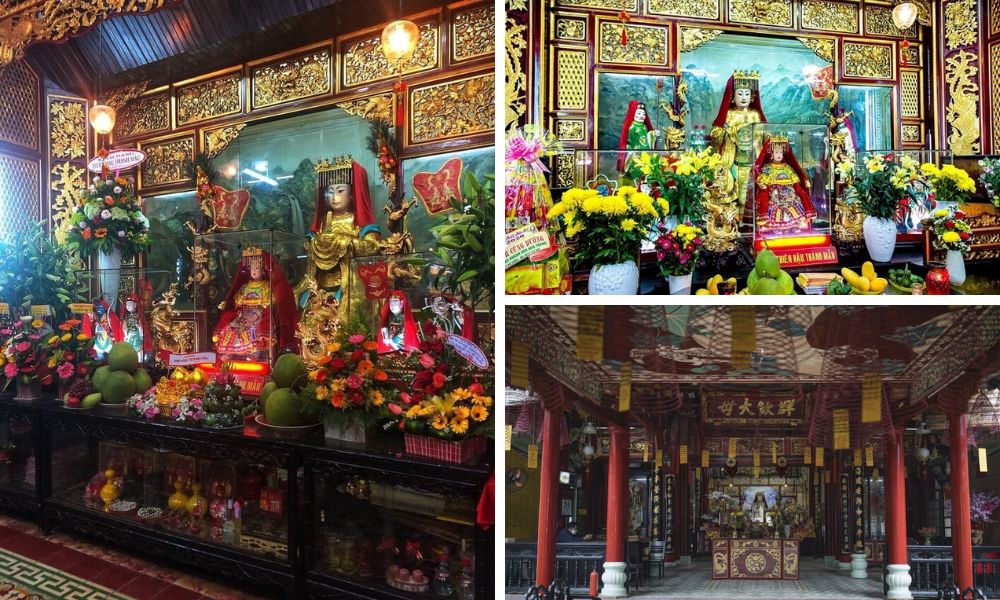
Figure 5. Thien Hau Thanh Mau is the deity worshipped at the Phuc Kien Assembly Hall.
The guardian deities are worshipped at the Phuc Kien Assembly Hall.
Besides the Goddess Thien Hau, the assembly hall also worships many other guardian deities according to the folk beliefs of the Chinese people.
These deities represent practical desires in life such as peace, wealth, health, and numerous descendants. This diverse worship helps the community hall become a place for spiritual beliefs passed down through generations.
Each worship area within the assembly hall is solemnly arranged with statues, incense burners, and offerings. Visitors can easily sense the reverence of the local people as they come to offer incense and pray.
If you want to elevate your culinary experience after your sightseeing trip, explore Official List of Hoi An Restaurant Michelin to choose a high-class destination.
The tradition of praying for children is renowned for its sacredness at the Fujian Assembly Hall.
One of the unique religious aspects that makes the Fujian Assembly Hall well-known to many tourists is the sacred custom of praying for children.
Many couples struggling with infertility believe that sincere prayers at the temple will bring them good fortune in having children. Therefore, it frequently welcomes visitors who come to offer incense and express their wishes for family happiness.
It is the folk beliefs passed down through generations that have created a distinctive spiritual culture, contributing to the attraction of the assembly hall not only for local people but also for tourists from all over.
Traditional rituals of the Chinese community
The Fujian Assembly Hall is where many important traditional ceremonies of the Chinese community in Hoi An take place.
During major festivals, people gather here to hold ceremonies, offer incense, and perform rituals to pray for peace. The festive atmosphere becomes solemn yet warm, reflecting the spirit of community cohesion.
These rituals not only hold spiritual significance but also contribute to preserving the traditional customs and practices of the Chinese diaspora. They also provide an opportunity for the younger generation to better understand their roots and national culture.
The spiritual role of the Fujian Assembly Hall in modern life.
Despite enduring centuries and witnessing numerous historical changes, the Fujian Assembly Hall continues to play an important role in the spiritual life of the Chinese community in Hoi An.
Today, the community hall not only serves the religious needs of the local people but also is a spiritual destination for domestic and international tourists. Many people come here to pray for peace for their families, success in their work, and good fortune in life.
Amidst the hustle and bustle of modern life, the community hall still retains its sacred space and traditional values, becoming a spiritual anchor for many generations.
It is this connection between the past and the present that makes the Fujian Assembly Hall not only a historical monument but also a vibrant religious center in the heart of Hoi An’s old town. If you are planning a trip Hoi An travel 2026, the assembly hall is definitely a must-see stop on your heritage exploration journey.
How much is the entrance fee to the Fujian Assembly Hall? What are the latest opening hours?
When planning a visit to the Old Quarter, one of the most frequently asked questions is: How much does it cost to enter the Fujian Assembly Hall, and do I need to buy a separate ticket? This is important information to help you manage your budget and plan your itinerary effectively, especially if you want to explore multiple historical sites in a single day.
The good news is that visiting the assembly hall is quite convenient as it’s included in the Old Quarter’s general ticket system. Visitors just need to be aware of the ticket prices, opening hours, and a few other things to ensure a more fulfilling experience.
Phuoc Kien Assembly Hall – Updated Entrance Fee Prices
Currently, tourists do not need to buy a separate ticket for the Fujian Assembly Hall because this site is included in the list of historical sites on the Hoi An Ancient Town tour route.
Entrance fees are applied according to visitor group.
- Vietnamese tourists pay around 80,000 VND per adult.
- International tourists pay approximately 120,000 VND per adult.
With each ticket, visitors can choose to visit up to three historical sites, including assembly halls, ancient houses, and museums in the Old Quarter. This makes the cost of visiting much more economical and flexible compared to buying individual tickets for each site.
Opening hours of the Fujian Assembly Hall in Hoi An
The Phuoc Kien Assembly Hall is usually open to visitors during the day, typically from around 8 a.m. to 5 p.m.
Morning is the ideal time to visit because the air is cool, the atmosphere is quiet, and there aren’t too many tourists. Visitors can easily observe the architecture and take photos in the soft light.
In the afternoon, especially after 3 PM, the weather is more pleasant and suitable for combining a visit to the assembly hall with a stroll through the old town and admiring the lanterns at night.
During major festivals of the Chinese community, the assembly hall may receive more visitors, and opening hours are sometimes adjusted to accommodate religious activities.
If you want a change of scenery after exploring the old town, you can head to the beach and relax beach bars in Hoi An with a relaxing atmosphere and lively music.
Is the Fujian Assembly Hall included in the Old Town tour ticket?
The Fujian Assembly Hall is one of the important historical sites included in the Hoi An Ancient Town sightseeing ticket system.
This means that when purchasing an Old Quarter ticket, visitors can enter the assembly hall without needing to buy a separate ticket. Upon entry, staff will check and tear off a slip from your ticket booklet.
Thanks to the unified ticket policy, tourists can proactively choose the places they want to visit instead of being forced to follow a fixed route.
Things to note when buying tickets to the Phuoc Kien Assembly Hall.
Tourists should buy tickets at official ticket counters around the Old Quarter to ensure the correct price and for easier ticket checking.
Tickets are valid for one day only, so you need to plan your sightseeing schedule carefully to avoid wasting them. If you’re traveling in a large group, it’s best to buy tickets at once for easier management.
When visiting, tourists should keep their tickets carefully as they may be checked at various historical sites within the Old Quarter.
Knowing the information about the Fujian Assembly Hall, including ticket prices and opening hours, will help you plan your visit more effectively, save money, and fully enjoy the experience of exploring the heritage site in the heart of Hoi An ancient town.
Festivals and cultural events at the Phuoc Kien Assembly Hall
Not only is it distinguished by its ancient architecture and long-standing historical value, the Fujian Assembly Hall is also the center for many important festivals and cultural events of the Chinese community in Hoi An. If you visit during a festival, you will have the opportunity to clearly feel the traditional religious atmosphere, community cohesion, and unique cultural beauty preserved through many generations.
The festivals at the community center are not merely tourist attractions but retain the spirit of traditional rituals. This is what creates a unique appeal for those who want to explore the depth of local culture.
Besides visiting religious sites, many tourists also spend time exploring other areas ancient houses in Hoi An – These residential buildings are historically significant and well worth a visit while strolling along the heritage streets.
The biggest annual Tian Hou festival is held at the Phuoc Kien Assembly Hall.
The festival honoring the Goddess Thien Hau is the most important and largest event of the year at the Fujian Assembly Hall. It is an occasion for the Chinese community to express their reverence to the patron goddess of fishermen and maritime merchants.
On the main festival day, the community hall becomes bustling with incense smoke and crowds of people coming to offer prayers for peace. The sacrificial rituals are conducted solemnly according to traditional customs, reflecting the deep spiritual beliefs of the community.
For tourists, this is a rare opportunity to observe authentic religious life rather than simply visiting architecture. The sacred space, combined with the vibrant colors of ceremonial attire and offerings, creates a particularly unforgettable atmosphere.
Traditional rituals of the Chinese community
During important festivals, the community hall hosts many traditional rituals that reflect the rich cultural identity of the Chinese people.
The rituals of offering incense, making sacrifices, and reciting prayers are performed in a strict sequence. Participants wear traditional attire, demonstrating solemnity and reverence for the deities.
In addition to the main rituals, the community also organizes bonding activities such as gatherings of fellow countrymen, sharing blessings, and wishing each other good fortune. These activities contribute to maintaining unity and cultural identity within the Chinese community in Hoi An.
A vibrant festive atmosphere at the Phuc Kien Assembly Hall in Hoi An.
During major festivals, the Fujian Assembly Hall becomes more vibrant than usual. The red hues of lanterns, banners, and traditional costumes create a solemn yet lively atmosphere.
Visitors can easily sense the harmonious blend of spiritual elements and community culture. The sounds of drums and gongs, along with the scent of incense, create a sacred atmosphere at the festival.
This setting offers an authentic experience of the cultural life of the Chinese community, helping visitors gain a deeper understanding rather than just observing the surface of a historical site.
Time of holding important festivals
Festivals at the Phuoc Kien Assembly Hall usually take place according to the lunar calendar, with the Thien Hau festival being the most important event and attracting a large number of locals and tourists.
In addition, the community hall also organizes many other ceremonies on occasions such as the Lunar New Year, prayers for peace, and traditional anniversaries of the Chinese community.
To fully experience the festive atmosphere, visitors should check the schedule before their trip to plan their time accordingly.
Experience cultural tourism at the Fujian Assembly Hall.
Attending the festival at the Fujian Assembly Hall offers a much deeper cultural tourism experience than a typical sightseeing trip.
Visitors can not only admire the ancient architecture but also immerse themselves in the religious atmosphere of the local community. Witnessing traditional ceremonies helps you better understand the role of the assembly hall in the spiritual life of the Chinese community in Hoi An.
These experiences add unique value to the tour, transforming the heritage exploration journey into a vibrant cultural and historical discovery in the heart of the old town.
Local experiences visiting the Fujian Assembly Hall.
If you visit the Phuoc Kien Assembly Hall merely as a typical tourist attraction, you’ll easily miss out on many interesting experiences related to its architecture, culture, and religious life. For the locals, the assembly hall is not only a historical site but also a sacred spiritual space that is familiar in their daily lives.
Therefore, to make your visit more fulfilling, you should have some practical experience regarding the best time to visit, how to dress, and things to keep in mind when exploring this unique place.
The best time to take photos at the Phuoc Kien Assembly Hall.
According to local experience, early morning is the ideal time to take photos at the assembly hall. From around 8 to 9 a.m., the gentle sunlight shines on the courtyard and the rows of ancient buildings, making the architectural colors stand out without being too harsh.
At this time of year, there are fewer visitors, so you can freely choose your photo angles without people getting in the way. The quiet atmosphere also helps you fully appreciate the ancient and sacred beauty of the structure.
The afternoon after 3 PM is also when the sunlight is softer, perfect for photos with a warm and classic feel. This time is also ideal for visiting rooftop cafes in Hoi An, admire the panoramic view of the tiled roofs of the old town in the sunset light.
Appropriate attire when entering the Fujian Assembly Hall
The Fujian Assembly Hall is a sacred place of worship, so respectful attire is always preferred. Visitors should choose neat, modest clothing and avoid outfits that are too short or expose the shoulders.
The light-colored, elegant outfits are not only suitable for the religious setting but also help the photos harmonize better with the ancient architecture.
If visiting on a hot day, you can still choose comfortable clothing, but you should maintain the necessary respect when entering the sacred area.

Figure 6. Foreign tourists visiting the Fujian Assembly Hall.
Highlights of photo opportunities at the Phuoc Kien Assembly Hall in Hoi An.
One of the most popular spots for tourists is the triple-arched gate area, with its vibrant architecture and elaborate decorative details. This is an easily recognizable location and a perfect spot for taking photos that capture the essence of Chinese culture.
The tranquil courtyard inside the assembly hall is also an ideal space for taking photos thanks to the abundant natural light. From here, visitors can capture the entire scene of the curved tiled roofs and the row of old houses in the background.
The main hall and the wooden corridors evoke a sense of antiquity and solemnity, making them ideal for artistic photographs or capturing traditional architecture.
Ideal time to visit
To fully explore the Phuoc Kien Assembly Hall, visitors should allocate approximately 30 to 45 minutes. This amount of time is sufficient to discover the overall architecture, visit the worship area, and take souvenir photos.
If you enjoy learning about culture and beliefs, you can spend more time observing the carvings, reading the introductory information, and feeling the sacred atmosphere inside.
Planning your time proactively helps you avoid feeling rushed and fully enjoy the value of the historical site. For a more fulfilling trip, you can refer to additional suggestions Best Things to Do in Hoi An You Must Try in 2026 in order to discover more exciting activities.
Notes on proper conduct in spiritual settings.
When visiting the Fujian Assembly Hall, tourists should maintain a respectful attitude and speak softly. Running, jumping, or making noise should be avoided, especially in the worship area.
To protect the historical site, avoid touching statues, ancient artifacts, and offerings. If you wish to light incense, observe how locals do it and follow their instructions.
Maintaining a mindful attitude while visiting not only helps preserve heritage values but also demonstrates respect for the spiritual life of the Chinese community in Hoi An.
With just a few things to keep in mind, a visit to the Fujian Assembly Hall will be relaxing, insightful, and provide a memorable cultural experience in the heart of the old town.
Fujian Assembly Hall – A unique spiritual and cultural heritage site of the Old Quarter.
The Fujian Assembly Hall is not merely an ancient architectural structure located in the heart of Hoi An’s old town, but also a place that embodies the unique historical, cultural, and spiritual values of the Chinese community for over three centuries. From the traces of a bustling international trading port era to the sacred religious space preserved to this day, the assembly hall has become a “living witness” reflecting the cultural depth of the ancient city.
Historically, the building marks the settlement and development of the Fujianese Chinese community in Hoi An. Architecturally, the assembly hall stands out with its blend of traditional Chinese style and local elements, creating an overall majestic yet harmonious structure. In terms of spiritual culture, it continues to maintain traditional rituals, becoming an important spiritual anchor for many generations of local residents.
It can be said that the Phuoc Kien Assembly Hall is the most representative example of the cultural heritage of the Chinese community in Hoi An. Its ancient atmosphere, distinctive architecture, and rich religious life make it a must-see destination when exploring the ancient town.
If you have the opportunity to visit Hoi An, you should take the time to visit the Phuoc Kien Assembly Hall Hoi An to gain a deeper understanding of the history of the trading port, traditional architecture, and spiritual life of the local community. From the assembly hall, you can easily combine your visit with a stroll through the heritage streets, visit ancient houses, enjoy local cuisine, and experience the tranquil pace of life characteristic of the old town.
Therefore, exploring the Fujian Assembly Hall is not just a visit to a historical site, but also a cultural experience that helps visitors get closer to the soul of the ancient city of Hoi An. If you combine your trip to Central Vietnam with a festival season, you can also visit Da Nang to enjoy the Da Nang International Fireworks Festival 2026 – DIFF 2026 with world-class light shows.

Post on: 11/03/2026 04:21


