

Before becoming a quiet ancient town with shimmering lanterns like today, the banks of the Hoai River used to be a place of ‘above and below boats’, covered with flags and banners of foreign merchant ships. To fully understand the soul of this heritage land, we cannot ignore the most brilliant chapter in the Hoi An history, a period when this place was known to the world as the famous Faifo trading port. Let’s go back in time to find that golden age, which witnessed the bustling exchange between Vietnamese, Japanese, Chinese and Western cultures.
Why is Hoi An’s history so special?
Among the many ancient cities in Asia, Hoi An is one of the rare places that can be respectfully called a “living museum” of the history of Asia-Europe trade. Unlike other cities that only have traces left, Hoi An still retains not only the architecture, but also the lifestyle, culture and spirit of a trading port that was the busiest in the region from the 15th to the 19th century.
This is what makes Hoi An’s history different. The past here is not frozen into a static relic; it is still present every day in the lives of the people, in the old houses that are still in use, in the traditional crafts that are still maintained, and in each dish that bears the mark of the fusion of Japanese, Chinese, Vietnamese and Western.
Hoi An is a place where history is not only told, but lived. When you walk into the old town, you not only see the layers of time on the yellow walls or the yin-yang tiled roofs, but also feel the flow of trade, migration, cultural blending and how the people have preserved that memory through the generations.
Instead of presenting history as a dry timeline, this article will take a different approach: dissecting Hoi An’s history along the most important streams – trade, culture, architecture and life. Through that, you will understand why Hoi An is not just a tourist destination, but a living heritage, a complete picture of the East-West history that lasted for more than 500 years.
Let’s explore Hoi An through the lens of history, culture and people to see that every step in the ancient town carries the echoes of the past, and every experience here is a continuation of the heritage story.

Figure 1. Hoi An ancient town at night
Strategic geographical location creates the foundation for the formation of an international trading port.
To understand why Hoi An became one of the busiest international trading ports in Asia from the 15th to the 19th century, we must first look at the special geographical location of this land. It was no coincidence that Japanese, Chinese, Indian, Portuguese or Dutch merchants all chose Hoi An as an important stopover on their sea voyages. Hoi An possessed ideal natural conditions for maritime trade – something that few ports in the region at that time achieved.
Thu Bon River: the vital route connecting the sea with the inland
The Thu Bon River is the most important factor that contributes to the prosperity of Hoi An. This large, calm and less silted river not only makes it easy for ships to enter and exit, but also acts as a connecting traffic route:
- Western mountainous region of Quang Nam (full of forest products, cinnamon, honey)
- Fertile plains
- And Cua Dai beach opens to the ocean
- The exchange of goods along the Thu Bon River has created a vibrant life, helping Hoi An become a transit center for domestic and international goods.
In particular, the wide and deep riverbed allowed large merchant ships to dock right in the old town, something that many other coastal areas of Vietnam at that time did not have.
Cu Lao Cham – the perfect “stop” on the maritime silk road
Located less than 20km from Hoi An by sea, Cu Lao Cham is like a natural shield protecting ships from storms. Thanks to its well-protected terrain, the Hoi An sea area has a very safe anchoring environment.
For long-distance trading caravans from Japan, China or Europe:
- Cu Lao Cham is a stop for water and shelter from the wind.
- Hoi An is a trading and exchange point of goods.
This combination created the conditions for Hoi An to thrive for centuries.
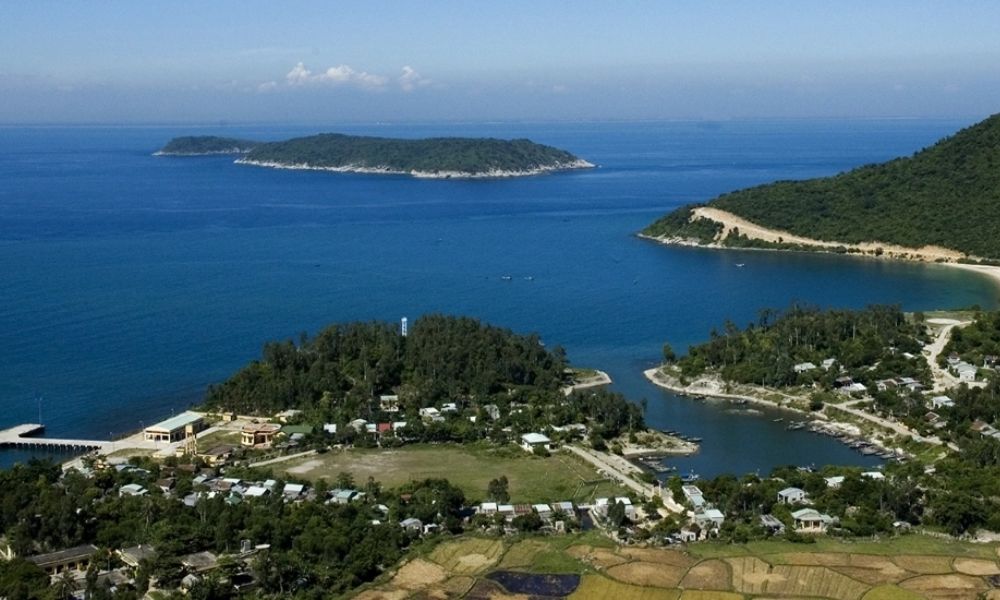
Figure 2. Cu Lao Cham Island
Hoi An ancient town is the intersection of international shipping routes.
In the Middle Ages, sea routes from East Asia to Southeast Asia and further to India, the Middle East, and Africa all passed through the central sea of Vietnam.
Hoi An is located right at the heart of this trade corridor, making it the perfect transit point between:
- Japan – China to Southeast Asia
- Southeast Asia to India
- India to the West
Therefore, Hoi An is not only rich but also quickly accepted cultural, religious, architectural and culinary flows from all over the world.
Why did foreign traders choose Hoi An over other trading ports?
Throughout Vietnam’s history, there have been many trading ports, but Hoi An is more attractive because:
- Safety of sea lanes and anchorage areas:Not too shallow, not too deep, few storms, sheltered by Cu Lao Cham – this is a very rare advantage.
- River system convenient for exchanging goods:From Hoi An, goods can go up to the mountains, down to the plains or out to sea without major obstacles.
- The open policy of Lord Nguyen(a dynasty in the feudal history of Vietnam): During the 16th-17th centuries, Lord Nguyen issued many open-door policies, creating favorable conditions for foreign merchants to trade. This is the reason why the Japanese, Chinese and Europeans chose Hoi An as a trading post.
- Diversity of domestic goods
Quang Nam is famous for cinnamon, silk, sugar, Chu Dau pottery, agricultural products… which are the source of goods sought by international traders.
Archaeological evidence reinforces Hoi An’s role as a trading port
Many excavations in Hoi An show:
- Japanese pottery pieces from the Edo period
- Chinese ceramics of the Ming and Qing dynasties
- Chu Dau pottery, Sa Huynh pottery
- Artifacts from India, Persia and Europe
This proves that Hoi An was once a global trading center, where goods were continuously exchanged for hundreds of years. Not only that, the Sa Huynh – Cham – Viet cultural layer in this area shows that Hoi An had an economic role long before its peak development period.
The strategic geographical location laid the foundation for Hoi An to become an international trading port. From here, the multicultural architecture, rich cuisine and mixed lifestyle were formed – the values that make Hoi An become the world heritage that it is today.
The historical flow of Hoi An through 4 major “pulling forces” with different perspectives on a trading port that created heritage
The history of Hoi An is not a series of discrete milestones, but a continuous flow shaped by four important pulling forces: economic, cultural, political-administrative and natural. These four forces have created a brilliant Hoi An in the trading port period, ups and downs with regional fluctuations, then revived as a world heritage site preserved almost intact. This is also an approach that helps us understand more deeply why Hoi An is different from all other ancient towns in Vietnam.
Economic pull – Faifo port: East-West trade gateway
From the 15th to the 19th century, Hoi An – also known as Faifo – was the leading international trading port in Southeast Asia. The prosperity of this urban area stemmed from its vibrant maritime economy, where goods from many places converged, exchanged and then spread across the continents.
Products that made the reputation of the port
Hoi An is famous for its high-value, internationally popular products:
- Quang Nam silk is soft and smooth and is especially loved by Japanese traders.
- Sugarcane, one of the main export products
- Tra My Cinnamon, famous throughout Asia for its strong aroma and high essential oil
- Ceramics, especially Chu Dau ceramics and Hoi An ceramics
- Agarwood, a precious wood, is transported from the mountains along the Thu Bon River to the port.
It was these products that created a prosperous economy, attracting merchant ships from all over the world.
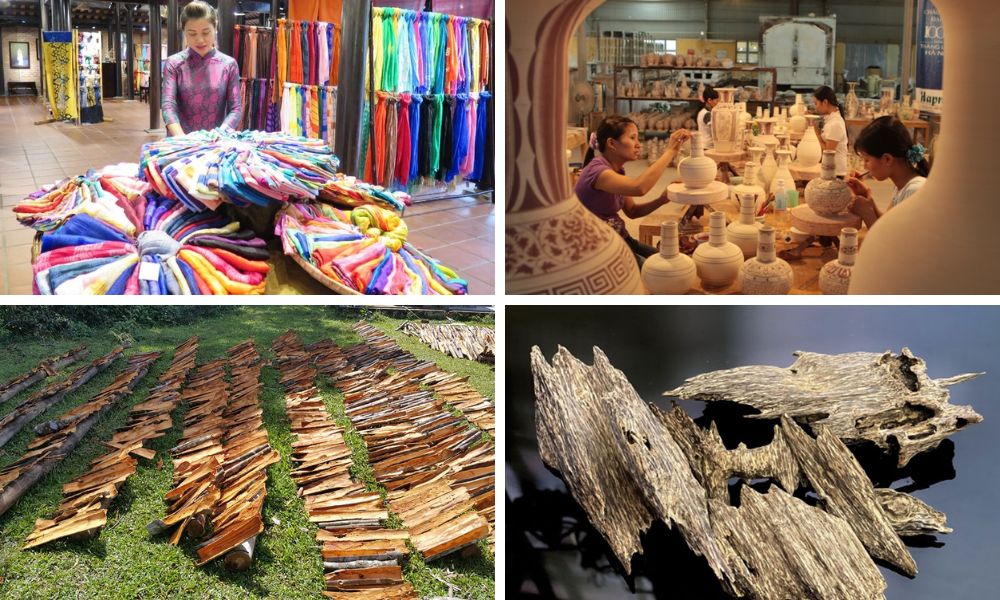
Figure 3. Famous products traded at the ancient Hoi An port
The emergence of foreign traders – a major growth driver
Merchant ships from:
- Japan (Edo period)
- China (especially the Ming Dynasty Chinese)
- Portugal, Netherlands, Spain
- Then came the British and French merchants.
Their presence not only promoted trade, but also changed the urban landscape, forming Japanese neighborhoods, Chinatowns, and rows of merchant houses with a blend of Asian and European styles.
The cash flow changed the urban structure of Hoi An: Long tube houses, yin-yang tiled roofs, warehouses, shops… were direct products of the bustling trading period. Until now, they are still intact, becoming living proof of the once prosperous maritime economy.
Cultural pull – Hoi An: where civilizations “overlap”
Hoi An is not only a place for trade but also for cultural exchange. Many great civilizations have met here, leaving a deep mark on the architecture, cuisine and life.
Champa influence
Before the Vietnamese expanded to the South, Hoi An belonged to the Champa region, so Cham culture strongly influenced:
- Pottery
- Belief in god worship
- Some foods and spices (such as cinnamon, turmeric, chili)
Japanese influence:Japanese merchants once established a Japanese town in Hoi An. The most prominent landmark is the Japanese Covered Bridge, a symbol of friendship and trade. Many noodle-making techniques and cooking methods are also influenced by Japan (shown in the dish Cao Lau).
Hoa Influence – Minh Huong community:The Chinese came to Hoi An to set up assembly halls, bringing with them splendid architecture and unique cuisine. Many dishes such as wontons, dumplings and banh vac… all have Chinese influences but have been transformed into Hoi An food special
Western influence:From the 16th–17th centuries, Portuguese, Dutch, English, and French traders brought:
- The art of shipbuilding
- Construction engineering
- Arched door, European pattern
These cultural layers blend to create a Hoi An unlike any other city in the region.
Political-administrative pull: power changes, trading ports transform
The political background in each period strongly influenced the development – and decline – of the trading port of Hoi An.
Hoi An in the Champa period:It was an important transit point in the trade system of the Cham kingdom.
Le – Mac – Trinh – Nguyen period: golden period:Especially when Lord Nguyen opened trade, Hoi An became an international trading port, attracting Japan, China and the West.
Nguyen Dynasty – role shifted to Da Nang:By the 19th century, the Thu Bon River began to silt up, while Da Nang was more convenient for military and administrative purposes. The main trading port was moved to Da Nang, reducing the economic role of Hoi An.
French colonial period – Hoi An “sleeps peacefully”:Because it is no longer an economic center, Hoi An is fortunate to not be heavily urbanized like other cities, helping to fully preserve its ancient architecture.
*Further explanation:
- The Le – Mac – Trinh – Nguyen dynasties are the royal dynasties in Vietnam’s feudal history.
- The French colonial period is the period when Vietnam was colonized and occupied by French colonialists, from 1884 to 1945.
Natural pull – environment: Hoi An adapts to survive
Nature is both an advantage and a challenge for Hoi An.
Erosion of Thu Bon River:When the river changed its course and silted up, large ships could not dock, weakening the commercial port.
Central Vietnam weather and impact on shipping routes:Climate change causes international shipping routes to shift, reducing the number of merchant ships coming to Hoi An.

Figure 4. Hoi An in the rainy season
Hoi An reduces its role but keeps its heritage soul intact:Because it was less affected by the wave of industrialization, Hoi An preserved all of:
- Ancient house architecture
- Communal houses, temples, assembly halls
- Traditional living space
This helped Hoi An become a world cultural heritage in 1999 – a rare “living museum” that is still fully present.
Four forces – economic, cultural, political and natural – have created a unique Hoi An. An ancient city that is both turbulent and proud, peaceful and vibrant; a place where history continues to breathe in every street corner and in every story of its people.
Historical stages of Hoi An through time
Hoi An was not only built from bricks and tiles, but also built up by layers of culture spanning thousands of years. From the first traces of the ancient Sa Huynh culture, to the golden age of the famous Faifo trading port, and the quiet notes before its brilliant revival as a World Heritage Site. Each passing period left indelible marks on this land. Let’s go back in time to better understand the spectacular transformation journey of this land through each historical era.
Before the 10th century: Champa cultural foundation – the first brick for Hoi An trading port
Before the Vietnamese people discovered Quang Nam, this place belonged to the Champa kingdom, a powerful civilization on the central coastal strip. The Cham people were good at navigation, well-versed in international trade and soon took advantage of the strategic location of the Thu Bon River – Cua Dai – Cu Lao Cham to trade with India, Arabia and China.
Champa influence laid important foundations:
- The port – market – craft village system was formed during the Cham period.
- Pottery, weaving, and spice trading are products of the Cham people.
- International trade created the premise for Hoi An to develop strongly when the Vietnamese took over.
It can be said that without the foundation of the Cham people, Hoi An could hardly have exploded into a global trading port later.
15th–17th centuries: The golden age of Faifo trading port – the most brilliant period in Hoi An’s history
This was the most glorious period, when Hoi An (Faifo) became the leading international trading center in Southeast Asia. Hoi An’s economy and culture reached their peak, creating the appearance of the ancient town that we see today.

Figure 5. Bustling Faifo port through old photos
Japanese train stops – “golden relations” during the Edo period
Japanese merchants considered Hoi An a strategic trading point:
- The Shuinsen ship docked every year to buy silk, sugar, and cinnamon.
- Wealthy Japanese merchants settled there permanently, establishing the Japanese quarter.
- The Japanese Covered Bridge was built as a symbol of friendship.
- Many historical documents record that Hoi An was once “the commercial capital of Southeast Asia in the eyes of Japan”.
Chinese merchants formed the Minh Huong community:The Chinese came to Hoi An to open assembly halls, establish guilds, and bring with them culture, architecture, and cuisine. They contributed to the appearance of the old town: lanterns, assembly halls, and merchant houses.
Western traders – Portuguese, Dutch, British, French:Hoi An became an important transit point in the global maritime network.
They bring:
- Money
- Shipbuilding engineering
- European goods
- Architectural influence
Prosperity is evident in the urban areas.
- Merchants built up side by side
- Bustling market and marina
- Long, narrow, deep ancient houses for trading
- Unique blend of multicultural architecture
This is the period that created the “Hoi An heritage” – the foundation for the UNESCO title later.
And amidst that brilliant cultural exchange, Chau Kitchen & Bar like a modern version that continues the “multicultural” spirit of Hoi An. Located in an ancient house over 100 years old on Tran Phu street – the street that used to be a bustling commercial route of Faifo, the restaurant offers a space that is both ancient and luxurious, true to the old Hoi An style. This is also the place where the spirit of Asian-European trade in the past is recreated through cuisine in the most delicate way.
As a Hoi An Fusion Restaurant notably, Chau Kitchen & Bar harmoniously combines Asian and European cuisine, creating a rich menu from European pasta, fresh seafood, Japanese-Vietnamese salads, to creatively transformed Hoi An specialties. Among them, the most prominent is the dish Iron Beefsteak Hoi An– Premium beef is cooked directly on a hot cast iron pan, retaining its tenderness and rich flavor, like a “masterpiece” representing the fusion of Western technique and Eastern inspiration.
In the warm yellow light, the smell of ancient wood and the decorative details typical of Hoi An, enjoying dinner at Chau is not only delicious food but also a continuation of the spirit of Hoi An in the international trade period. A place where the past and the present meet, where flavors – space – emotions blend to create an unforgettable culinary experience.
- Address: 141 Tran Phu, Minh An Ward, Hoi An Ancient Town
- Phone: 0903529377
- Opening hours: 08:30 – 22:30
- Website: https://chaukitchenandbar.vn/
- Facebook: https://www.facebook.com/Chaukitchenhoian
- You can book a table directly through the website: Reservation
- Rating on Google Map: 4.8/5.0
- TripAdvisor Rating: 4.8/5.0
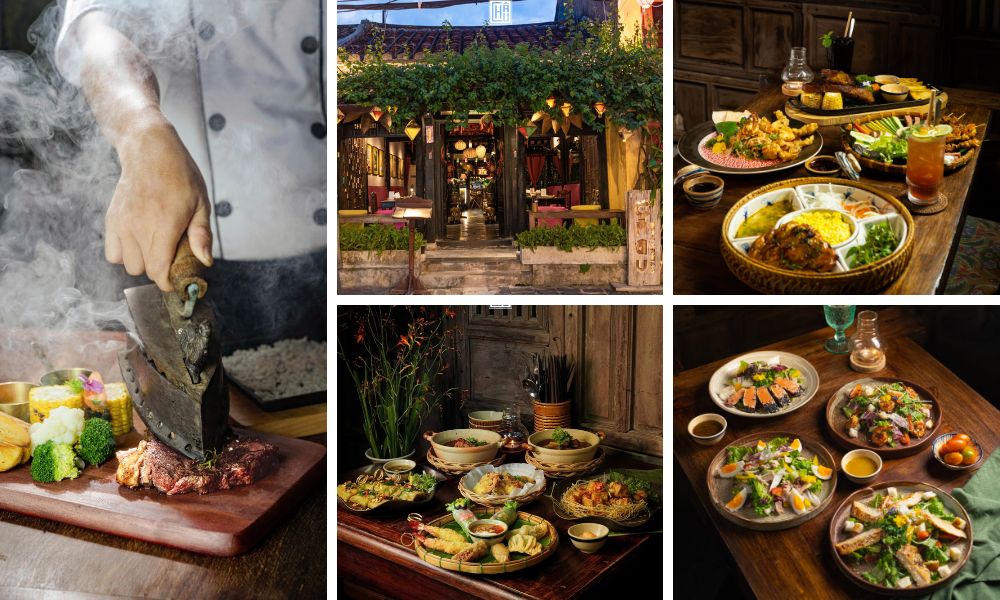
Figure 6. The best restaurant Hoi An – Chau Kitchen and Bar
18th–19th centuries: Declining status – as trade flows changed
Hoi An’s decline was not due to a single cause, but the sum of many changes:
Thu Bon River is silted up
- The riverbed is drying up.
- Large ships cannot dock
- Traders gradually moved to deeper water areas.
Da Nang emerged as a military-administrative port.
- During the Nguyen Dynasty, the court chose Da Nang as the main gateway for trade.
- Commercial activities are concentrated in Da Nang instead of Hoi An.
International turmoil causes Japan to shrink trade:The “closed-door” policy prevented Japanese ships from coming to Hoi An.
Western trade changes direction:Empires shifted priority to larger, more strategic ports
All of this makes Hoi An gradually “fade” and fall into a long sleep, but thanks to that, its traditional architecture is still intact.
20th century: War but Hoi An luckily kept its ancient architecture intact
During the 20th century, Vietnam went through many wars to gain independence and freedom, but Hoi An was lucky:
- Not the center of the fight
- Not destroyed by bombs
- Not heavily urbanized like Da Nang, Hue, Saigon
As a result, the old town remains almost intact, from tiled roofs, wooden bridges to assembly halls and ancient houses. People still maintain their traditional lifestyle, creating a “living museum” that the world greatly appreciates.
After 1999: UNESCO and the second “rebirth” of Hoi An
When was Hoi An Ancient Town recognized by UNESCO? On December 4, 1999, Hoi An was recognized as a World Cultural Heritage. This was a turning point that brought Hoi An into the renaissance era.
- Strong impact after UNESCO
- Tourism booms, local economy grows
- Ancient buildings are restored and scientifically preserved.
- Traditional crafts return
- Hoi An Cuisine world famous
- The rapid increase in international visitors creates new interactions
From a “sleeping” trading port, Hoi An entered a second period of prosperity, but in a more sustainable and cultural direction than economic.
Hoi An’s history is a journey through prosperity, decline, and rebirth. Understanding these stages helps visitors not only visit but also deeply feel the soul of the ancient town – where every roof, street, and dish bears the mark of hundreds of years of cultural exchange.
Important historical events that “shaped” Hoi An today
Hoi An’s history is not only made up of ups and downs, but also of turning points, which determined how the ancient town was formed, developed and left behind the valuable heritage it has today. These events not only changed the socio-economic situation of Hoi An in the past, but also had a profound impact on the cultural, architectural and identity of the ancient town in the 21st century.
Hoi An – the place where Japanese ships traded most heavily in Southeast Asia (17th century)
The 17th century is considered the golden age in Hoi An’s history. This was the time when Japanese trading ships (Shuinsen) continuously docked at Hoi An, turning it into one of the largest Japanese trading centers in Southeast Asia.
Why do Japanese people choose Hoi An?
- Prime location: safe, deep river, few storms
- Rich products: silk, sugar, cinnamon, agarwood, pottery
- Open door policy of Lord Nguyen
- Vietnam – Japan friendship at that time
Japanese ships came not only to buy goods, but also to build a permanent Japanese community. A Japanese quarter once existed in the heart of Hoi An, as shown by:
- Marriage relationship between Japanese merchants and Vietnamese women
- Japanese influence in cuisine and crafts
- Traces of Japanese culture are scattered throughout the old town.
The presence of the Japanese created a unique cultural layer, directly influencing Hoi An’s architecture and commerce.
Learn more: The Best Japanese Restaurants in Hoi An: Discovering the Quintessence of Japanese Cuisine
Hoi Ai Nghia – the largest inland trading point of the Thu Bon river system
A little-known but important event was the formation of the Ai Nghia Association – the largest inland trade center of Thu Bon and a transit point for goods from the mountains to the sea.
Role of the Association:
- Collecting products from the mountains: cinnamon, honey, precious woods, agarwood
- Transport to Hoi An via Thu Bon River
- From Hoi An, goods are traded internationally.
This proves that Hoi An is not only a seaport but also a hub connecting domestic and international economic networks, creating a rare commercial power at that time.
The role of Chinese families – evidence of strong cultural exchange
After the collapse of the Ming Dynasty, many Chinese fled to Southeast Asia, including Hoi An. They established the Minh Huong community – one of the communities that had the strongest influence on the history and culture of Hoi An.
Chinese contributions to the old town
- Establishment of large assembly halls: Fujian, Chaozhou, Guangdong
- Bringing trade and crafts, creating a vibrant economy
- Importing customs, beliefs and festivals
- Create signature dishes such as wontons, dumplings and banh vac
The Chinese were the driving force behind Hoi An’s rapid development after the decline of Japanese traders. The colorful assembly halls are their “living heritage.”
The story of why the Japanese Covered Bridge became the symbol of Hoi An?
The Japanese Covered Bridge is not only a unique architectural work but also a symbol of the cultural exchange between Japan, Vietnam and China.

Figure 7. Hoi An Covered Bridge
Origin of the Japanese Covered Bridge:According to legend, the Japanese Covered Bridge was built by Japanese merchants in the early 17th century to pray for peace and to connect the Japanese and Vietnamese residential areas.
Why did the Japanese Covered Bridge become a symbol?
- Japanese architecture but Vietnamized and Sinicized over time
- It is a rare bridge that is both a bridge and a pagoda.
- Existing for more than 400 years and still maintaining its value
- Representing the spirit of exchange – the essence of Hoi An itself
The Japanese Covered Bridge is like a condensed historical story: just looking at it one can see a whole process of cultural encounters that lasted for centuries.
These events are more than just memorable milestones. They profoundly shape Hoi An’s identity:
- Golden age of international trading port
- Japanese – Chinese – Vietnamese Interaction
- River culture, commerce and religion
- Multi-layered, multi-level but harmonious architecture
- Slow lifestyle but rich in historical depth
That is why Hoi An is not only beautiful but also “soulful” – a heritage that makes visitors remember forever after just one visit.
Historical significance of Hoi An ancient town
Historical significance of Hoi An ancient town is a living heritage site, not only preserving the past, but also showcasing a living heritage – where trade, culture and architecture have been intertwined for over 500 years. Hoi An is a testament to the prosperous period of the Faifo trading port, where Japan, China, Vietnam and the West met and exchanged goods and culture.
The value of Hoi An lies not only in its ancient buildings or the vestiges of its trading port, but more importantly, in its traditional way of life that is still maintained, from ancient house architecture to trading customs, cuisine and beliefs. This is also the reason why Hoi An is recognized by UNESCO, becoming one of the few ancient towns that still retains its structure and soul intact.
In other words, Hoi An has special historical significance because it allows visitors to see an important part of Vietnamese and Asian history – not through museums, but through the daily lives of the ancient town’s residents.
Hoi An and the problem of conservation and future development
Hoi An is known to the world as a “living museum”, where the past and present blend together in every roof, street, and way of life. But preserving that beauty is not easy. In the context of booming tourism, climate change, and growing economic development needs, Hoi An is facing a difficult problem: how to develop without losing its soul?
Solving this problem is not only related to the government or international organizations, but also a common effort of the whole community.
Balancing tourism and conservation: the core problem of a living heritage
Tourism brings in a large amount of revenue, helps people have stable jobs, promotes services and trade. However, the downside of overtourism is:
- Many streets become crowded, putting pressure on heritage spaces
- The need for home renovation and construction innovation is becoming stronger.
- Over-commercialization easily loses its inherent rusticity.
Hoi An’s secret in recent years is to apply a sustainable tourism development model, specifically:
- Limit motor vehicles in the old town
- Encourage traditional materials in construction
- Developing services while still preserving the architecture and planning of the old quarter
- Create satellite tourist areas to reduce congestion in the central area
- These solutions help Hoi An remain crowded with tourists without destroying its cultural structure.
Major challenges threaten Hoi An in the future
1. Concreting and urbanization:Tourism development entails the need to build hotels, homestays, and services. If not controlled, concreting can spread to heritage buffer zones, destroying traditional landscapes.
2. Climate change and rising sea levels
- As an urban area located next to Hoai River and Cua Dai beach, Hoi An is facing:
- Flooding is getting worse
- Erosion of Cua Dai beach
- Rising sea levels threaten residential areas and monuments
This is a long-term challenge that requires strategies for coastal protection, tidal control and nature conservation.
3. Flooding during the rainy season – part of the culture, but still a high risk:Floods are a feature of Hoi An, even becoming “part of the ancient town’s memory”. But with the current climate change, floodwater levels are rising and difficult to predict, posing a great risk to ancient houses and people’s property.
4. Cultural mixing too quickly
- The large number of international visitors and diverse services put Hoi An at risk:
- Loss of culinary identity and traditional lifestyle
- The Old Quarter is too “Westernized”
- Indigenous values are overshadowed by the demands of tourist tastes.
Conservation projects implemented by UNESCO and local authorities
Preserving an ancient town that is over 400 years old is not a matter of a day or two. UNESCO and the Hoi An government have implemented many long-term programs such as:
- Preserving ancient houses according to international technical standards
- Funding support for restoration of households living in the old quarter
- Protecting Cua Dai beach with ecological dyke system
- Preserving traditional crafts: lanterns, Kim Bong carpentry, Thanh Ha pottery
- Restoring traditional festivals associated with the history of the commercial port
These projects help to both preserve value and keep the old town a living community rather than a static museum.
The role of the community – a decisive factor in preserving Hoi An’s identity
Without the community, there would be no intact Hoi An as it is today.
- People are the “gatekeepers” of heritage, demonstrated through:
- Maintaining traditional occupations
- Living in an old house and preserving the original architecture
- Keeping a gentle, friendly lifestyle – the soul of the old town
- Participate in tour guiding, cultural performances, festival preservation
- Support community projects, protect the environment and old town space
- It is this pride and sense of community that helps Hoi An retain its original character despite the ever-changing tourism landscape.
The future of Hoi An depends on the ability to balance economic development – cultural preservation – environmental protection. With the cooperation of the people, the government and the international community, Hoi An can absolutely continue to be a “living heritage” – where the past and present blend together, creating a city that is both sustainable and full of life.
Hoi An’s history is a never-ending flow, woven from international trade, cultural exchange, unique architecture and the lifestyle of people who have preserved the heritage over the centuries. Hoi An not only has a glorious past, but the future of the ancient town is also built from that historical foundation. If you want to truly “touch living history”, come to Hoi An and feel it with all your senses and continue to follow the website to discover more fascinating stories of culture – cuisine – local experiences.

Post on: 04/12/2025 21:13


