

Nestled beside the poetic Hoai River, Hoi An ancient town is like a rustic painting that captivates anyone who has ever visited. Not noisy or bustling, this place attracts tourists by the quiet beauty of moss-covered tiled houses, yellow walls stained with time and the shimmering red of lanterns every night. It seems that the hustle and bustle of modern life has accidentally forgotten this place, leaving behind a peaceful Hoi An old town with intact memories of the past hundreds of years.
Why is Hoi An ancient town so special?
There are places where, when you arrive, you feel as if time slows down, the pace of life softens and your soul suddenly becomes strangely peaceful. Hoi An is such a place. When the lanterns begin to light up on each moss-covered tiled roof, when the sound of rowing boats gently echoes from the Hoai River, many visitors say they feel as if they have just stepped into another world – where the past and present blend together without any pressure.
Hoi An is special not only because it is beautiful, but because it is beautiful in a way that makes people remember forever. This is a place where ancient architecture, cultural heritage, peaceful lifestyle and exquisite cuisine naturally coexist. Every street corner, every yellow wall, every herbal scent, every gentle cry contains the story of hundreds of years of history.
What makes Hoi An “addictive” to international tourists?
- Not only Vietnamese people love Hoi An; many foreign tourists call it “the most charming town in Asia”. The reason is because Hoi An has a harmony that few destinations possess:
- The architecture is a fusion of Vietnamese, Japanese, Chinese and French, but strangely harmonious.
- History is preserved intact in every roof, every bridge, every dish.
- The people are friendly and gentle, making visitors feel welcome.
- Diverse, sophisticated cuisine, imbued with identity but still accessible
- Culture is lived, not just displayed – from festivals, traditional crafts to everyday customs
All create a Hoi An that is gentle yet profound, peaceful yet lively, simple yet incredibly attractive.
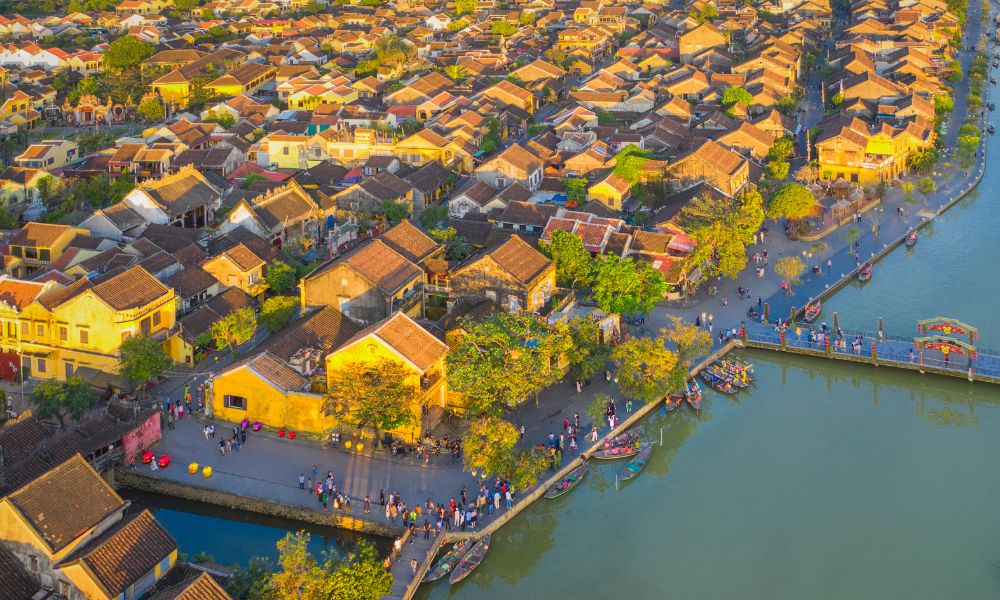
Figure 1. Hoi An ancient town seen from above
Hoi An ancient town from a historical and cultural perspective
To understand why Hoi An has become the most special destination in Vietnam, we need to look deeply into the history of its formation and the cultural values that have nurtured this land for hundreds of years. Hoi An is not only beautiful because of its ancient houses, yellow walls or brilliant lanterns; Hoi An is special because it was once the busiest port in Asia, a place where the cultures of the East and West met for centuries.
Hoi An was a bustling international port from the 15th to 19th centuries.
Since the 15th century, Hoi An (then called Faifo) has become an important trading center of the region. Merchants from Japan, China, India, Portugal and later from European countries continuously came to trade and exchange goods.
It is this intersection that has created a special urban area where:
- The Japanese built the trading post and the Japanese wooden bridge (Chua Cau)
- The Chinese established guilds and assembly halls, bringing with them architecture and cuisine.
- Indigenous Vietnamese people absorb and blend to create their own identity.
- Western merchants influenced architectural styles and trading culture.
Hoi An is not only a place for trading, but also a place where cultures blend and develop, creating a unique mark in Vietnamese history.
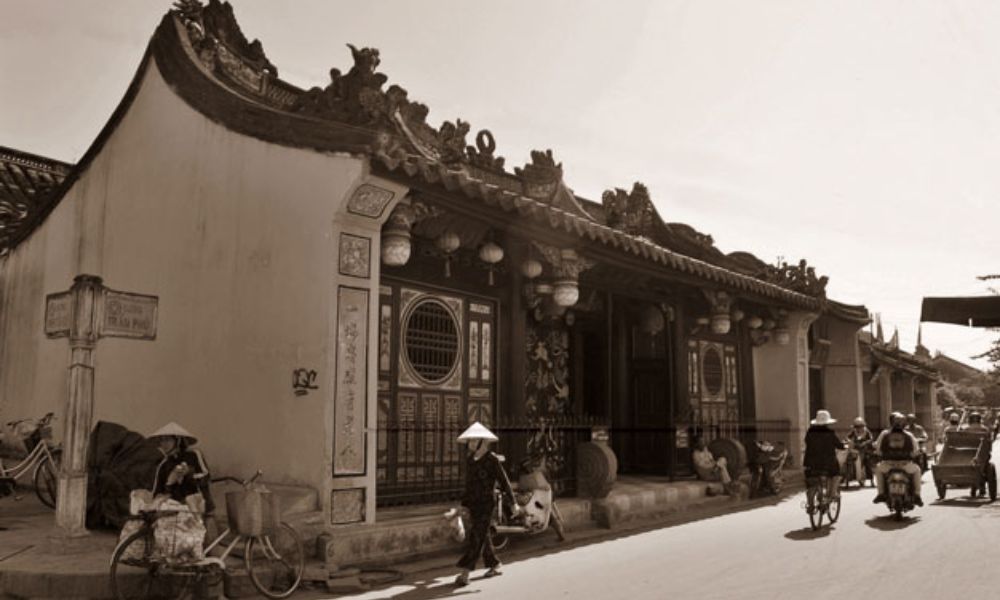
Figure 2. Ancient Hoi An
UNESCO recognized Hoi An as a World Cultural Heritage in 1999.
In 1999, UNESCO officially recognized Hoi An as a World Cultural Heritage. The criteria for this title show the extraordinary value of the ancient town:
1. Unique architectural value:Hoi An is one of the few ancient towns in the region that still retains its original urban structure: traditional wooden houses, shopping streets, communal houses – pagodas – temples, Chinese assembly halls, Japanese architecture and Western features blending delicately.
2. Long-standing cultural and historical values:Hoi An has retained the full imprint of its four-century history as an international trading port. Not only the architecture, but also the customs, cuisine, traditional crafts and lifestyle have been preserved almost intact.
3. Rare originality:Unlike many ancient towns that have been renovated in a modern direction, Hoi An still retains its streets, building materials, architectural style and traditional lifestyle – which makes visitors feel like they are entering a world of several hundred years ago.
What makes Hoi An different from other ancient towns in Vietnam?
There are many ancient towns in Vietnam, but none like Hoi An. What makes it special is that:
- Cultural fusion while remaining unified as a whole
- Peaceful space, no car horns, no crowded high-rise buildings
- Slow, gentle, and intimate lifestyle – something rarely seen in tourist cities
- Colorful cuisine, both Vietnamese and influenced by Japan, China and Portugal
- Living Heritage – Hoi An does not display heritage, but lives with heritage every day
Hoi An is different because it not only preserves buildings, but also preserves the life, spirit and memories of an ancient trading port.
Decoding Hoi An ancient town architecture in an easy-to-understand way – Why is it so beautiful and sustainable?
The architecture of Hoi An old town not only makes tourists “fall in love at first sight” but also makes researchers admire because of its rare sophistication, sustainability and harmony. What is special is that even after hundreds of years, many houses, assembly halls, pagodas and temples here still retain almost intact their ancient appearance. So what is the secret behind this timeless beauty?
Hoi An ancient house architecture: why can it last for hundreds of years and still be sustainable?
The houses in the old town are often tube-shaped – long and narrow, with the front for business and the back for living or a courtyard. This architecture helps:
- Good air circulation, cool in summer
- Reduce humidity, avoid termites and flooding
- Take advantage of natural light, save energy
Another highlight is the yin-yang tiled roof, a design that is both beautiful and scientific:
- Yin and Yang tiles help drain water well and do not leak even in heavy rain.
- Create air circulation under the roof, effective heat protection
- Sustainable, well adapted to the Central climate
The main construction materials are ironwood, ironwood, bamboo, soil, lime, all of which are suitable for the climate and have high durability. Thanks to that, despite experiencing floods, humidity and long periods of time, Hoi An ancient houses still stand firm as a living testament to history.
Multicultural influence through every architectural detail
Hoi An was once a bustling international trading port where many cultures met. This created an “architectural symphony” that was harmonious yet full of character.
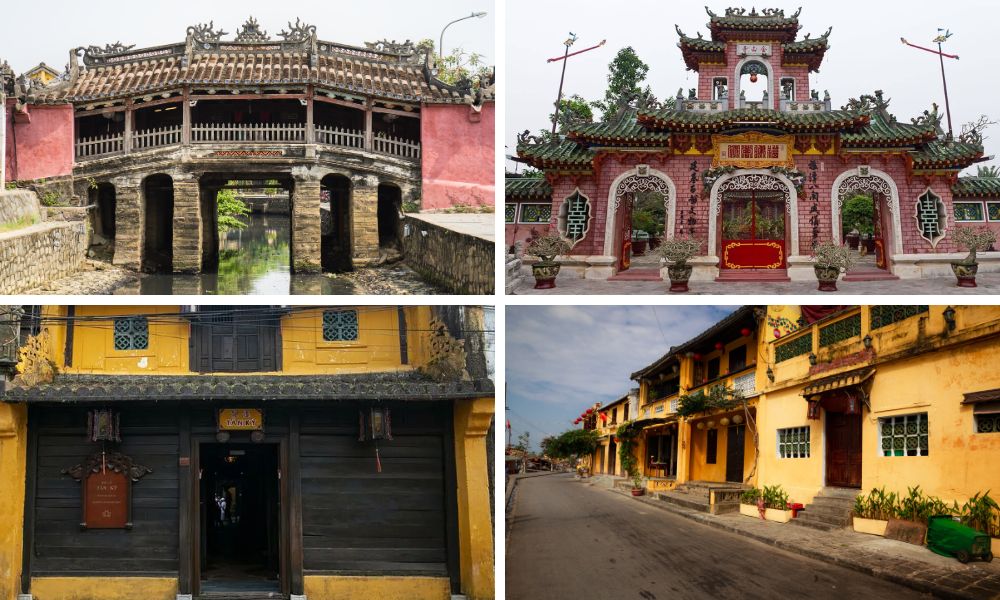
Figure 3. Some outstanding architectural works in Hoi An
1. Japanese Influence – Japanese Covered Bridge
The Japanese Covered Bridge is the clearest symbol of Japan-Vietnam exchange.
- Curved roof design, red painted wooden bridge
- The architecture is both a bridge and a pagoda, unique in Vietnam.
- Monkey statues and dog statues are details related to Japanese worship culture.
This is a work that demonstrates the period when Japanese merchants came to trade and live in Hoi An.
2. Chinese influence – assembly halls, lanterns, decorative motifs
Chinese (Fujian, Teochew, Cantonese, Hainan) brought:
- Assembly halls with sophisticated dragon and phoenix architecture
- Lantern hanging culture, later became a symbol of the old town
- Sophisticated wood carvings in ancient houses and arched doors
Chinese architecture makes Hoi An more brilliant, sophisticated and imbued with the depth of East Asian culture.
2. European influences – arches, merchant motifs, colors
Portuguese, Dutch and French traders brought Western styles:
- High arched doors create open space
- Some Gothic or Baroque decorative motifs
- Hoi An traders use balconies and wide windows to store and dry goods.
All blend together to create unique Hoi An architecture: not too Asian, not purely European – but a soft, delicate blend.
See more: European Restaurants In Hoi An Most Loved By International Tourists
Why does Hoi An have a distinctive yellow color?
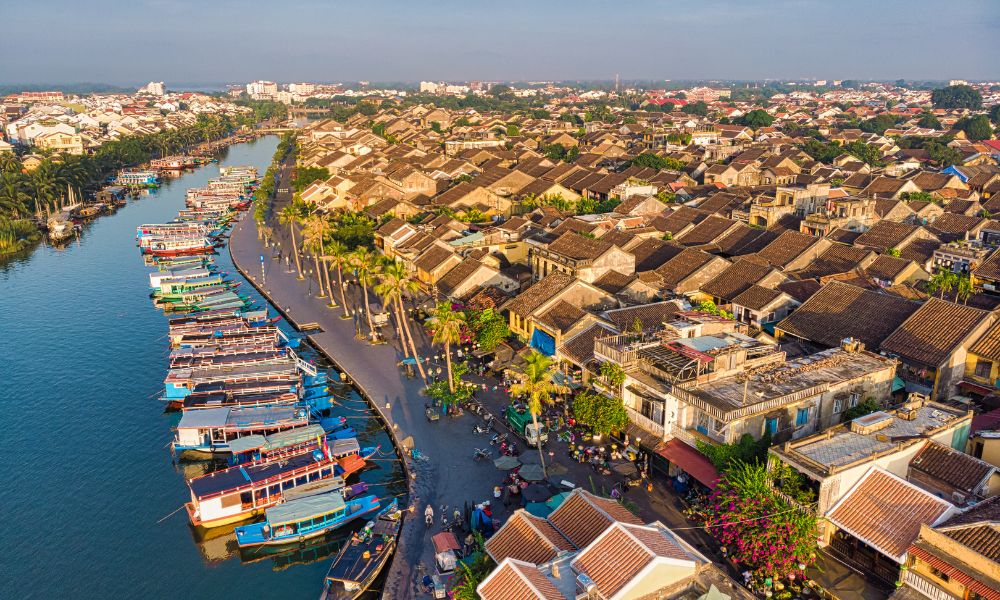
Figure 4. Ancient houses with yellow walls are located close together in Hoi An
One of the most recognizable features of Hoi An is the yellow color covering its ancient walls. But the yellow color was not chosen just because it was beautiful – it has many meanings:
1. Yellow symbolizes luck and prosperity:According to Eastern beliefs, gold is the color of wealth, luck and sustainability. The ancients believed that choosing gold would bring fortune to the family and business.
2. Yellow color lasts over time:
Wall materials in the past were mainly lime, soil, and plant resin. When mixed with earth yellow or turmeric yellow, the wall layer:
- Colorfast, not easy to fade in sun and rain
- Good moisture resistance, suitable for Hoi An climate
- Helps the house look warm and in harmony with nature
3. Yellow creates a unique visual identity:Thanks to its yellow color, Hoi An has become one of the most recognizable ancient towns in the world. The yellow light of the house walls combined with the red light of the lanterns at night creates a romantic, peaceful and very “Hoi An” scene.
Hoi An’s architecture is special because it is not only beautiful, but also vibrant and full of soul. Every detail – from the tiled roofs, yellow walls to the hanging lanterns – is a piece of history and culture spanning hundreds of years.
Experience Hoi An old town by time of day
One of the things that makes Hoi An special is that each moment of the day has its own emotions and beauty. If Hoi An in the morning is as gentle as a watercolor painting, then the afternoon is full of heritage, and the evening is brilliant and magical under the lantern light.
Exploring Hoi An through time helps visitors feel the true character of the ancient town: gentle – sophisticated – nostalgic but still full of vitality.
Morning – When Hoi An old town appears at its most original and peaceful
Morning is the best time to feel the “real breath” of Hoi An. When there are not too many tourists, when the sound of footsteps on the brick floor still echoes softly, when the early morning sunlight covers the yellow walls, Hoi An appears in its most rustic and genuine beauty.

Figure 5. Peaceful Hoi An ancient town in the morning
1. Go to Hoi An market – where people’s lives are most evident
Hoi An morning market is an important piece to understand the culture of the ancient town. Here:
- People buy and sell busily but still very gently
- The smell of Tra Que vegetables, fresh fish from Cua Dai, and Central spices blend together
- The sound of laughter and voices is cheerful and familiar.
This is also the ideal place to enjoy authentic Hoi An breakfast such as Cao Lau, Quang noodles or bread.
2. Sidewalk coffee – a true “slow living” moment
Sitting on a small chair on the sidewalk, sipping a cup of black coffee or Mot water, watching people slowly passing by – that is an experience that captivates many tourists. Hoi An morning has a tranquility that few places have.
3. Watching Hoai River in the morning:No noise, no flash, just calm water and small boats getting ready for a long day. This is the perfect moment to take poetic photos.
Afternoon – Ideal time to check-in architecture & visit relics
When the sun has cooled, the old town becomes the perfect space to explore the architectural works – cultural imprints remaining from the trading port era.
1. Japanese Covered Bridge – symbol of Hoi An
With its unique Japanese-Vietnamese architecture, the Japanese Covered Bridge is a must-see. In the afternoon, the gentle sunlight helps you easily take the most beautiful photos.
2. Tan Ky ancient house – a living heritage through many generations
One of the ancient houses with a history of over 200 years, completely preserving the architecture and lifestyle of the ancient Hoi An merchants. You will clearly see the harmony between Japanese – Chinese – Vietnamese architecture in every wooden detail and every room of the house.
3. Fujian Assembly Hall – vibrant Asian colors
The Assembly Hall is famous for its intricate carvings, lucky red color and picturesque landscape. This is the most favorite place for international tourists when exploring the old town.
Afternoon is the time when Hoi An fully reveals the beauty of its heritage – architecture – culture.
Suggest: Best Lunch Restaurant in Hoi An? Go to Chau Kitchen and Bar
Evening – When Hoi An is lit up with lanterns and at its most vibrant
And before immersing yourself in the brilliant atmosphere of Hoi An at night, take some time to visit Chau Kitchen & Bar to start the evening in a perfect way. Located in an ancient house over 100 years old right on Tran Phu street, the restaurant offers a standard Hoi An space – ancient, warm but still luxurious and romantic. This is the ideal place to enjoy dinner before walking around the city, when you want to recharge with delicate, beautiful and emotional dishes.
As a Hoi An Fusion Restaurant outstanding, Chau Kitchen & Bar skillfully combines Asian and European flavors, offering a diverse menu from pasta, seafood, salads to local dishes refreshed in an international style. In particular, the famous Iron Beefsteak Hoi An with the style of direct processing on a hot cast iron pan, still sizzling when placed on the table is a highlight not to be missed. Rich flavor, perfect tenderness and sophisticated presentation make this steak a great choice to start a night in the old town.
Enjoy a quality dinner at Chau Kitchen and Bar before releasing flower lanterns, walking around the lantern street or sitting by the Hoai River will help you gain more energy, relax your mood and fully feel the beauty of Hoi An in its most brilliant moment.
- Address: 141 Tran Phu, Minh An Ward, Hoi An Ancient Town
- Phone: 0903529377
- Opening hours: 08:30 – 22:30
- Website: https://chaukitchenandbar.vn/
- Facebook: https://www.facebook.com/Chaukitchenhoian
- You can book a table directly through the website: Reservation
- Rating on Google Map: 4.8/5.0
- TripAdvisor Rating: 4.8/5.0
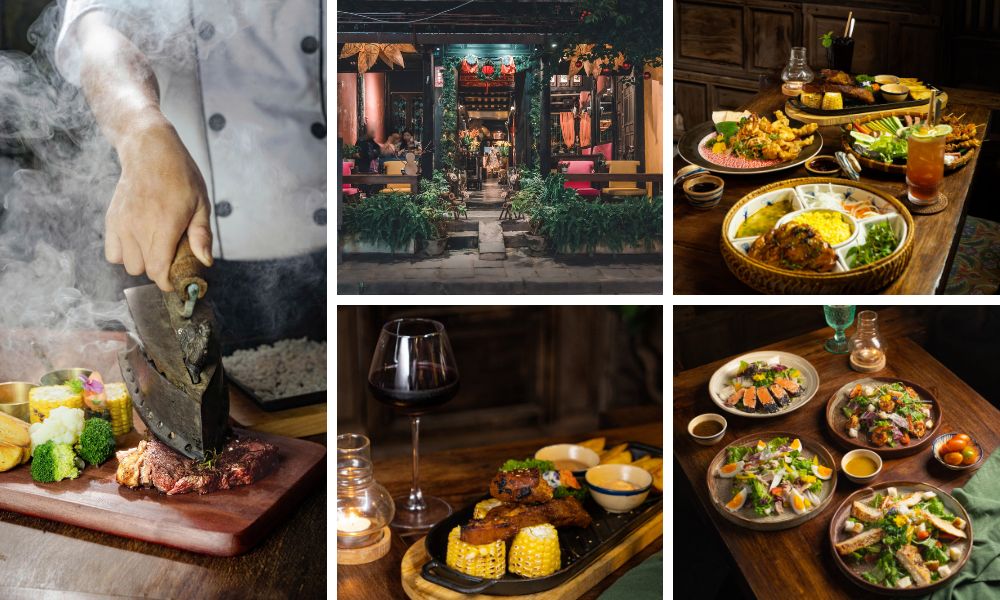
Figure 6. The best restaurant in Hoi An – Chau Kitchen and Bar
If Hoi An is peaceful during the day, the evening is the “soul” of the ancient town. When the sun sets, the lanterns begin to light up, turning Hoi An into a magical space like something out of a period film.
1. Floating lanterns – a spiritual connection experience
On the Hoai River, the brightly lit flower lanterns floated on the water, carrying wishes for peace. A small but culturally rich and very gentle moment.
2. Walking street – crowded but not chaotic
Tourists stroll the streets, watch the lanterns, shop, and enjoy street food. Folk music, lantern makers, and the smell of baked goods in the air – all create a lively experience of the old town.
3. Sitting by the Hoai River – living slowly in the true sense
With a glass Hoi An Mot water, a small chair and a sparkling scene before your eyes, visitors do not need to do much, just relax and feel. This is when Hoi An is most beautiful, poetic and memorable.
Hoi An at different times of the day is like three chapters of a piece of music:
- Peaceful morning
- Heritage afternoon
- A brilliant and emotional evening
Just one full day in Hoi An, you will understand why this place makes millions of tourists around the world so fascinated.
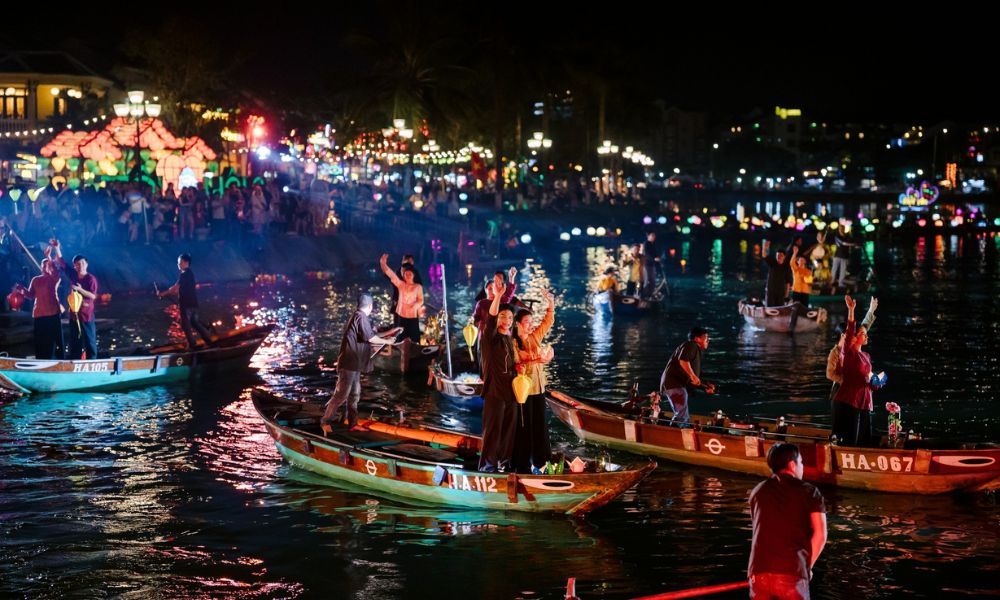
Figure 7. Many night activities in Hoi An that tourists can hardly miss
Hoi An Ancient Town Cuisine: Identity creates the soul of heritage
If the architecture, lanterns and Hoai River create the visual beauty of Hoi An, then the cuisine is what breathes life into the ancient town. It is not simply delicious food, Hoi An cuisine is a story of culture, trading port, people and hundreds of years of exchange. Each dish here carries a layer of memory, a philosophy of life and a part of the history of the heritage land.
Cultural meanings behind Hoi An’s iconic dishes
1. Cao Lau: “the port’s imprint” in miniature in a bowl of noodles
Cao Lau is not only a typical dish but also a testament to the cultural exchange during the period when Hoi An was an international trading port.
- Cao Lau noodles inspired by Japanese noodles
- The spices and way of eating are similar to Chinese dishes.
- The topping is imbued with Vietnamese spirit.
Hoi An people still keep the traditional secret: Cao Lau noodles are soaked in Ba Le well water, wood ash from Cu Lao Cham helps create the characteristic toughness. This is a popular dish but also has cultural depth.
2. Quang noodles: rustic yet rich Central spirit
Quang noodles clearly represent the character of Quang people: simple but full of identity. From fresh noodles, roasted peanuts, Tra Que raw vegetables to the little but fragrant broth – all combine to create a dish unlike anywhere else.
3. Banh bao – banh vac: the sophistication of ancient town cuisine
Nicknamed “white rose”, this dish demonstrates the ingenuity of Hoi An people.
- The cake crust is made from rice flour, so thin that you can see the filling inside.
- Shaped like a blooming flower, symbolizing elegant beauty
- The dish is influenced by China but adapted to Hoi An’s taste, becoming an “exclusive” dish of the old town.
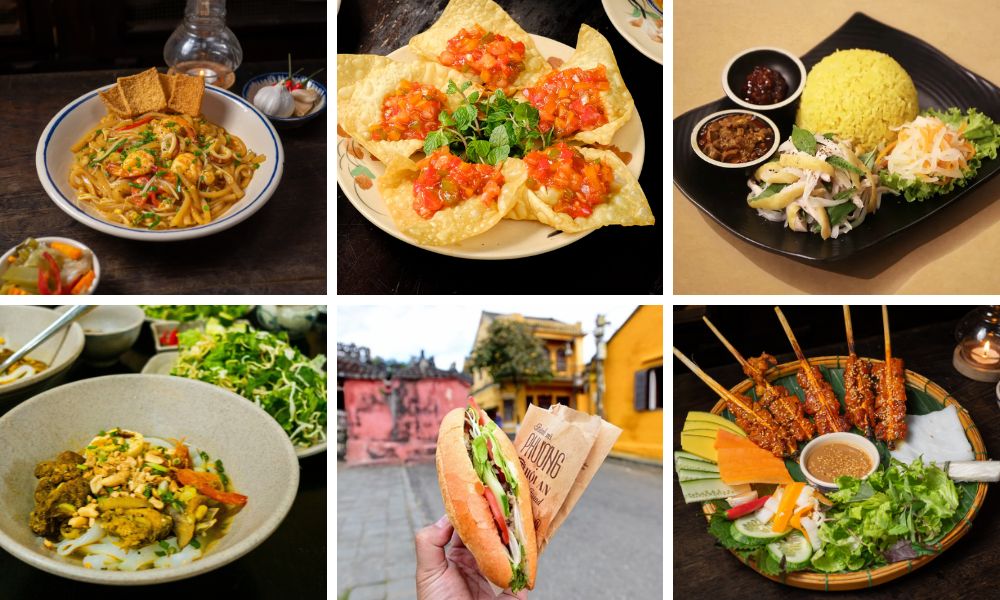
Figure 8. Some outstanding dishes in Hoi An’s diverse culinary scene
Hoi An cuisine is a fusion of Japanese, Chinese and Vietnamese cuisine.
Hoi An used to welcome merchants from Japan, China and many other countries to trade and live. Thanks to that, the cuisine here formed a delicate blend:
- Japan: influence on noodle structure, neat presentation style
- China: strong impact on wontons, noodles, dumplings and banh vac
- Vietnam: keeping the culinary soul with raw vegetables, fish sauce, and local spices
The wonderful thing is that despite absorbing many cultures, Hoi An people still maintain harmony, creating a unique identity.
Where to Eat in Hoi An?
1. Hoi An Market – where the most original flavors are preserved
Here, you can enjoy dishes such as Cao Lau, Quang noodles, bread, grilled pork vermicelli, sweet soup, etc. The market space helps visitors better understand the “simple but rich dining” culture of Hoi An people.
2. Old shops are places where traditions are preserved.
Cao Lau, Quang noodles, and banh bao and banh vac restaurants that are decades old all maintain their family recipes. This is the place to experience the most authentic flavors.
3. Traditional restaurant: culinary experience in the old town space
If visitors want to enjoy Hoi An dishes in a neat space, many traditional restaurants in the old town will offer:
- Good service experience
- Beautiful space, old town standard
- Rich menu, authentic but suitable for international taste
Hoi An cuisine is not just food, but the crystallization of history, culture and people’s life. Enjoy food Hoi An is the fastest way for visitors to touch the soul of the old town – a gentle, profound but full of identity soul.
Hoi An is one of the rare destinations in Vietnam where culture, history, architecture and cuisine blend together to create a living heritage. Every street corner, every dish, every experience bears the mark of time and centuries-old stories of cultural exchange. It is this harmonious combination that makes Hoi An a place that any visitor wants to return to. Whether you are looking for peace, want to explore local culture, or simply want to enjoy the cuisine of the ancient town, Hoi An always brings complete and unforgettable experiences.
Plan your trip and come to Hoi An to feel the beauty that cannot be conveyed through writing. And don’t forget to follow the website to update the latest articles about Hoi An tourism and useful content related to this heritage city.

Last updated: 05/12/2025 09:46


