


Amidst the hustle and bustle of time, Hoi An quietly preserves its nostalgic values through its moss-covered tiled roofs and characteristic yellow walls. The ancient houses in Hoi An are not merely exquisite wooden architectural structures, but also “living museums” telling the story of a once bustling trading port, one of the most prosperous in Southeast Asia. Join us as we step through the ancient wooden doorways to discover the unique beauty and historical mysteries hidden within these heritage houses.
Why are the old houses in Hoi An always the most sought-after?
The ancient houses in Hoi An are one of the core values that contribute to the ancient town’s World Cultural Heritage status. When searching for information about the ancient houses in Hoi An, most readers want to know three things: what makes Hoi An’s ancient houses special, which houses are worth visiting, and whether these houses are truly worth the time to explore.
In fact, the ancient houses of Hoi An are not just architectural structures over 200 years old. They once served as living and business spaces for merchant families during the period when Hoi An was one of the busiest international trading ports in Southeast Asia. Each house bears the mark of a blend of Vietnamese, Chinese, and Japanese influences, reflecting a turbulent yet prosperous period in history.
This article will help you understand the historical value of the ancient houses in Hoi An, know which famous ancient houses to visit, and provide a deeper perspective instead of just reading a simple list of suggestions.
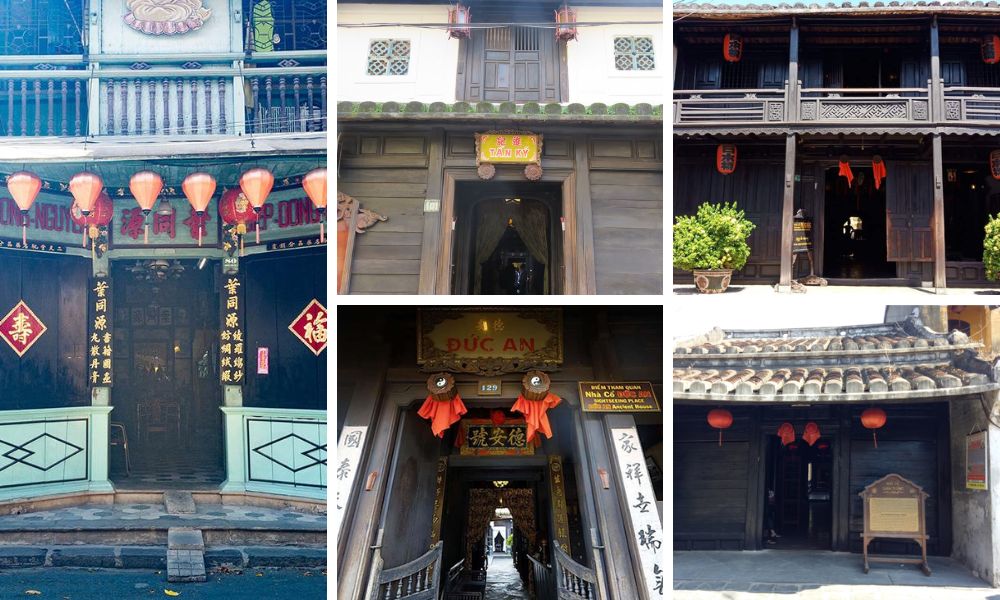
Figure 1. Famous old houses in Hoi An
What makes the ancient houses of Hoi An special compared to other places?
When researching the ancient houses in Hoi An, most readers not only want to see a list of tourist attractions but also want to know the true nature of these houses: why are they referred to as the soul of the ancient town, and how do they differ from ancient houses in Hue, Hanoi, or other ancient cities in the region?
The answer lies in three core elements: the context of an international trading port, the cultural fusion of architecture, and the fact that these houses remain living heritage rather than static exhibition spaces. It is this combination that gives the ancient houses of Hoi An their unique value, not only in Vietnam but also in Southeast Asia.
The history of the formation of ancient houses in Hoi An
To understand what makes Hoi An’s famous ancient houses so special, we need to go back to the 17th to 19th centuries, when Hoi An was one of the busiest trading ports in Southeast Asia.
During this period, merchant ships from China, Japan, Portugal, and many other countries frequently docked. Foreign merchants not only traded but also settled permanently, creating a multicultural community right in the heart of the ancient city.
The old houses in Hoi An are therefore not simply residences. They combine business and family life. The front serves as a shop, warehouse, and reception area, while the back and upper floors provide private living space. This model clearly reflects the characteristics of a prosperous trading port.
The influences of Vietnamese, Chinese, and Japanese architecture are evident in every detail. The Vietnamese preserved traditional house structures and worship spaces. The Chinese contributed carving art, couplets, and horizontal plaques. The Japanese left their mark on the wooden structures and facade organization. This fusion is what makes Hoi An’s ancient houses unique, unlike any other style, and a distinct identity formed from a long period of cohabitation.
Architectural features of Hoi An ancient houses
If you observe carefully, you will see that most of the old houses in Hoi An have a tube-like shape, narrow in width but very deep. This is not accidental. In the context of high-value commercial land, optimizing the depth helps homeowners both conduct business effectively and ensure ample living space.
The main structural material is teak or other types of strong, load-bearing hardwood. The traditional load-bearing frame is assembled using mortise and tenon joints instead of metal nails. This construction method is both flexible and ensures the structure’s durability over time. Over hundreds of years and through many major floods, many houses have remained standing thanks to this structural technique.
Another important feature is the skylight. This open space in the center of the house allows for natural light, ventilation, and rainwater drainage. In the hot, humid, and frequently flooded climate of Central Vietnam, this design clearly demonstrates the adaptable mindset of the ancient inhabitants.
Stepping into a famous ancient house in Hoi An, you’ll feel a clear transition in space from the front trading area to the living quarters inside. The light dims, outside sounds fade away, replaced by the tranquil atmosphere of old wood and the scent of time. This is an experience that online images can hardly convey.
The cultural value of famous ancient houses in Hoi An.
What sets the old houses in Hoi An apart from many other ancient structures is that they are still inhabited. This makes them living heritage, not just museums.
The ancestral worship space is always placed in the most prominent position in the house. The ancestral altar is usually located in the central room or on the upper floor, clearly demonstrating family values and the tradition of valuing one’s roots. Despite historical upheavals, wars, or natural disasters, many families have maintained this practice for generations.
The famous old houses in Hoi An are often associated with long-standing families. Descendants of former merchants still live there and directly share the history of the house. These oral traditions passed down through generations enhance the authenticity and cultural depth of the property.
From a firsthand perspective, the most valuable aspect is not just the wooden architecture or the yin-yang tiled roofs, but the feeling of stepping into a space with a continuous history spanning over two hundred years. The ancient houses in Hoi An preserve memories of an international trading port, family life, adaptation to nature, and how a community has maintained its identity over time.
Once you understand these factors, you will see that the value of Hoi An’s ancient houses lies in their cultural depth and historical continuity, not just their outwardly antique beauty.
5 of the most famous and representative ancient houses in Hoi An.
If you’re looking for the 5 most famous and worthwhile ancient houses in Hoi An and want to understand why they’re important instead of just looking at a suggested list, the following will give you a specific and in-depth perspective. These are all typical representatives of the ancient town’s ancient structures, clearly reflecting the history of the trading port and the lives of its inhabitants over many centuries.
Instead of spreading myself too thin, I will focus on the core values of each house, from its architecture to its cultural depth.
Tan Ky Ancient House – A symbol of Hoi An’s ancient houses.
When mentioning ancient houses in Hoi An, the name Tan Ky almost always comes to mind first. This house was built more than 200 years ago and has been managed and preserved by descendants of the family for many generations.
What makes Tan Ky Ancient House so special is the clear fusion of Japanese, Chinese, and Vietnamese architecture within a single space. The wooden frame and facade design show Japanese influence, while the carvings and couplets reflect Chinese spirit. Meanwhile, the worship space and overall structure retain strong Vietnamese traditions.
Upon entering, you’ll see the typical tube-shaped structure of an old Hoi An house. The front houses the business space, while the back contains the family living area. A central atrium provides light and drainage. Notably, a wooden pillar still bears the water marks from major floods in history, demonstrating the family’s enduring resilience over hundreds of years.
Why is this considered the most famous ancient house in Hoi An? Not only because of its age or central location, but also because of its almost perfectly preserved state. This house helps visitors best understand the structure, life, and spirit of a former merchant family.
Read detail: Tan Ky Old House – A heritage site over 200 years old in the heart of Hoi An ancient town

Figure 2. Tan Ky Ancient House
Phung Hung Ancient House – A rare two-story architectural masterpiece.
Among the ancient houses in Hoi An, Phung Hung Ancient House stands out for its rare two-story architecture. The foundation is built higher than the street level to mitigate the effects of flooding, a characteristic of the Central Vietnam climate.
The house is much wider than many other old houses, creating a sense of spaciousness. The wooden doors can be flexibly removed and reinstalled, serving both business purposes and ensuring natural ventilation. The entire interior wooden structure has remained almost entirely original over time.
The preservation value of the Phung Hung Ancient House lies in its family continuity. The family still lives there and directly recounts the history of the house. This makes the visiting experience not just about viewing the architecture, but about listening to the story of how a family overcame floods and economic upheavals while still preserving their traditional space.
Read detail: Discover Phung Hung Ancient House: A cultural heritage site over 240 years old in Hoi An
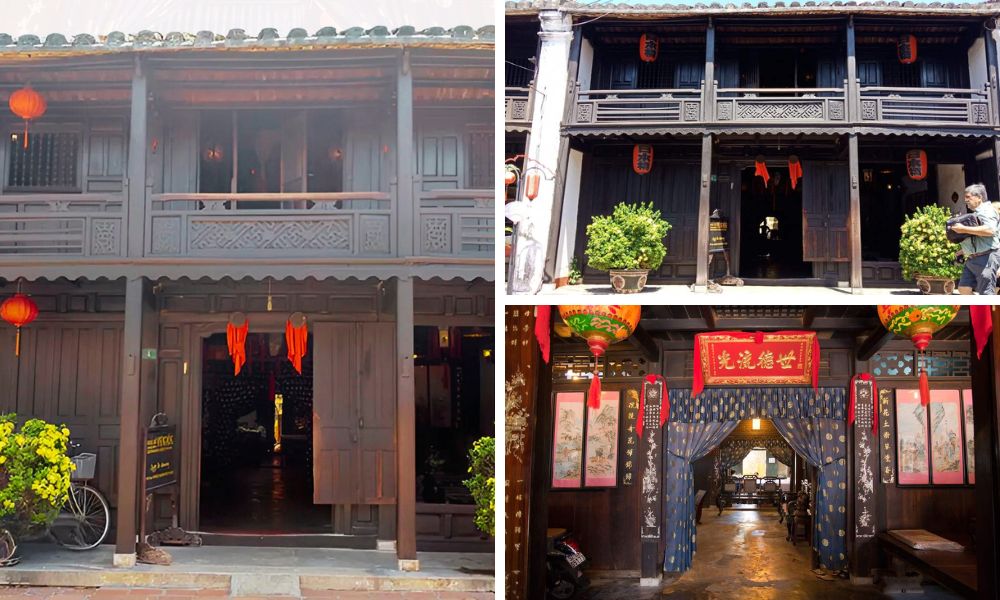
Figure 3. Phung Hung Ancient House
Duc An Ancient House – A space of culture and revolution
While the two aforementioned houses represent the merchant class, the Duc An Ancient House holds special cultural and revolutionary value. It was once a large bookstore and a repository of many important documents from the early 20th century.
The interior space is tranquil, with minimal ornate carvings, yet it contains a wealth of historical documents and images. Upon entering, you can clearly sense the academic atmosphere and patriotic spirit that once prevailed here.
Within the overall collection of ancient houses in Hoi An, Duc An stands as a testament to Hoi An’s role not only as a trading port but also as a center of intellectual exchange. This enriches the historical landscape of the ancient town.
Read detail: Duc An Ancient House – A witness to the patriotic spirit of the people of Quang Nam
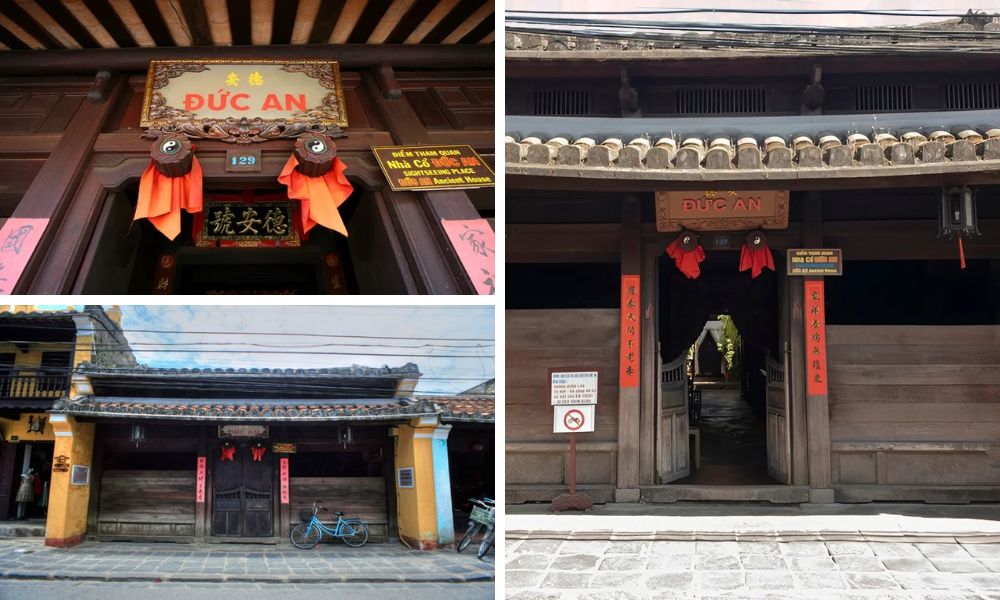
Figure 4. Duc An Ancient House
Quan Thang Ancient House – Strongly influenced by Chinese architecture.
The Quan Thang ancient house was built more than 300 years ago and is one of the famous ancient houses in Hoi An with strong influences of Chinese architecture.
The carvings on the columns, beams, and wooden doors showcase exquisite craftsmanship. The dragon, phoenix, and floral motifs carry distinct feng shui meanings. Compared to other houses, Quan Thang gives a more dignified and elaborate feel.
A notable feature is the remarkably well-preserved wooden interior. The traditional load-bearing frame structure remains intact, showcasing the high level of craftsmanship of the artisans of the past. This house is ideal for those who want to delve deeper into the influence of Chinese culture on Hoi An architecture.
Read detail: Quan Thang Ancient House: A masterpiece of architecture over 300 years old in Hoi An.
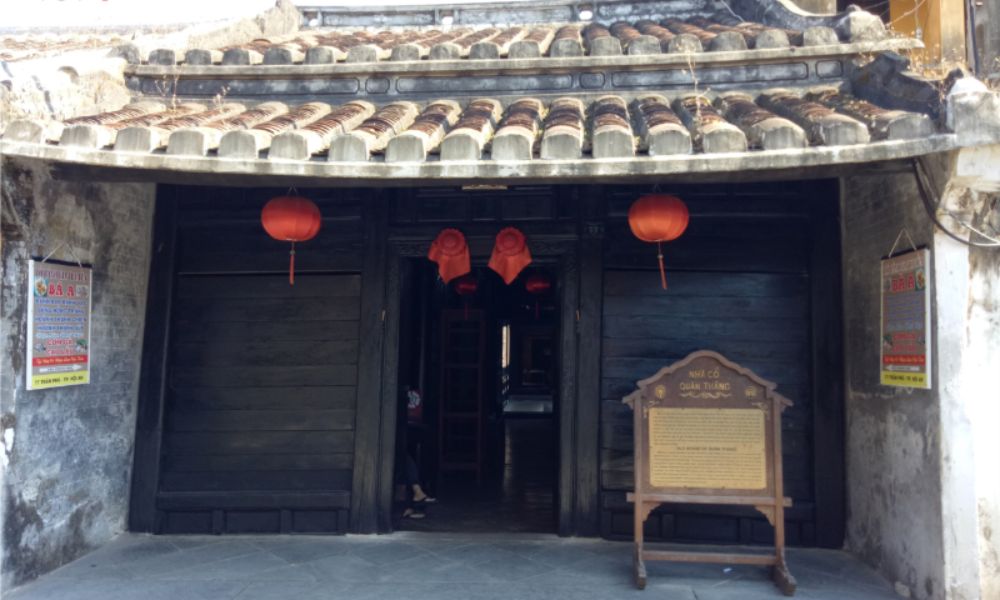
Figure 5. Quan Thang Old House
Diep Dong Nguyen Ancient House – Original architecture of a former merchant’s house.
Among the list of ancient houses in Hoi An, Diep Dong Nguyen offers a more intimate glimpse into the living spaces of ancient merchants.
The house layout still follows a traditional model with a commercial storefront and family living space at the back. The wooden interior, cabinets, and arrangement retain many original elements. Upon closer observation, you can clearly see the way a multi-generational trading family organized their lives.
While not as famous as Tan Ky or Phung Hung, Diep Dong Nguyen helps viewers gain a deeper understanding of the daily life of the ancient town’s residents. It’s an important piece in completing the overall picture of the ancient houses in Hoi An.

Figure 6. Diep Dong Nguyen Ancient House
Overall, these five houses not only represent the architecture but also reflect the different social classes of ancient Hoi An. If you want to truly understand Hoi An’s ancient houses instead of just taking photos for social media, spending time exploring each space in depth will provide a much more valuable and memorable experience.
After spending time exploring the typical ancient houses and understanding the structure, lifestyle, and cultural depth of Hoi An, many tourists want to continue experiencing “living in the heritage space” instead of just visiting and leaving. A very worthwhile option is to dine at Chau Kitchen & Bar – one of the best restaurant in Hoi An, highly rated by international tourists.
Chau is not simply a modern restaurant located in the old town, but is situated within a more than 100-year-old house, where the wooden architecture, yellow walls, and warm lighting retain the original spirit of Hoi An. The spacious and flexible layout makes it suitable for solo diners, couples, and large groups, while also offering romantic seating areas with street views at night.
In terms of cuisine, Chau stands out as an Asian-European fusion restaurant, where Western techniques are subtly combined with Eastern inspiration and local ingredients Iron Beefsteak Hoi An – renowned for its premium beef cooked on a sizzling hot cast-iron pan, resulting in tender, juicy, and flavorful meats, this restaurant is a highlight that keeps many diners coming back. In addition, the diverse menu features pasta, seafood, salads, and modern adaptations of Hoi An dishes, creating a balance between familiar and innovative.
If during the day you explore the ancient houses to understand the history of the trading port, then in the evening at Chau, you experience the heritage on a deeper level: sitting in a century-old space, enjoying Asian-European fusion cuisine, and watching the old town transform as the lights come on. It’s not just a meal, but a natural continuation of the journey of discovering Hoi An’s ancient houses.
- Address: 141 Tran Phu, Minh An Ward, Hoi An Ancient Town
- Phone: 0903529377
- Opening hours: 08:30 – 22:30
- Website: https://chaukitchenandbar.vn/en/homepage/
- Facebook: https://www.facebook.com/Chaukitchenhoian
- You can book a table directly through the website: Reservation
- Rating on Google Map: 4.8/5.0
- TripAdvisor Rating: 4.8/5.0
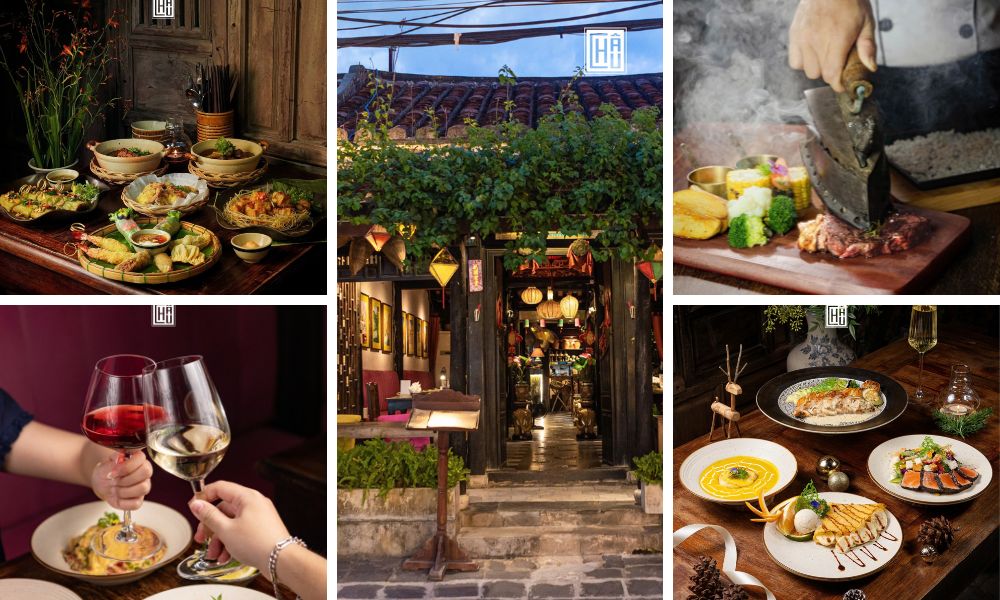
Figure 7. Chau Kitchen & Bar – one of the best restaurants in Hoi An, highly rated by international tourists.
Comparing the ancient houses in Hoi An – Which one should you visit?
When searching for ancient houses in Hoi An, the most practical question tourists often ask is: which house should I choose if I don’t have much time? Each house has its own story, but not everyone has the time to visit them all. Therefore, instead of listing them, this section will analyze them based on practical needs to help you make an informed decision.
Practical experience shows that the value of an old house lies not only in its age but also in what you are looking for. The architecture, history, or original living space will determine the right choice.
If I only have 1 to 2 hours, which house should I choose?
If time is limited, you should choose a famous Hoi An ancient house that has combined architectural and historical value. The safest and most typical choice is Tan Ky Ancient House.
The reason is clear. This house best represents the traditional merchant house model with its tube-shaped structure, skylight, traditional wooden frame, and solemn worship space. When visiting, you can understand almost all the common characteristics of ancient houses in Hoi An in just one stop.
Furthermore, its central location and almost perfectly preserved state make it easy to access information. If you go quickly, about 30 to 40 minutes is enough to grasp the core spirit of Hoi An’s ancient house architecture.
If you have more time, you can also visit Phung Hung Ancient House as it’s relatively close and has a more distinctive architectural style.
If you appreciate exquisite wooden architecture, which house should you choose?
For those deeply interested in traditional construction techniques, especially timber framing and carving art, Quan Thang Ancient House is a highly recommended choice.
Here, the carvings on the columns, beams, and wooden doors clearly show the influence of Chinese architecture with a high degree of sophistication. Details of dragons, phoenixes, and feng shui symbols are meticulously depicted. The wooden structure has remained almost entirely original after more than three centuries, reflecting the level of craftsmanship of that time.
Compared to other ancient houses in Hoi An, Quan Thang has a more formal and ornate feel. Meanwhile, Tan Ky demonstrates a balanced blend of cultural influences. Therefore, if you prioritize pure architecture and exquisite wood details, Quan Thang will offer a more in-depth experience.
If you’re interested in history, which famous ancient houses in Hoi An should you visit?
If you’re looking for historical depth rather than just architecture, Duc An Ancient House is a place worth visiting.
This space was once a bookstore and a repository of documents related to the patriotic movement of the early 20th century. Compared to other famous ancient houses in Hoi An that are more focused on commerce, Duc An reflects a different aspect of life in the old town: intellectual and ideological life.
When you visit, you’ll not only see the wooden structure or traditional layout, but also feel the academic atmosphere and revolutionary spirit that once existed within this space. This creates a historical depth that not every house possesses.
Summary of choices based on actual needs
If you have limited time and want a general overview of Hoi An’s old houses, choose Tan Ky Old House.
If you appreciate wooden architecture, intricate carvings, and strong Chinese cultural influences, Quan Thang Ancient House would be a better fit.
If you are interested in history and documentary value, Duc An Ancient House offers a unique experience.
The ancient houses in Hoi An are all worth visiting, but their value is best appreciated when you choose according to your personal goals. Instead of trying to see as many as possible, choose one or two representative sites and spend time observing them carefully. Once you understand the architectural essence and history, you will see the entire ancient town from a deeper perspective. From that foundation, you can easily expand your itinerary to other places famous tourist attractions in Hoi An other options provide a comprehensive view of the ancient city and its surroundings.
Are tickets to visit Hoi An ancient houses required?
If you’re researching before visiting Hoi An and wondering whether you need to buy tickets to visit the ancient houses, the answer depends on how you want to experience the old town. If you just want to stroll around, take photos from the outside, and enjoy the atmosphere, you don’t need to buy a ticket. But if you want to step inside the ancient houses in Hoi An, see the centuries-old wooden structures firsthand, and hear the family stories passed down through generations, then an entrance ticket is necessary.
Understanding the correct ticket system will help you be more proactive in planning your itinerary and avoid feeling uncertain upon arrival.
What is included in the Old Town entrance ticket?
The Hoi An Old Town entrance ticket is not an “entry” ticket to the town itself. You can freely walk around the heritage area without showing a ticket. However, the ticket is required to enter officially managed historical sites such as old houses, assembly halls, museums, and some cultural buildings.
A standard ticket allows you to choose to visit a maximum of 3 sites from the list of historical sites managed by the city. This means that if you want to see inside famous Hoi An ancient houses such as Tan Ky, Phung Hung, or Duc An, you will use the corresponding vouchers in that ticket set.
In reality, if you truly want to understand the architectural and historical value rather than just taking photos of the facade, buying a ticket is absolutely worthwhile.
Which Hoi An ancient houses are included in the tour package?
Most of Hoi An’s iconic ancient houses are included in the official tour route. When purchasing a ticket, you can choose to visit places such as Tan Ky Ancient House, Phung Hung Ancient House, Duc An Ancient House, or several other assembly halls and museums in the old town.
Not all houses in the Old Town are subject to the ticketing system, as many are still ordinary residential houses. However, the old houses in Hoi An that are recognized as historical relics and open to visitors are included in the ticketing system.
Therefore, before entering, you should clearly determine which houses you want to prioritize visiting in order to use your tickets most effectively.
Current entrance ticket prices
Currently, entrance fees to the Old Quarter are divided according to visitor categories.
- Vietnamese tourists pay approximately 80,000 VND per person for a tour.
- International tourists pay approximately 120,000 VND per person for a tour.
Each ticket allows entry to a maximum of 3 listed historical sites (including the ancient houses of Hoi An). Tickets are valid for one day and are usually purchased directly at ticket counters around the Old Town area.
Compared to the architectural and historical value you gain inside the ancient houses of Hoi An, this price is considered reasonable, especially if you are truly interested in the cultural depth rather than just the surface.
If you want to expand that in-depth experience into the culinary field, consider this reference Official List of Hoi An Restaurant Michelin. This will help you choose high-quality dinner locations after a day of exploring heritage sites.
Things to note when visiting the ancient houses in Hoi An.
The first important thing is to keep your ticket safe throughout your visit, as each attraction will collect a separate ticket from the set.
Secondly, many old houses are still inhabited. The spaces for worship and family life should be respected. Avoid speaking too loudly or touching artifacts without permission.
Thirdly, it’s best to visit in the morning or early afternoon when it’s not too crowded. The space in the old house isn’t very large, and if it’s too crowded, it will be difficult to appreciate its characteristic tranquility.
Finally, don’t try to visit all five sites just because you’ve bought tickets. Instead, choose two or three representative sites and take your time to carefully observe each detail. This slow pace will help you better understand the true value of the ancient houses in Hoi An.
From an experiential perspective, the entrance ticket is not just an expense, but the key to entering a space steeped in over two centuries of history. Passing by, you’ll see the ancient facades. But only when you step inside the ancient houses of Hoi An do you truly feel the soul of the old town.
Experience visiting the ancient houses in Hoi An.
When searching for information on visiting the ancient houses in Hoi An, what readers really want to know is not just where to go, but how to fully appreciate the value of the heritage. Hoi An’s ancient houses are not just simple photo spots. These are spaces over two hundred years old, many still inhabited, maintaining traditional worship practices and architectural styles.
Therefore, to make your visit truly meaningful, you need to understand the best time to go, photography regulations, proper conduct within the heritage site, and how to combine your itinerary effectively.
The best time to visit
The ideal time to visit the ancient houses in Hoi An is in the morning from around 8 am to 10 am or in the afternoon after 3 pm.
In the morning, natural light shines obliquely through the tiled roof and skylights, creating distinctive patches of light and shadow. The air is still cool and the crowds aren’t too large, allowing you to carefully observe every detail of the wood and the carved patterns without the hustle and bustle. Many tourists choose to combine this time with their search for Top 5+ Hoi An Ao Dai Rental Shops with the Widest Selection to capture photos with a strong traditional feel amidst the setting of an old house.
Late afternoon brings a different feeling. The golden sunlight reflects off the antique walls and brick floor, creating a tranquil atmosphere. This is also the ideal time if you want to take photos with soft, natural light. It’s perfect for a visit Hoi An rooftop cafes, where you can admire the panoramic view of moss-covered tiled roofs from above and feel the interplay between past and present, or you can take photos from above to capture the entire view of Hoi An ancient town.
Avoid visiting during midday or late evening hours when it’s crowded; the interiors of Hoi An’s old houses, which are already small, will feel cramped, making it difficult to experience the characteristic tranquility.
Regulations for taking photos inside ancient houses in Hoi An.
Most of the old houses in Hoi An allow photography, but there are some areas where caution is needed.
The altar is usually placed in a prominent location. Some families require that no direct photos of the altar be taken or that the use of flash be limited. This is not only a rule but also a sign of respect for family traditions.
When taking photos inside the old houses in Hoi An, avoid posing in an inappropriate way or obstructing the common pathways. Many houses are still inhabited, so it’s important to avoid invading people’s privacy.
If you want to take professional photos or shoot a long video, you should ask the staff or homeowner beforehand. This small courtesy often creates a good impression and sometimes you might even get to hear interesting stories about the house.
Behavior in heritage spaces
The most important thing when visiting the ancient houses of Hoi An is to remember that this is not a sterile museum, but a living heritage.
Please refrain from speaking too loudly as the enclosed wooden space has high echo. Avoid touching antique wooden artifacts or climbing into areas not intended for visitors. Wooden details that have existed for hundreds of years are very sensitive to physical impact.
Maintain a respectful attitude towards the family living in the house. Many famous old houses in Hoi An have been passed down through generations, so you are entering a space with a genuine family history.
Walking slowly, observing carefully, and listening to the explanations will help you better understand the architectural value and historical context, instead of just skimming through the sights.
The old house should be combined with a nearby landmark.
To optimize your experience, you should combine visiting the ancient houses in Hoi An with other nearby historical sites along the same walking route.
After visiting Tan Ky or Phung Hung Old Houses, you can stop by the Japanese Bridge as they are very close and located in the city center. This combination will help you understand more about the Japanese influence in Hoi An’s history.
You can also visit the Chinese assembly halls to compare the communal architecture with the family-style architecture in Hoi An’s old houses. The differences between the merchant spaces and the assembly hall spaces will help you better understand the multi-layered cultural landscape of the old town.
For a more relaxed experience, after visiting the old houses, you can sit at a cafe overlooking the old town to observe the current pace of life. There, you will clearly see the interplay between the past and the present, between ancient architecture and modern life. Besides architecture and history, the experience Hoi An food even staying in the old town is a way to better understand the rhythm of life in the old trading port through the flavors and daily habits of the local residents.
Visiting the ancient houses in Hoi An is not just a journey of architectural discovery, but an opportunity to step into a historical space still imbued with human spirit. When you visit at the right time, behave appropriately, and combine it well with your itinerary, you will feel the depth of culture that external photographs can hardly convey.
The ancient houses of Hoi An – The soul of the old town.
When exploring the ancient houses of Hoi An, many initially imagine only the two-hundred-year-old wooden houses lining sun-drenched streets. But after actually stepping inside, observing each wooden column, each altar, and listening to the family stories passed down through generations, you’ll realize that Hoi An’s ancient houses are not simply tourist attractions. They are the very soul of the ancient town.
The ancient houses in Hoi An are a clear testament to a once bustling trading port, one of the most prosperous in Southeast Asia. From the 17th to the 19th centuries, it was an international trading hub, where Vietnamese, Chinese, Japanese, and Western merchants met to exchange goods and culture. Each house not only reflects the life of a family but also records the history of a prosperous period. By looking at the structure of the commercial facade and the living space behind, you can clearly imagine how merchants of that era operated. That prosperity is not only reflected in the architecture but also in the Hoi An cuisine, this area has been strongly influenced by the merchant communities that once lived and traded here.
Hoi An’s ancient houses are also a testament to a rare blend of cultural architecture. Within the same space, you can see the traditional Vietnamese wooden frame, exquisite carvings influenced by Chinese architecture, and structural elements reminiscent of Japanese architecture. This blend is not disjointed but has been refined over generations of coexisting residents, creating a unique identity that is hard to find anywhere else.
Today, that spirit of trade and cultural exchange continues through large-scale events in the Central region such as Da Nang International Fireworks Festival 2026 – DIFF 2026, where many tourists choose to combine visits to both Hoi An and Da Nang in the same trip.
What is most special about the ancient houses in Hoi An is that they remain living heritage. Many of Hoi An’s famous ancient houses are still inhabited and preserved by descendants of the original families. The worship spaces are still maintained, the wooden furniture is cleaned daily, and family stories continue to be shared with visitors. It is this human element that prevents Hoi An’s ancient houses from becoming sterile museums, instead creating spaces imbued with life and memories.
If you have the chance to visit Hoi An, don’t just stroll around and take photos from the outside. Take the time to step inside at least one of Hoi An’s famous ancient houses, sit for a few minutes in the atrium, observe the light shining through the tiled roof, and feel the scent of old wood in the tranquil space. Then you’ll understand why the ancient houses in Hoi An are not just architectural structures, but the very soul that has helped the old town preserve its identity for hundreds of years.
Understanding that value, you will no longer see Hoi An’s ancient houses as just a brief stopover, but as a gateway to the past, where the history of the trading port, cultural exchange, and family life still coexist in the heart of the ancient town today.

Last updated: 11/03/2026 04:25


